 Phone: 407-214-2646
 info@bestwaterheater.com
Phone: 407-214-2646
info@bestwaterheater.com
info@bestwaterheater.com
Phone: 407-214-2646
info@bestwaterheater.com
 Phone: 407-214-2646
info@bestwaterheater.com
Phone: 407-214-2646
info@bestwaterheater.com

Including filter system and high-performance PCBs filter.


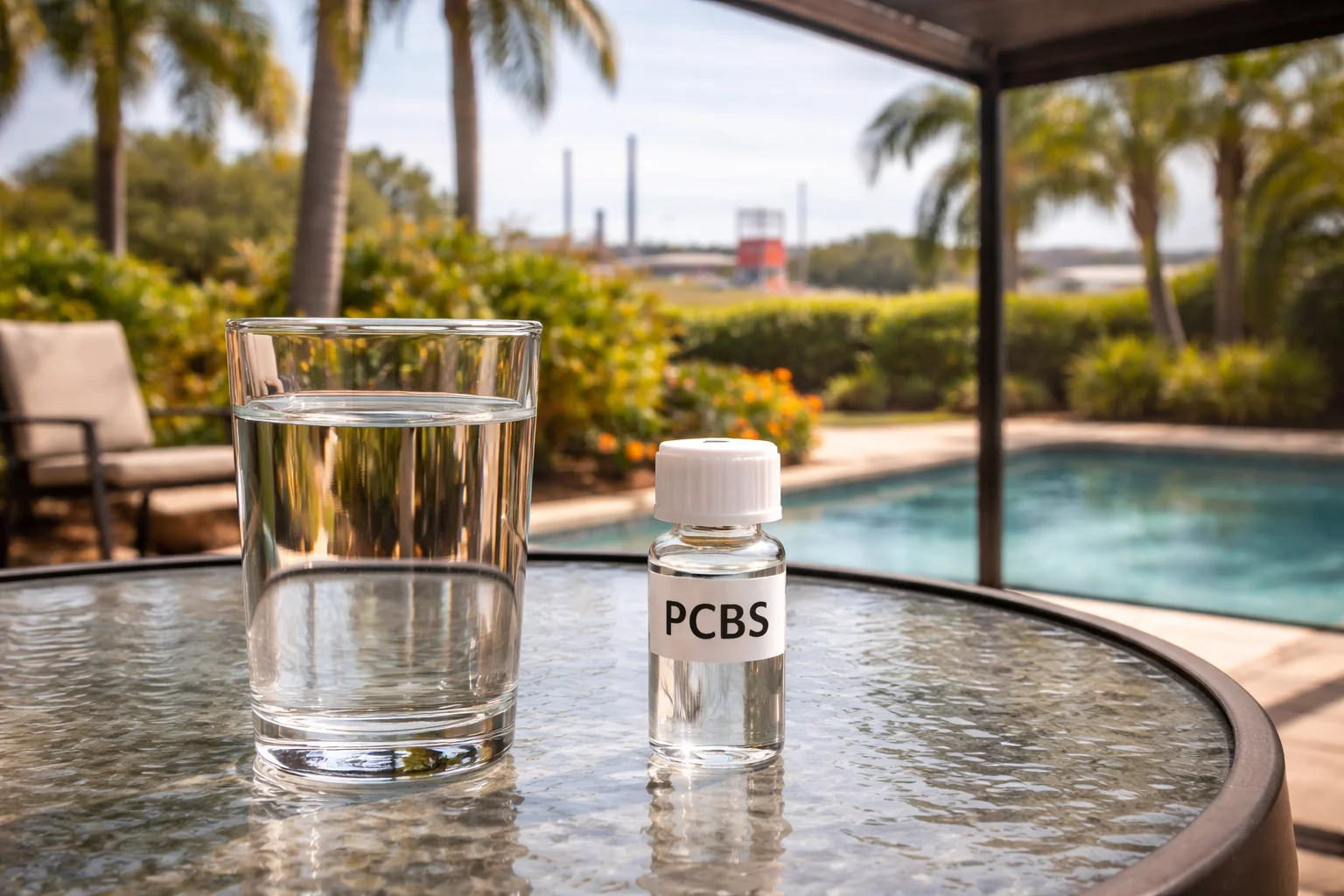
PCBs are industrial chemicals that persist in the environment and sometimes turn up in water supplies; they’re also called polychlorinated biphenyls. Historically used in electrical equipment and certain industrial processes, these compounds don’t break down easily and can remain in sediments and waterways. Local homeowners in Lockhart often first hear about them through utility reports, neighborhood conversations, or private testing when they’re researching ways to protect family water.
Because PCBs are usually present at very low concentrations, you won’t detect them by sight, smell, or taste in tap water. They can reach drinking water through legacy contamination, runoff, or disturbed sediments, so even clear-looking water in a Lockhart household can raise questions about long-term exposure. Choosing a whole-house strategy treats the water used for cooking, bathing, laundry and every faucet in your home rather than relying on a single point-of-use device.
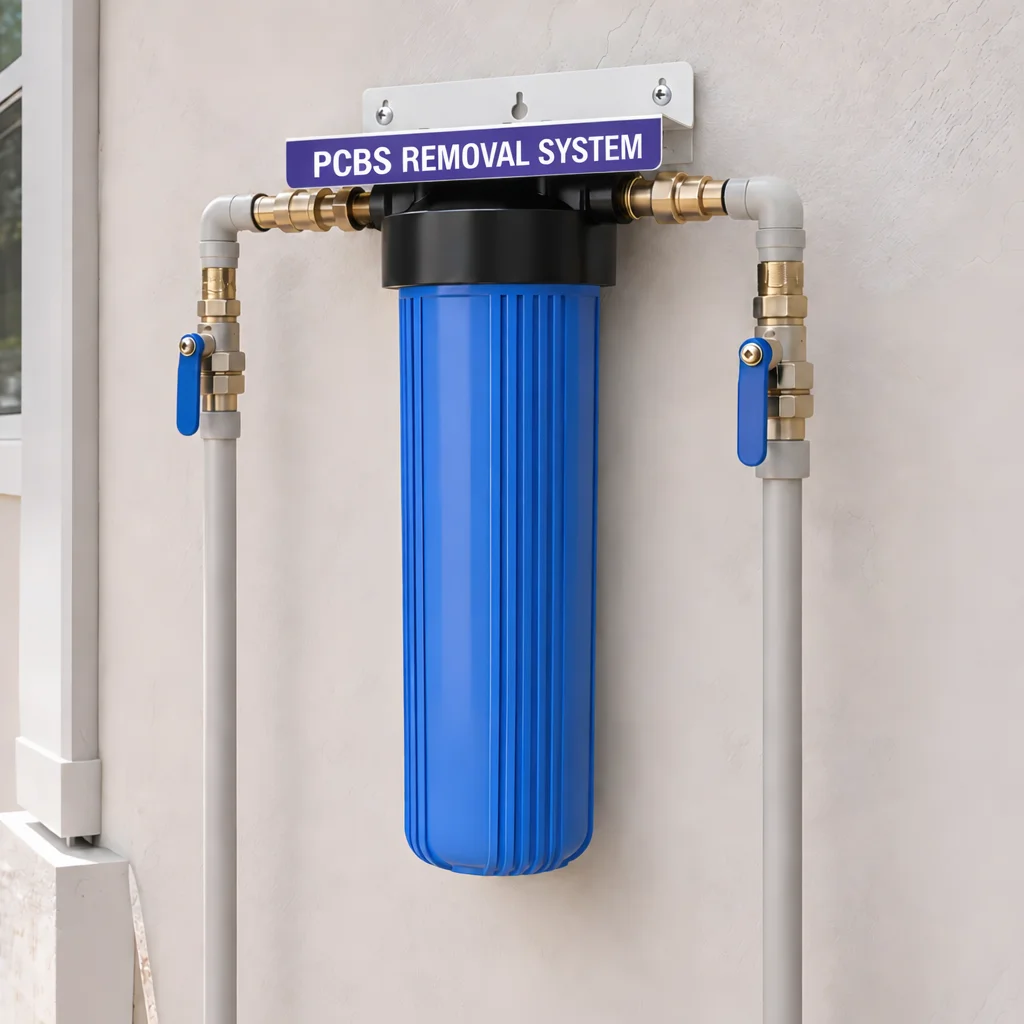
The most effective single-filter option for whole-house PCB reduction is a high-quality activated carbon filter—typically carbon block or catalytic carbon media that adsorbs these hydrophobic compounds. PCBs bind well to carbon rather than being removed by basic sediment screens, so as household water moves through the carbon bed, polychlorinated biphenyls can adhere to the media and be reduced before reaching your taps. A whole-house carbon system also helps lower other organic contaminants that travel with similar sources.
To work reliably in a Lockhart home—where municipal and well supplies are commonly hard—you need the right carbon contact time and sufficient media volume for peak flow rates. Sediment pre-filters are usually installed ahead of the carbon to prevent premature clogging, while the carbon stage does the primary PCB removal. Routine media replacement and correct sizing are essential because adsorption capacity is finite; Mr. Pure Water can size and install a whole-house carbon system matched to your home to address PCBs at the water entry point.
 407-214-2646
 info@bestwaterheater.com

