 Phone: 850-772-1365
 info@bestwaterheater.com
Phone: 850-772-1365
info@bestwaterheater.com
info@bestwaterheater.com
Phone: 850-772-1365
info@bestwaterheater.com
 Phone: 850-772-1365
info@bestwaterheater.com
Phone: 850-772-1365
info@bestwaterheater.com

Including filter system and high-performance PCBs filter.


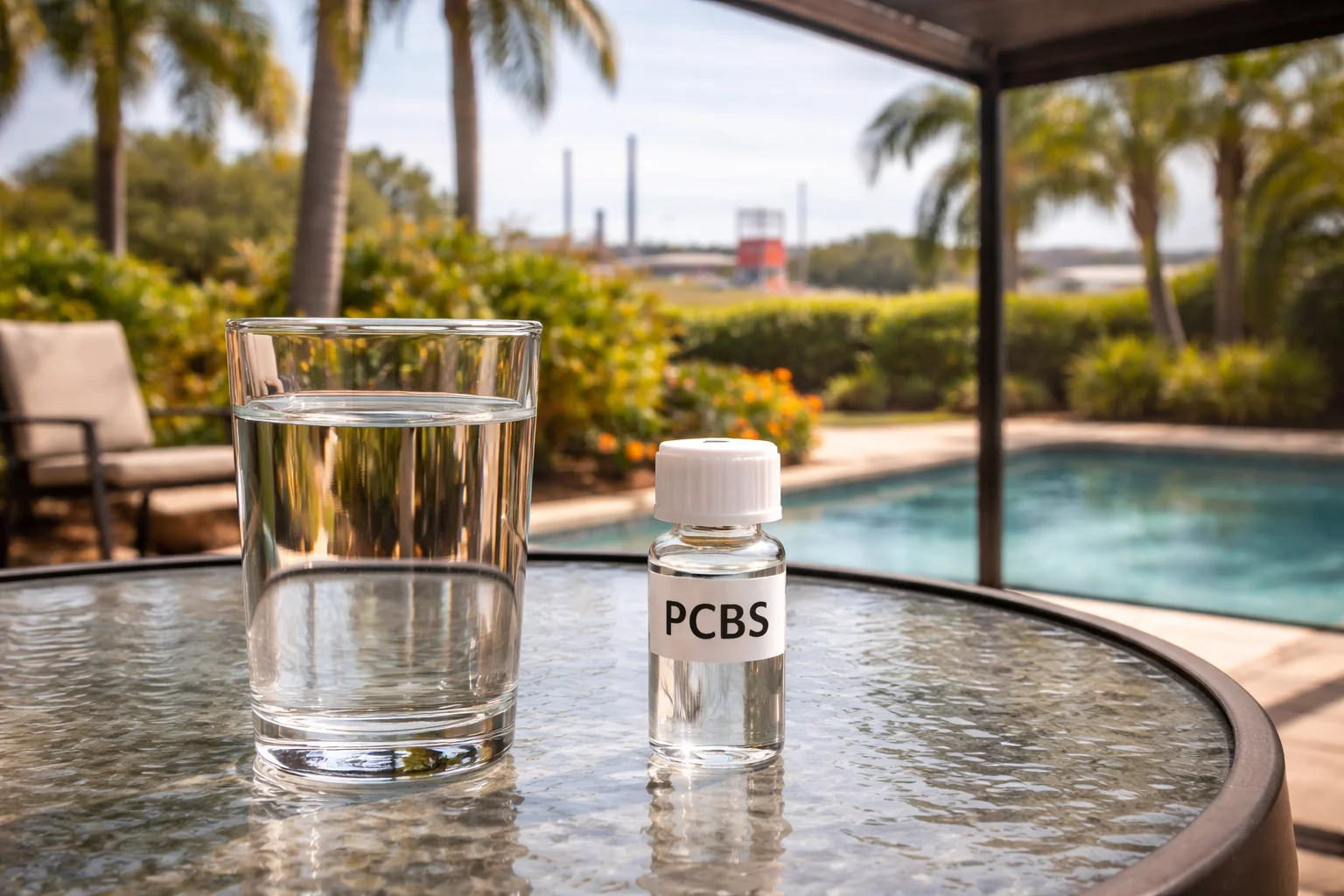
PCBs are a group of industrial chemicals that persist in the environment and can sometimes make their way into water supplies. Also called polychlorinated biphenyls, they were commonly used in older electrical gear and certain manufacturing processes. Once PCBs enter rivers, lakes, or groundwater, they don’t break down easily and can linger at low concentrations for long periods. Mulat homeowners typically hear about them through local utility notices, community conversations, or private water testing.
Because PCBs are usually found at very low levels, you won’t detect them by sight, smell, or taste in tap water. They reach drinking supplies through legacy contamination, runoff, or disturbance of sediments in surface waters, and that means even clear-looking water can carry risk for long-term exposure. In Mulat, taking a whole-house perspective protects water used across your home — for cooking, bathing, laundry and all daily routines — not just at a single faucet.
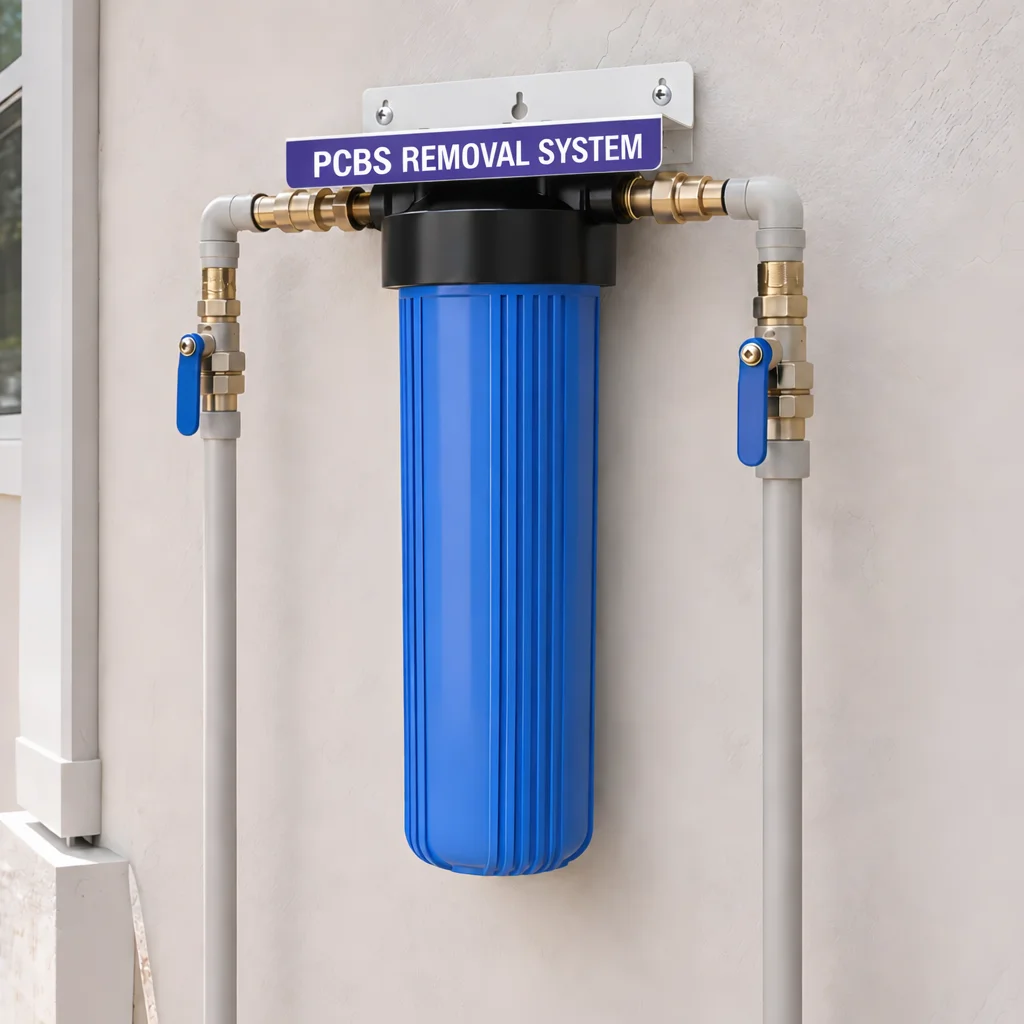
The best single-filter solution for whole-house PCB removal is a quality activated carbon system, typically using catalytic carbon or carbon block media engineered for strong adsorption. Because PCBs are hydrophobic organic compounds, they’re more effectively captured by carbon media than by basic sediment filters. As your household water moves through the carbon bed, polychlorinated biphenyls adhere to the carbon surface and are reduced before water reaches pipes and fixtures, while also cutting many other organic contaminants that travel on similar pathways.
An activated carbon system performs best when it’s sized for your home’s flow so water has enough contact time with the media; the right media volume prevents breakthrough during peak use. It’s common to add a sediment pre-filter to protect the carbon stage from clogging, but the carbon is the primary treatment for PCBs. Routine media or cartridge changes are necessary because adsorption capacity is finite, and Mr. Pure Water can help Mulat homeowners choose and size a whole-house carbon system to treat incoming water at the main shutoff.
 850-772-1365
 info@bestwaterheater.com

