 Phone: 850-772-1365
 info@bestwaterheater.com
Phone: 850-772-1365
info@bestwaterheater.com
info@bestwaterheater.com
Phone: 850-772-1365
info@bestwaterheater.com
 Phone: 850-772-1365
info@bestwaterheater.com
Phone: 850-772-1365
info@bestwaterheater.com

Including filter system and high-performance Personal Care Products filter.


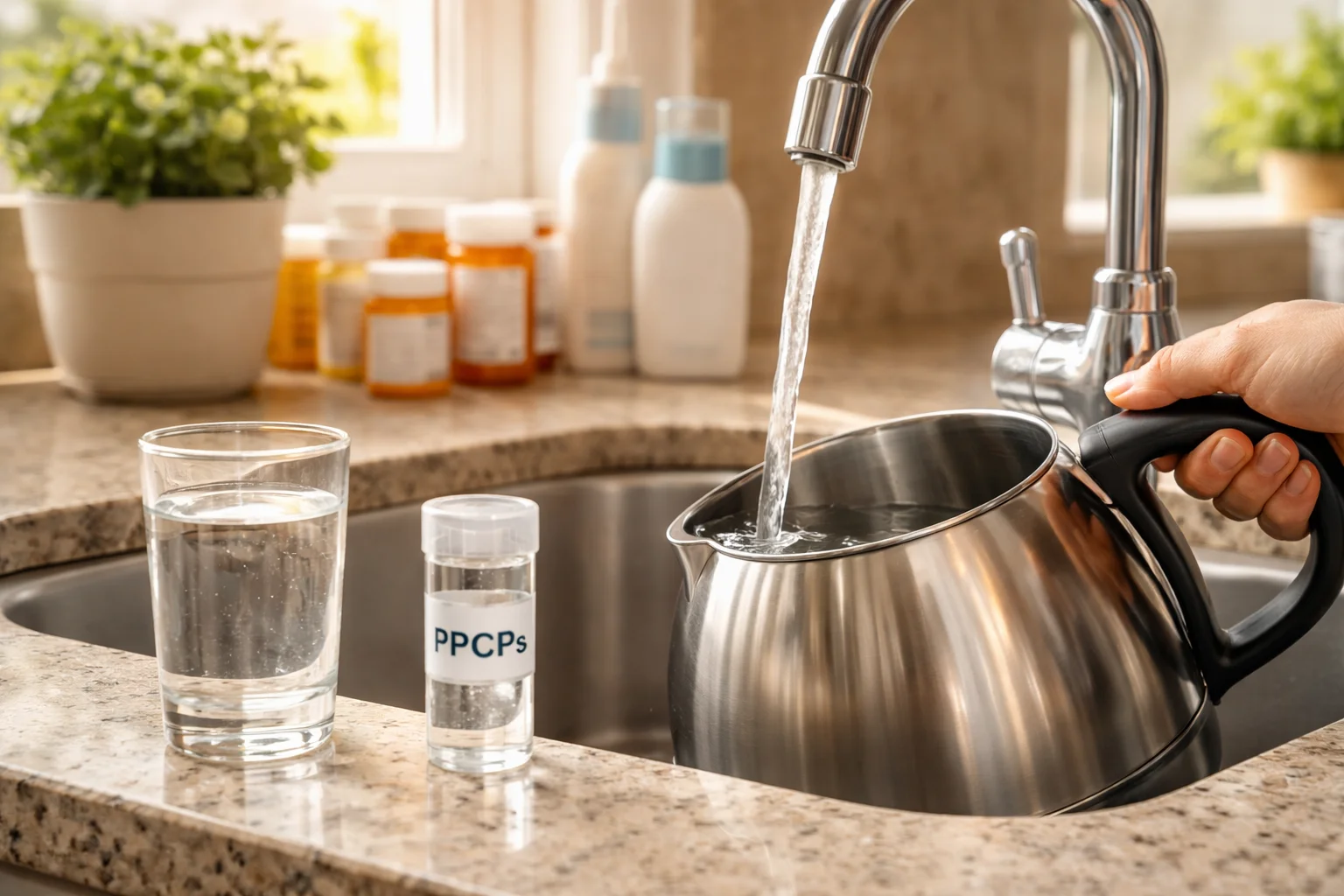
Everyday use and disposal of grooming and beauty items can leave trace ingredients that eventually enter the water cycle. Personal care products cover residues from soaps, shampoos, lotions, deodorants, fragrances and cosmetics, plus related consumer chemicals commonly called PPCPs. You might not detect these compounds by taste or smell, but many Redbay homeowners choose to limit their presence in water used for bathing, laundry and cooking as a precaution.
Because personal care products span many different chemistries, they interact with water in different ways — some dissolve readily, others cling to particles, and some degrade only slowly. That variability can lead to intermittent occurrences depending on where water comes from and how it’s treated. For people in Redbay who want more consistent water across every faucet and shower, treating at the point of entry helps reduce day-to-day exposure to these PPCPs throughout the whole house.
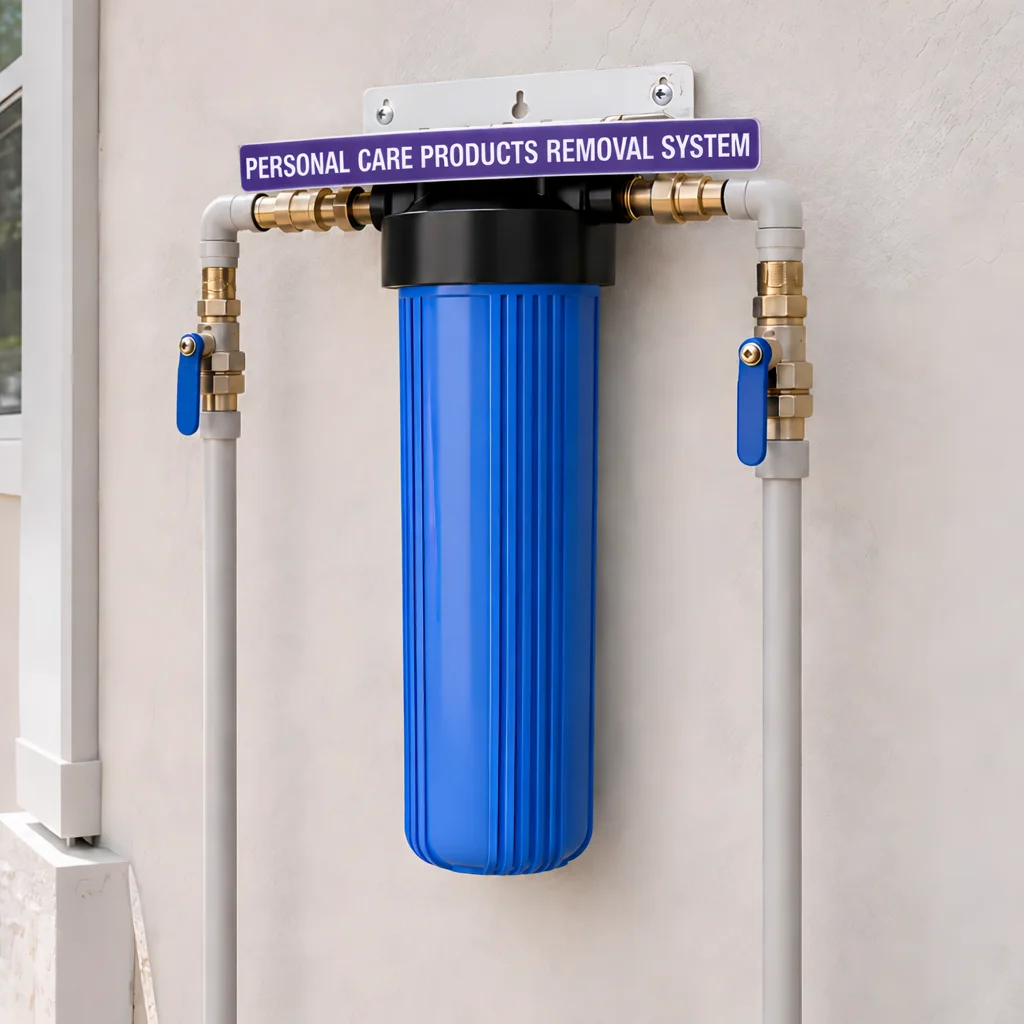
For reducing most personal care product ingredients, the most effective single-filter choice is a whole-house activated carbon system sized to handle full-home flow. Activated carbon adsorbs a wide range of organic compounds found in personal care products and PPCPs. Because these contaminants are usually present at very low concentrations, it’s important to provide adequate contact time with the carbon while maintaining strong flow — which is why a properly sized, high-capacity carbon tank is generally preferred over small cartridge-style filters for whole-home use.
At Mr. Pure Water we design point-of-entry activated carbon systems to treat water as it enters your Redbay home, so reduction takes place before water reaches showers, sinks and appliances. This style of whole-house carbon filtration targets personal care products that sediment or basic filters won’t remove effectively. With the correct carbon media and proper sizing, you can improve overall water quality without changing how your household uses plumbing — a practical step if you’re concerned about PPCPs.
 850-772-1365
 info@bestwaterheater.com

