 Phone: 772-290-5223
 info@bestwaterheater.com
Phone: 772-290-5223
info@bestwaterheater.com
info@bestwaterheater.com
Phone: 772-290-5223
info@bestwaterheater.com
 Phone: 772-290-5223
info@bestwaterheater.com
Phone: 772-290-5223
info@bestwaterheater.com

Including filter system and high-performance Personal Care Products filter.


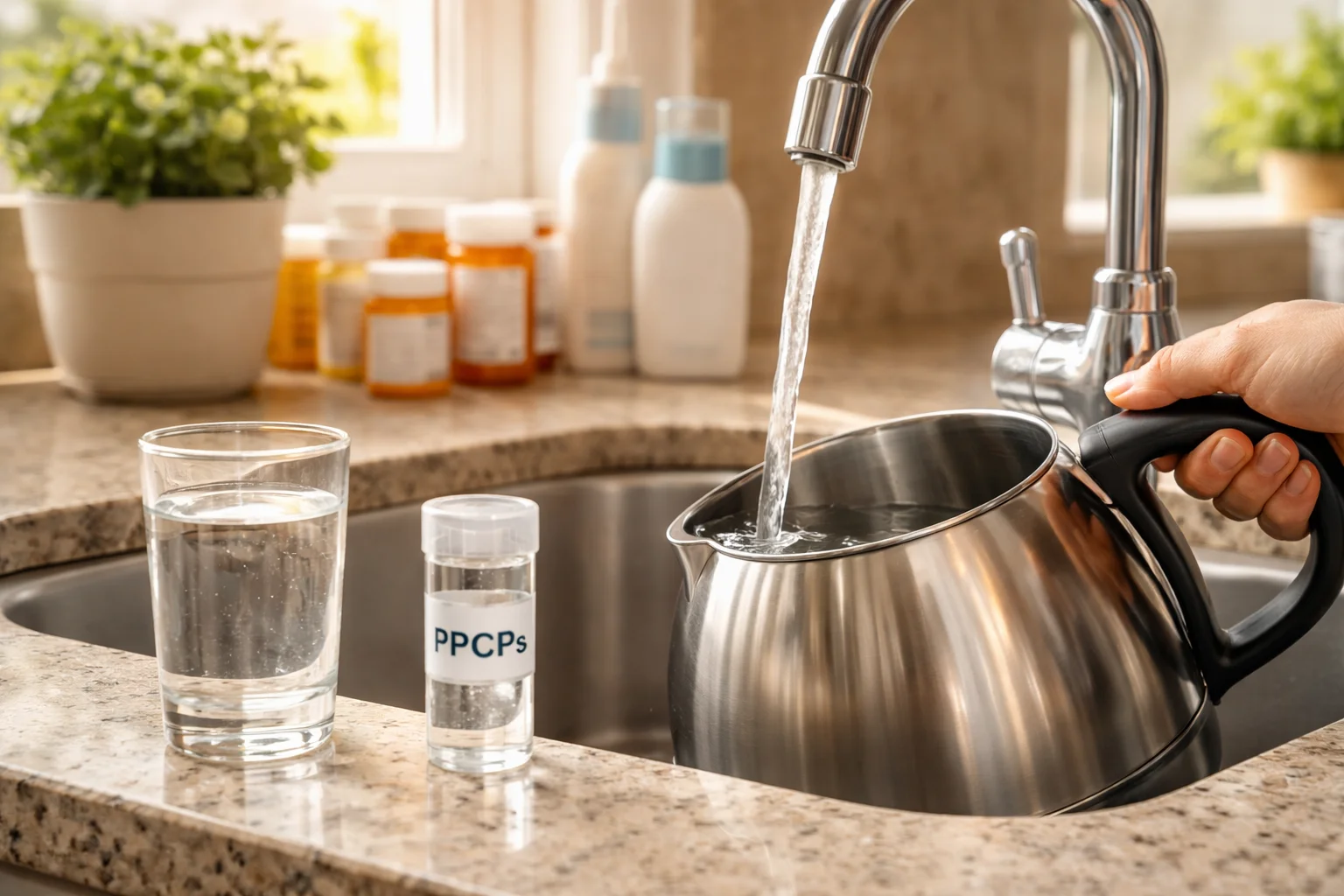
Everyday use and disposal of soaps, shampoos, lotions, deodorants, fragrances and cosmetics can leave trace ingredients that enter local water supplies. These personal care products — often called PPCPs — include a range of consumer chemicals that may persist at very low levels, even when you can’t taste or smell them. Many Whispering Pines homeowners prefer to minimize what’s in the water used for bathing, laundry and cooking, especially in our humid subtropical climate where water use is high and mineral-rich, hard groundwater is common.
Because personal care products come from many different formulas, they act differently once they’re in water: some dissolve readily, some attach to particles, and others degrade slowly. That variability — and changing upstream conditions or treatment — means these PPCPs can appear intermittently. For residents of Whispering Pines, treating water at the point of entry offers a steadier solution, helping limit daily exposure from every faucet and shower throughout your home.
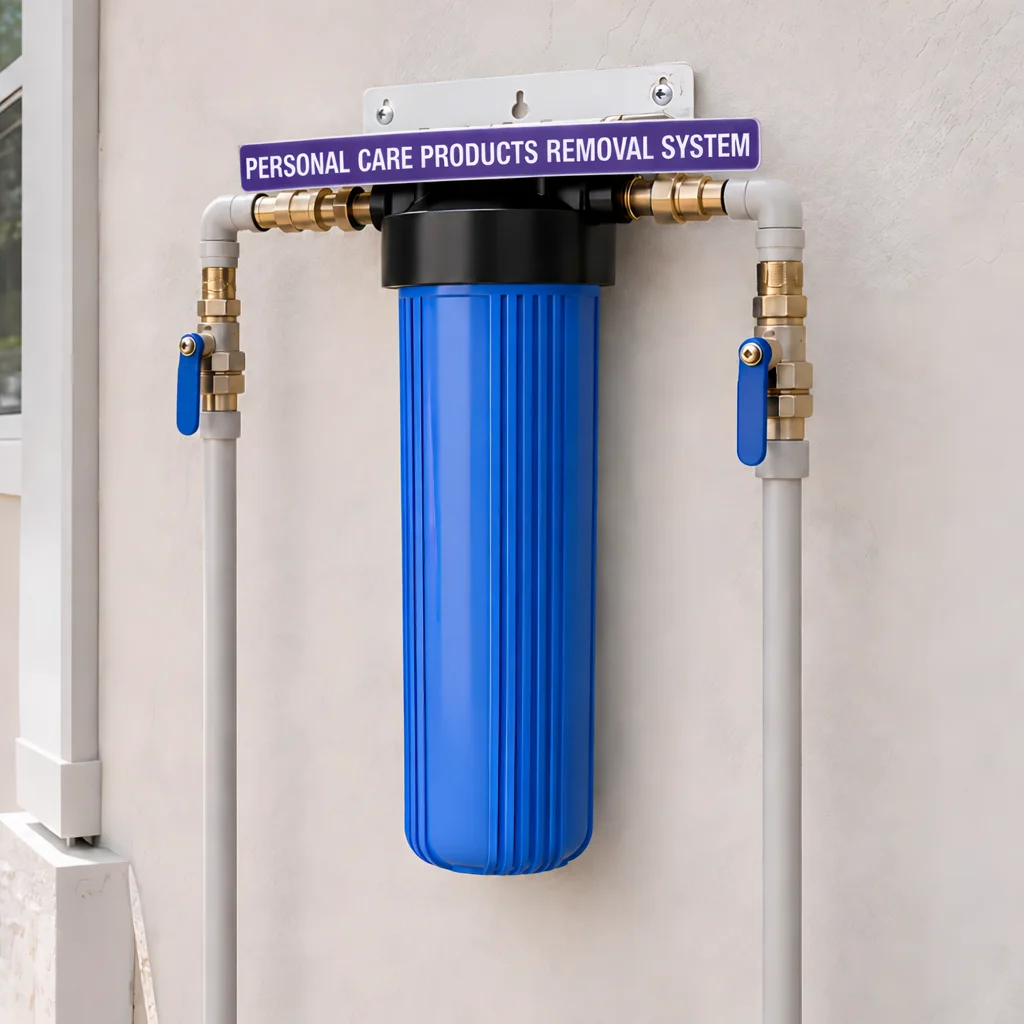
For most personal care products, the best single-filter option is a whole-house activated carbon system sized for full-home flow. Activated carbon adsorbs many organic ingredients found in personal care products and PPCPs, and because these contaminants are often at very low concentrations, the system needs sufficient contact time while maintaining good flow. A properly sized, high-capacity carbon tank is therefore usually more effective for whole-home treatment than small cartridge-style filters.
Mr. Pure Water installs whole-house carbon filtration that treats water as it enters your Whispering Pines home, so reduction happens before water reaches showers, sinks and appliances. This approach is better suited to handling personal care products than basic sediment filters alone. With the correct carbon media and sizing, you can improve overall water quality without altering daily plumbing use — a practical point-of-entry solution if you’re concerned about PPCPs in your household water.
 772-290-5223
 info@bestwaterheater.com

