 Phone: 305-404-8790
 info@bestwaterheater.com
Phone: 305-404-8790
info@bestwaterheater.com
info@bestwaterheater.com
Phone: 305-404-8790
info@bestwaterheater.com
 Phone: 305-404-8790
info@bestwaterheater.com
Phone: 305-404-8790
info@bestwaterheater.com

Including filter system and high-performance Petroleum Hydrocarbons filter.


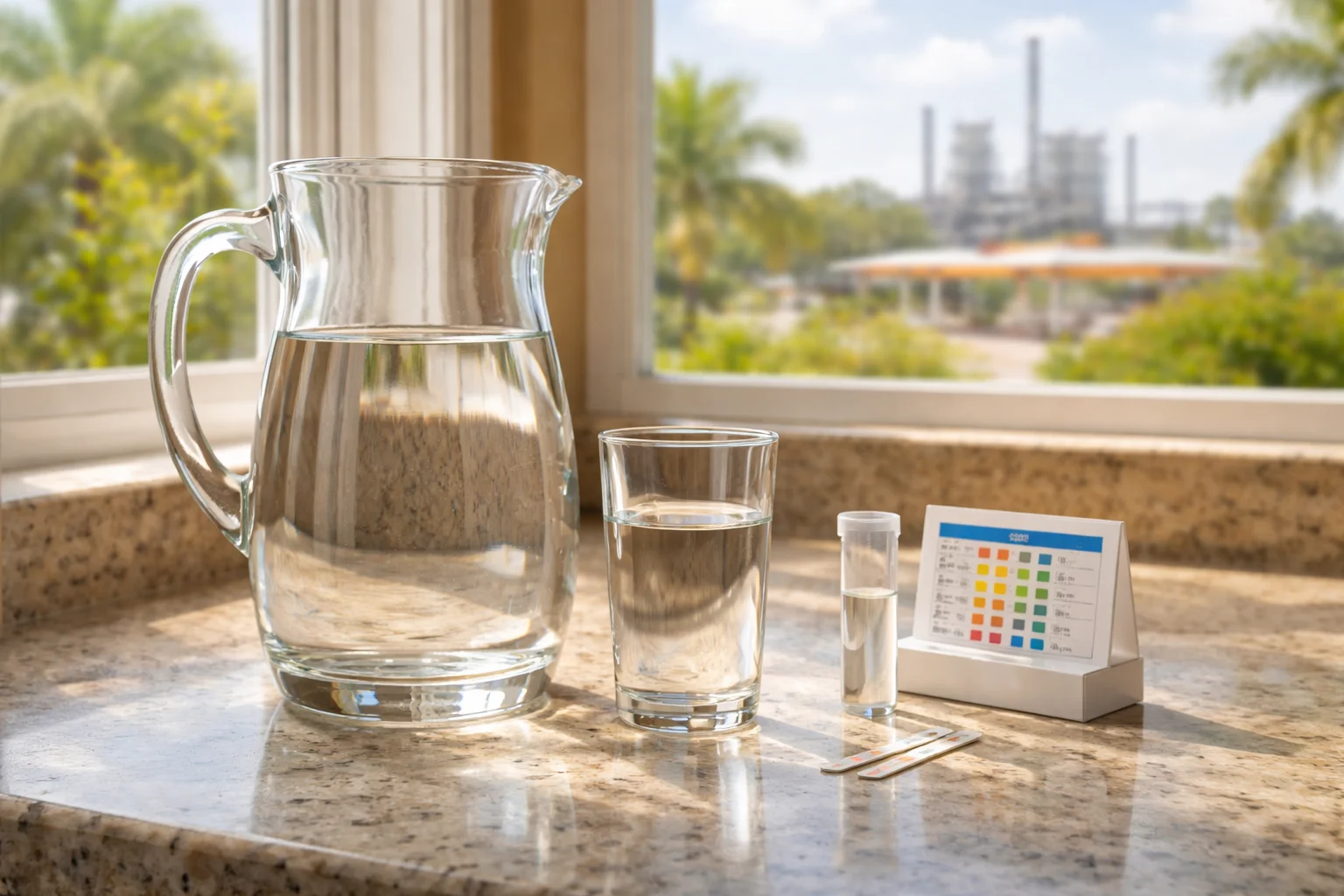
Petroleum hydrocarbons is a catch-all name for many fuel- and oil-related chemicals that can give water a gasoline-like, diesel-like, or oily taste and smell. Homeowners sometimes notice the scent more from hot water or after water has sat in pipes. These compounds can reach household plumbing from spills, leaks, runoff, or problems with groundwater and distribution systems, so the first step is finding the likely source and then choosing treatment designed for that group of contaminants.
Even if your Miami tap water looks clear, petroleum-related compounds can reduce the enjoyment and safety of drinking, cooking, and bathing. Persistent chemical or fuel-like odors at faucets, showers, or in appliances shouldn’t be ignored — professional testing can confirm what’s present. Some petroleum hydrocarbons are highly volatile and immediately noticeable, while others are subtler; treating the whole house ensures every bathroom, laundry, and kitchen tap is covered rather than relying on a single point-of-use filter.
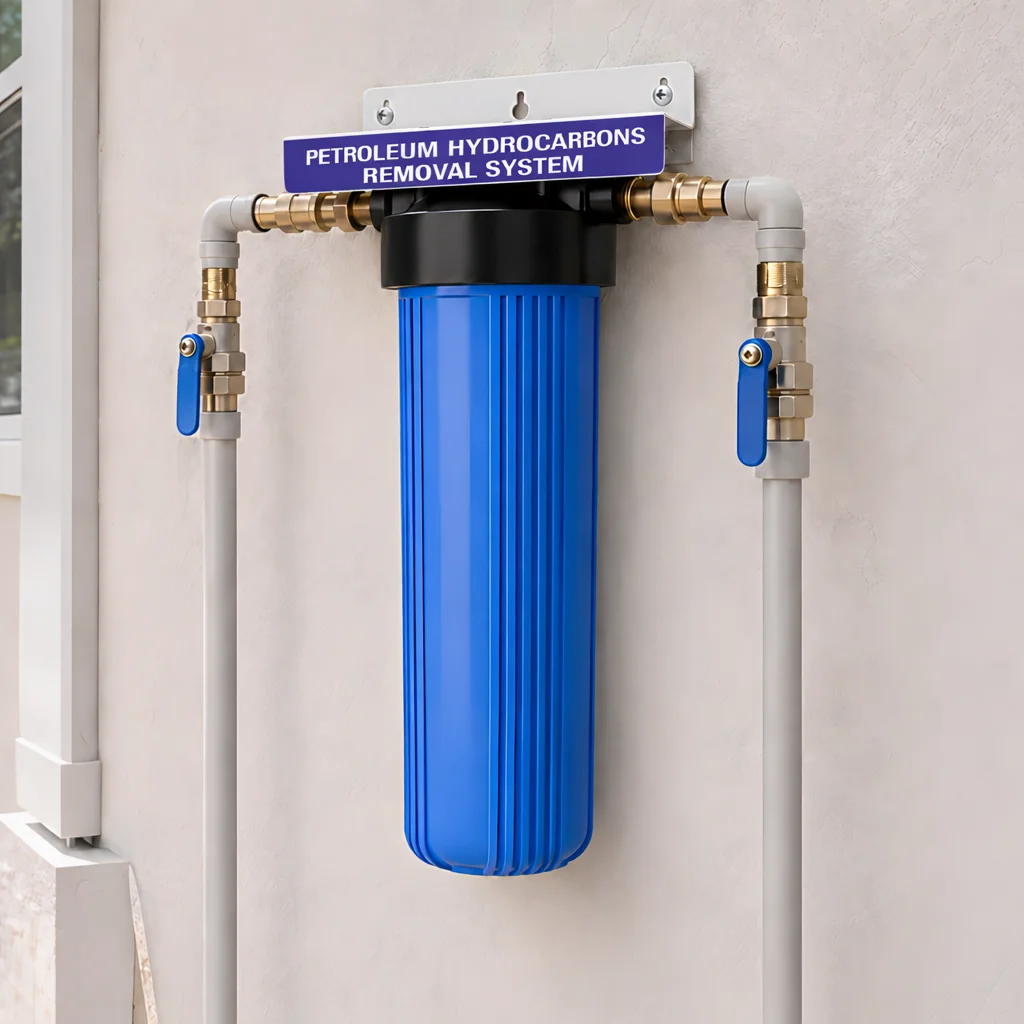
A high-quality activated carbon filter is generally the best single-filter choice for reducing petroleum hydrocarbons in household water. Carbon works by adsorbing these compounds onto its surface as water flows through, and a whole-house granular activated carbon (GAC) tank or large backwashing unit gives the longer contact time and greater carbon capacity needed in most homes. That larger, tank-style GAC approach is usually preferred over small cartridge filters because it better addresses the fuel-like taste and odor many people notice first.
Installed at the point where water enters your Miami home, a correctly sized whole-house GAC system treats showers, laundry, and kitchen taps all together — helpful in a hard-water area where mineral scale already affects fixtures and appliances. Carbon media needs scheduled maintenance and periodic replacement because adsorption sites will fill over time and reduce effectiveness. Mr. Pure Water can help evaluate test results, size a whole-house carbon system for your household flow, and recommend the right maintenance plan for reliable odor and chemical reduction.
 305-404-8790
 info@bestwaterheater.com

