 Phone: 850-772-1365
 info@bestwaterheater.com
Phone: 850-772-1365
info@bestwaterheater.com
info@bestwaterheater.com
Phone: 850-772-1365
info@bestwaterheater.com
 Phone: 850-772-1365
info@bestwaterheater.com
Phone: 850-772-1365
info@bestwaterheater.com

Including filter system and high-performance Petroleum Hydrocarbons filter.


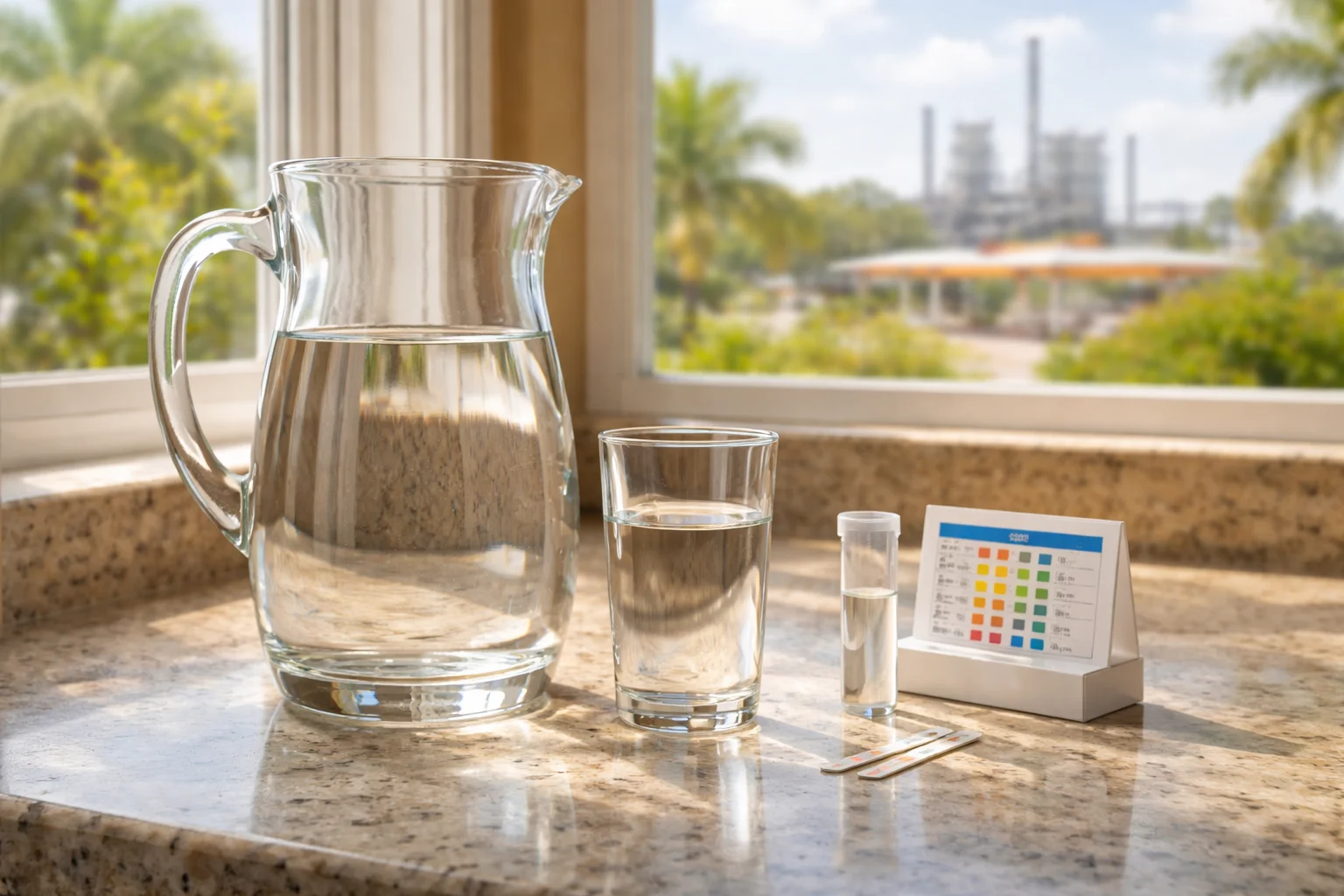
Petroleum hydrocarbons refer to a wide range of fuel- and oil-related chemicals that can show up in household water, often noticeable as a gasoline-like, diesel-like or oily taste or smell. In Navarre Beach, homeowners sometimes report these fuely odors becoming more obvious when water is hot or has sat in pipes. These compounds can enter drinking water from spills, leaks, surface runoff, or problems affecting groundwater and distribution lines, so figuring out the likely source is an important first step before choosing treatment.
Even if your water appears clear, petroleum-related contamination can affect drinking, cooking and everyday comfort around the house. If you in Navarre Beach detect a persistent chemical or fuel smell from faucets, showers or appliances, it’s worth getting your water professionally tested. Some petroleum hydrocarbons are volatile and easy to smell, while others are less odorous yet still degrade water quality; treating the whole house ensures every tap and shower is addressed rather than relying on a single under-sink unit.
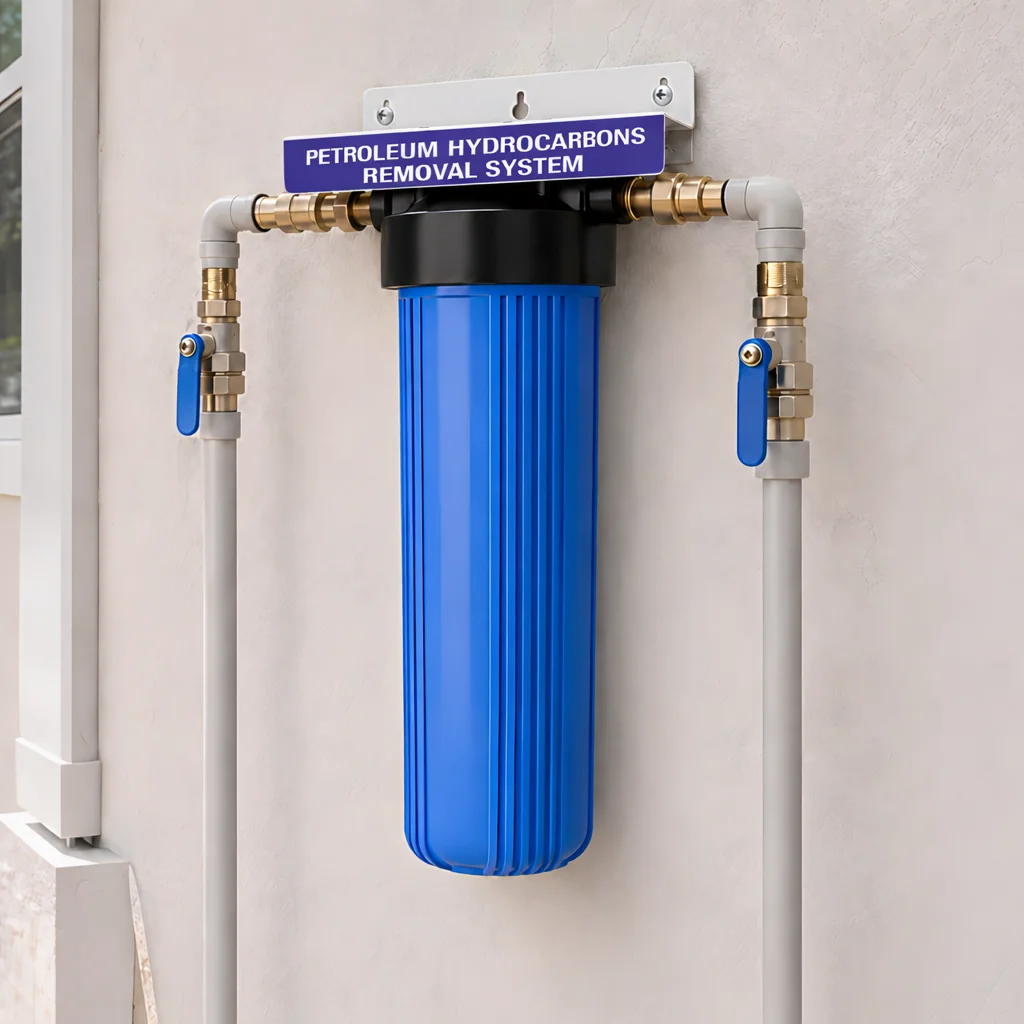
A high-quality activated carbon filter is generally the single most effective home filter for reducing petroleum hydrocarbons. Carbon adsorption works by trapping these compounds on the media as water flows through, making it particularly good at cutting fuel-like tastes and odors. For a whole-house installation in Navarre Beach, a large granular activated carbon (GAC) tank or backwashing GAC system is typically preferred over small cartridges because it offers greater carbon capacity and longer contact time.
Installed at the point where water enters your Navarre Beach home, a properly sized whole-house GAC system treats shower water, laundry and all kitchen taps so odors won’t follow you indoors. Because carbon media eventually exhausts, regular maintenance and periodic media replacement are needed to keep adsorption performance high. Mr. Pure Water can help assess your household flow requirements and match a whole-house carbon system to the specific petroleum hydrocarbon concerns shown by testing.
 850-772-1365
 info@bestwaterheater.com

