 Phone: 850-772-1365
 info@bestwaterheater.com
Phone: 850-772-1365
info@bestwaterheater.com
info@bestwaterheater.com
Phone: 850-772-1365
info@bestwaterheater.com
 Phone: 850-772-1365
info@bestwaterheater.com
Phone: 850-772-1365
info@bestwaterheater.com

Including filter system and high-performance PFBA filter.


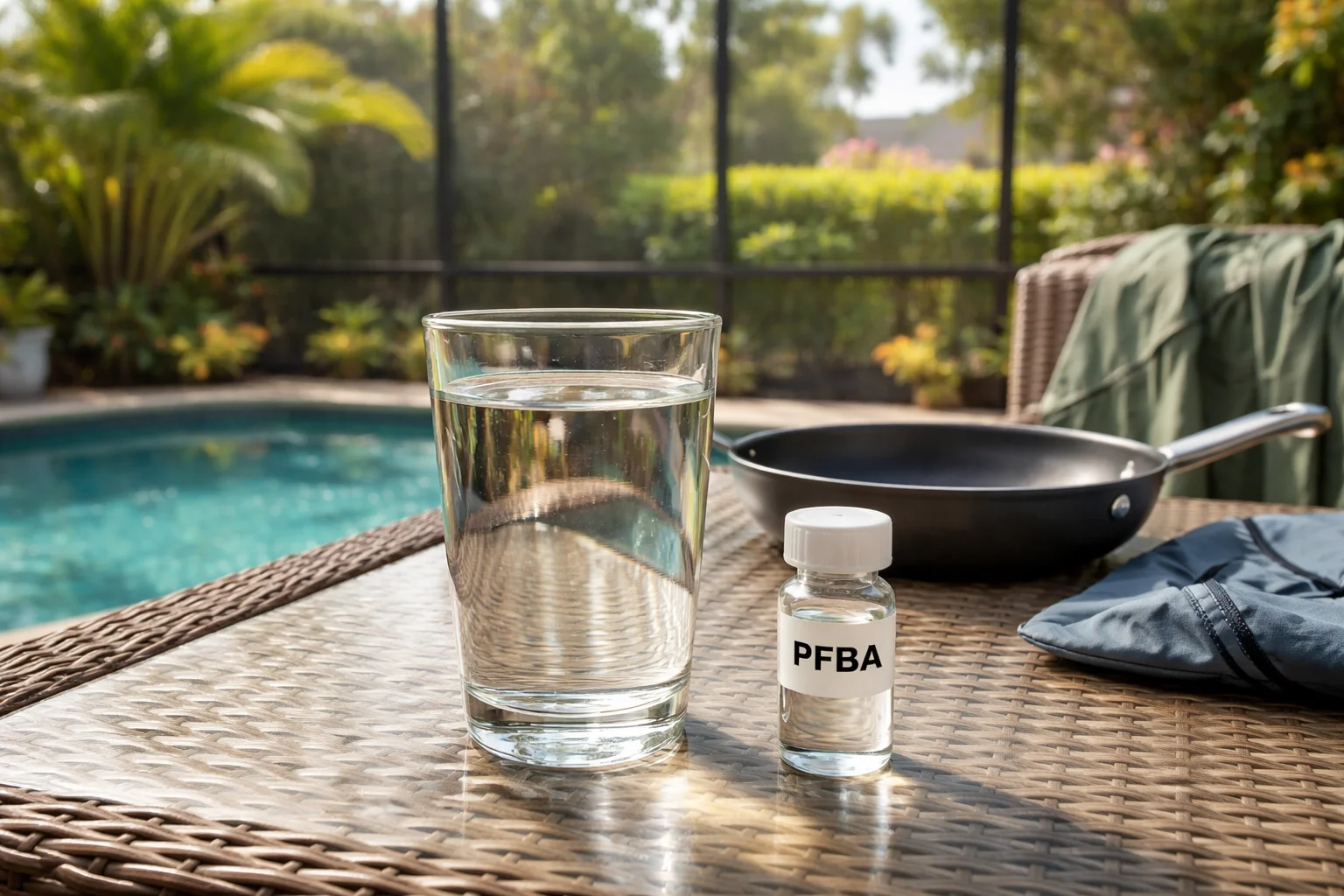
PFBA is a type of PFAS that can turn up in household water supplies. Centerville homeowners often hear about it after a private water test, a utility notice, or conversations about what’s in their drinking water. Because PFBA is persistent and can be hard to remove once it’s in the environment, many families opt for a treatment solution that reduces it everywhere in the house. Tackling it at the whole-house level helps you feel confident about the water used for drinking, cooking, and bathing throughout your Centerville home.
PFBA may be present even when water looks clear, tastes fine, and has no smell. It can also occur alongside other PFAS, which is why some Centerville homeowners prefer systems designed to address a broader set of these compounds rather than relying on basic taste-and-odor filters. If PFBA is a concern, start with a current water analysis so you have a clear picture of what’s in your supply. From that point, a correctly sized whole-house system can be chosen to match your house and typical water use.
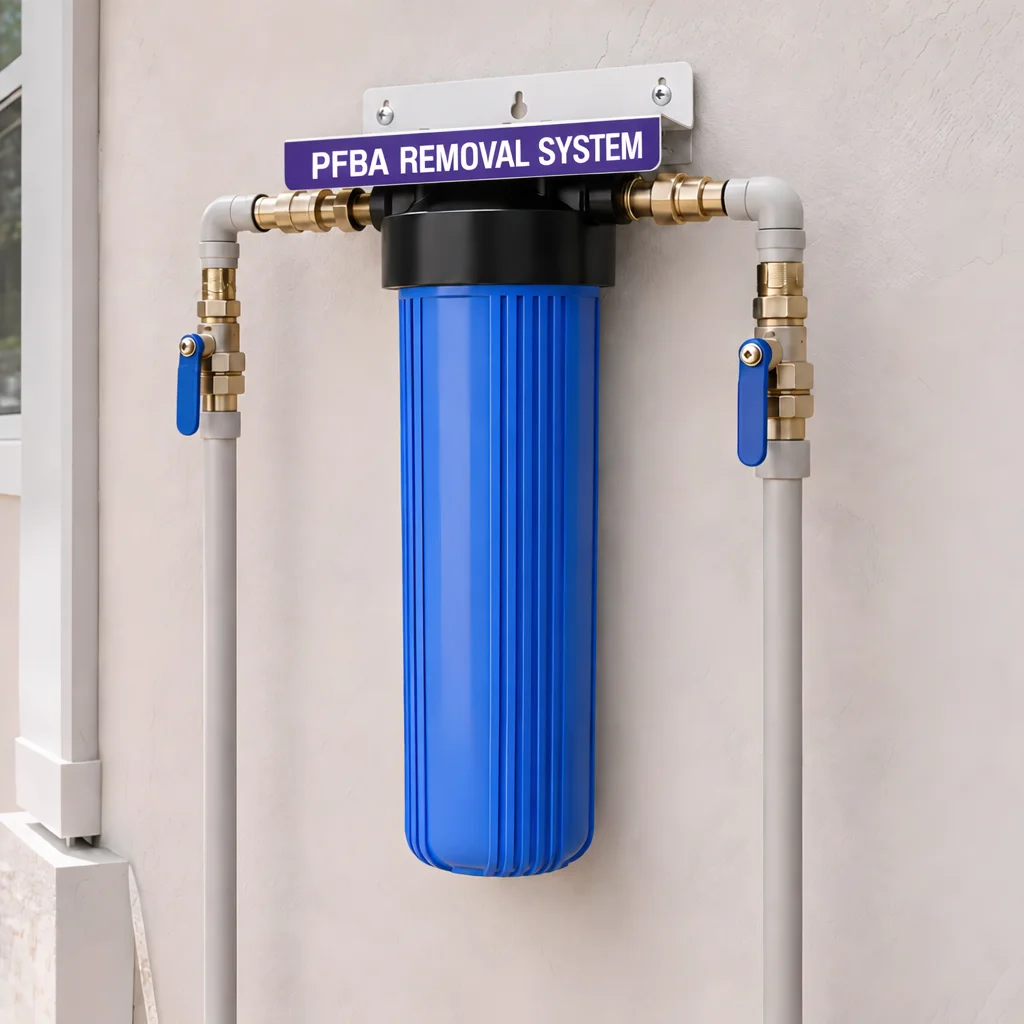
To reduce PFBA at the main water entry point, a whole-house granular activated carbon (GAC) filter is generally the most effective single-filter option. Carbon filtration removes many organic contaminants, including numerous PFAS compounds, by adsorbing them as water flows through the media. A properly sized GAC tank gives the contact time needed for improved reduction and treats every faucet, shower, and appliance in your Centerville home, while also reducing common nuisance compounds that carbon captures.
Because PFBA can be tougher to reduce than some larger PFAS, performance depends on carbon quality, bed depth, and flow rate—not just installing a carbon cartridge. Mr. Pure Water designs whole-house GAC systems to match household demand in Centerville so the media maintains effective contact time. Regular replacement of the carbon media is important to prevent exhaustion and loss of capacity. If your testing identifies multiple PFAS, we can recommend a system configuration that targets PFBA reduction while supporting broader PFAS treatment goals.
 850-772-1365
 info@bestwaterheater.com

