 Phone: 772-290-5223
 info@bestwaterheater.com
Phone: 772-290-5223
info@bestwaterheater.com
info@bestwaterheater.com
Phone: 772-290-5223
info@bestwaterheater.com
 Phone: 772-290-5223
info@bestwaterheater.com
Phone: 772-290-5223
info@bestwaterheater.com

Including filter system and high-performance PFBA filter.


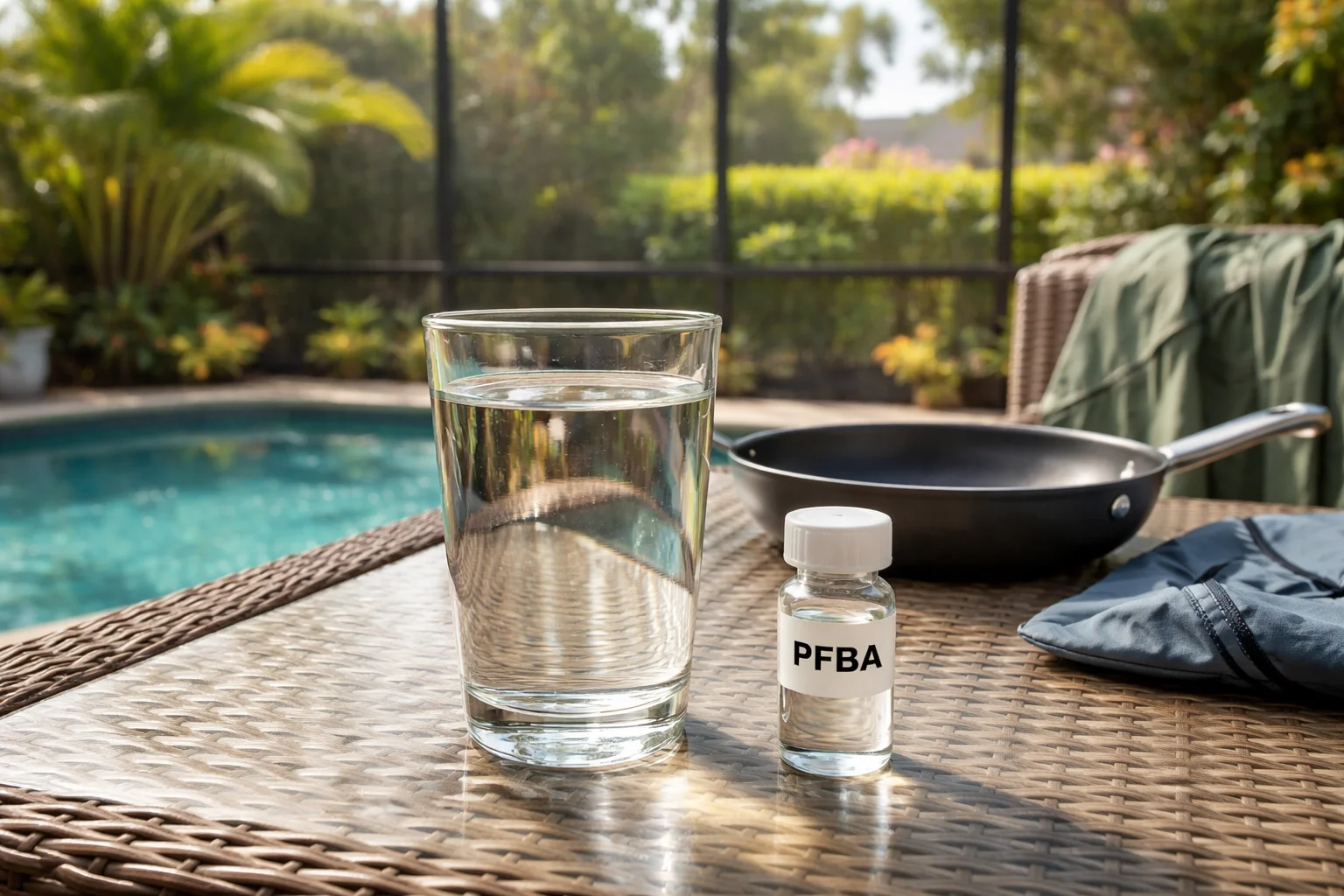
PFBA is one of the PFAS chemicals that can turn up in household water. In Fort Pierce North many homeowners first hear about it from a private water test, a utility notice, or neighbors asking questions about local water quality. Because PFBA is persistent in the environment and not always easy to remove, families here often choose a treatment strategy that reduces it at every tap — so drinking, cooking and bathing water feel safer and more reliable despite our coastal humidity and hard water.
You can’t rely on clarity or taste to know whether PFBA is present; water can look and taste normal yet still contain this compound. PFBA may appear alongside other PFAS, which is why Fort Pierce North residents frequently opt for solutions that address a broader class of these contaminants rather than just a basic taste-and-odor filter. Start with an up-to-date water analysis so you know what’s in your supply — then a whole-house system can be sized to your St. Lucie County home and daily water use.
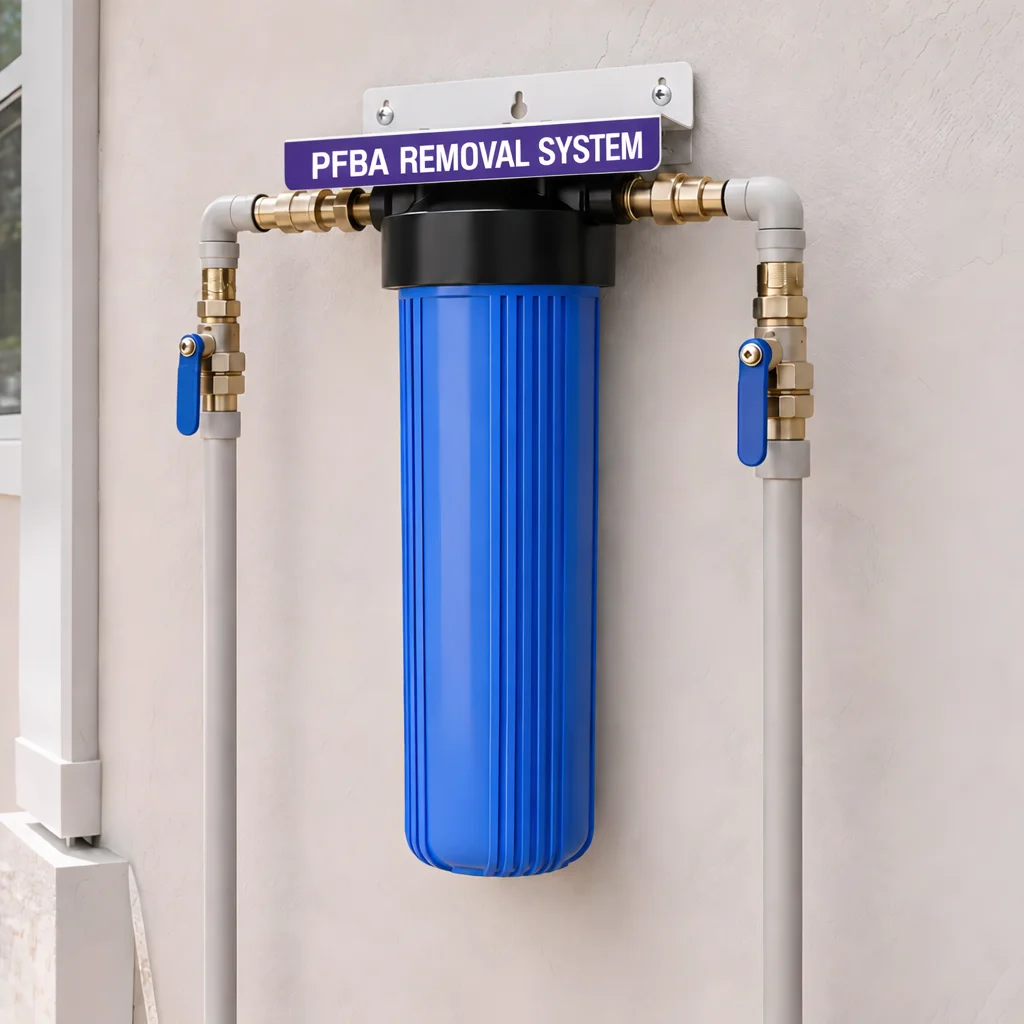
To reduce PFBA where water enters a house, the most effective single-filter option is a whole-house granular activated carbon (GAC) system. As water passes through the carbon media, many organic contaminants — including a range of PFAS — are adsorbed. A correctly sized GAC tank gives the contact time needed for better reduction and treats every faucet, shower and appliance in neighborhoods like White City, Lakewood Park and Indian River Estates, while also helping with nuisance compounds that carbon removes.
Because PFBA can be more difficult to capture than some larger PFAS, effectiveness depends on carbon grade, bed depth and flow rate — not just installing a small cartridge. Mr. Pure Water custom-designs whole-house GAC systems for Fort Pierce North homes to maintain appropriate contact time even with our hard water and coastal conditions. Regular media replacement keeps the carbon from becoming exhausted; if your test shows multiple PFAS, we’ll recommend a configuration that targets PFBA while supporting wider PFAS reduction goals.
 772-290-5223
 info@bestwaterheater.com

