 Phone: 561-300-5075
 info@bestwaterheater.com
Phone: 561-300-5075
info@bestwaterheater.com
info@bestwaterheater.com
Phone: 561-300-5075
info@bestwaterheater.com
 Phone: 561-300-5075
info@bestwaterheater.com
Phone: 561-300-5075
info@bestwaterheater.com

Including filter system and high-performance PFBS filter.


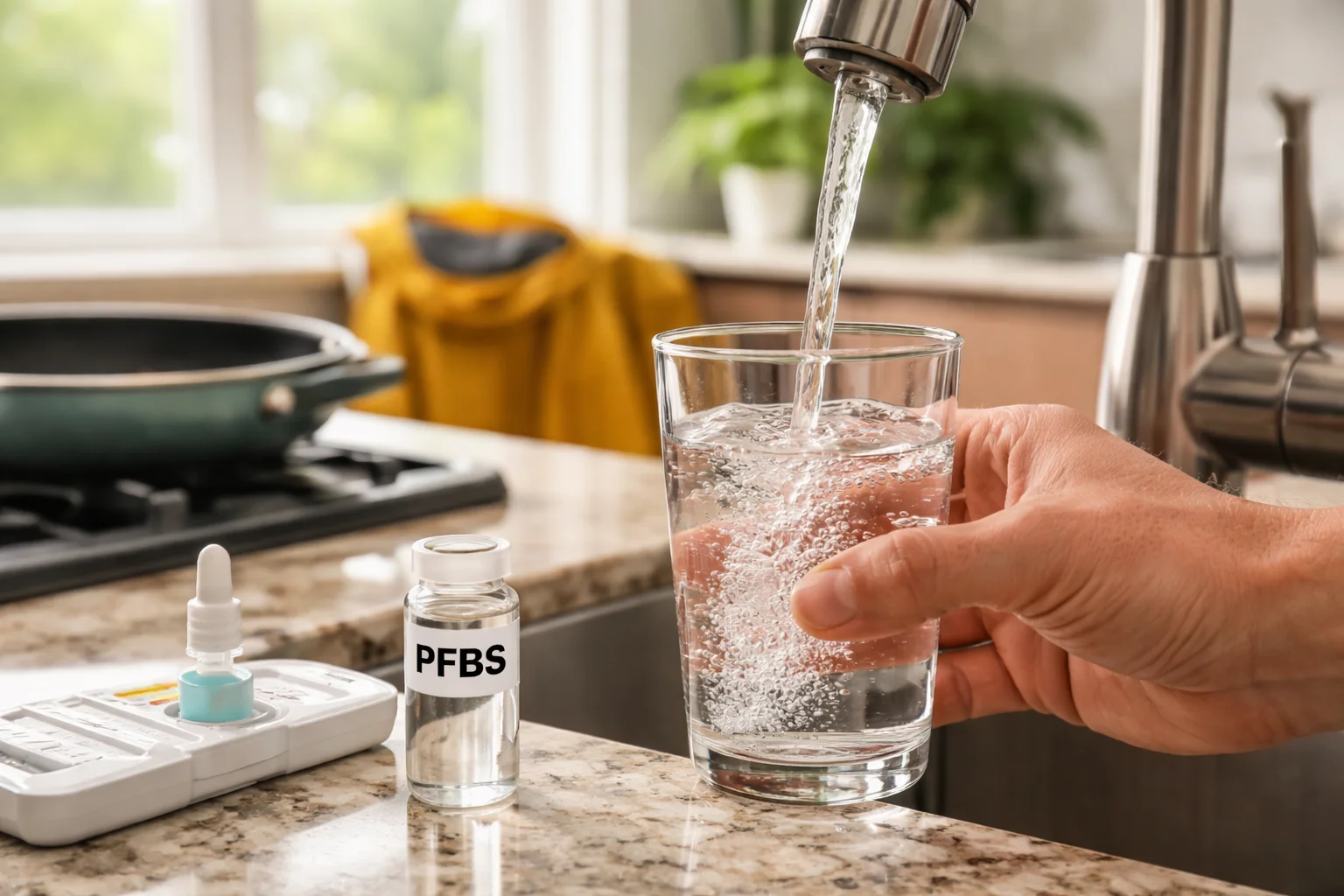
PFBS is one of the PFAS compounds you may see mentioned in water reports or news coverage. These human-made chemicals persist in the environment and can reach drinking water from various industrial and consumer sources. If you live in Gulf Stream and are thinking about protecting your household water, many homeowners prefer a solution that treats every tap without changing daily habits. A whole-house system brings that kind of broad coverage to your home’s plumbing and appliances.
PFBS usually occurs at very low concentrations, so you can’t rely on taste, smell, or clarity to detect it. The best first step is to consult local water testing data or have your Gulf Stream residence tested by a certified lab to establish a baseline. If testing shows elevated PFBS, installing filtration is a sensible next move. The aim is steady reduction across drinking water, cooking, bathing and laundry so every household use benefits.
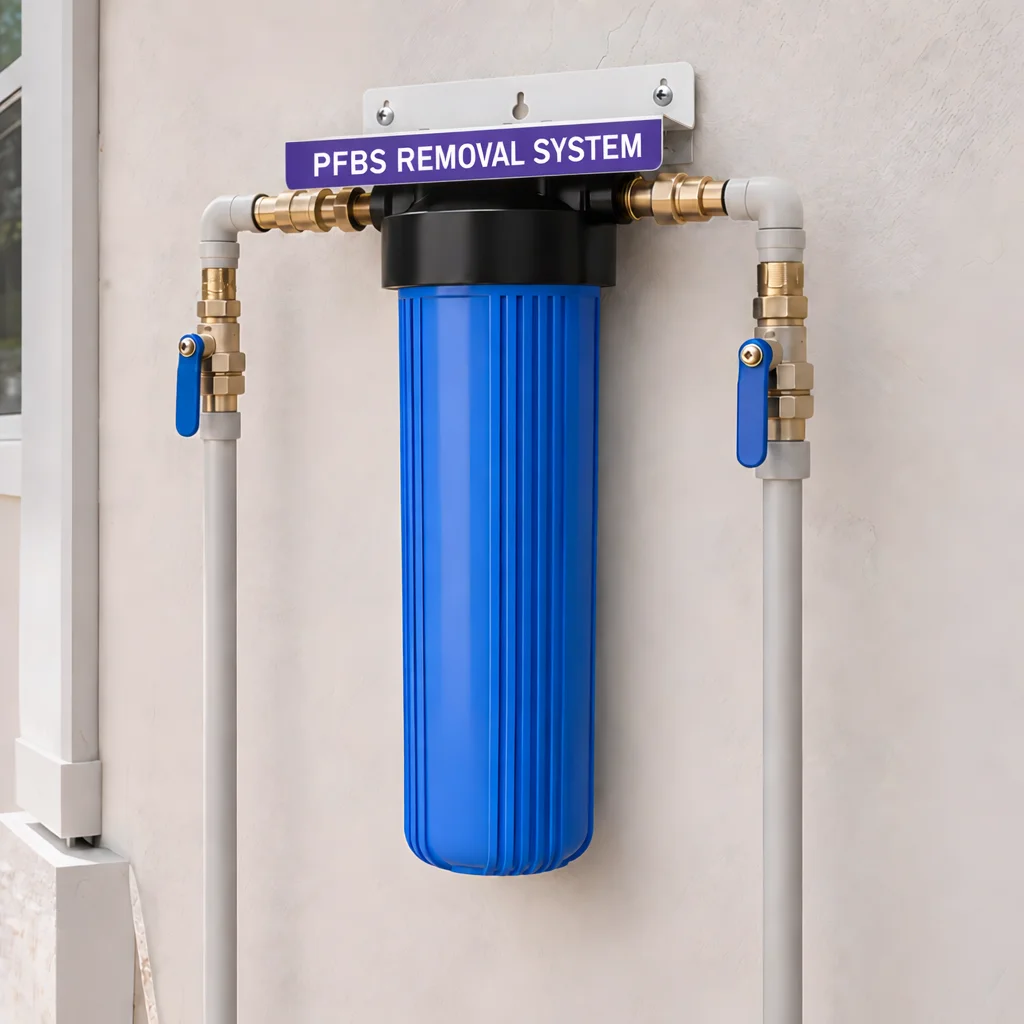
For removing PFBS from whole-house water, activated carbon is the go-to residential option—especially catalytic or high-capacity carbon formulated to reduce PFAS. Carbon media captures PFAS as water passes through, so contact time and proper sizing matter; a correctly sized whole-house carbon tank helps ensure effective treatment before water reaches your taps. This approach treats all water entering a Gulf Stream home rather than limiting protection to a single faucet.
A whole-house activated carbon system is lower-maintenance than installing multiple point-of-use filters around your Gulf Stream property, and it treats water before it splits to showers, appliances and faucets. In Palm Beach County where municipal water is typically hard, matching the right carbon media and tank size to your household’s flow and usage helps preserve performance and reduce mineral scale impacts on appliances. Mr. Pure Water can size and spec a whole-house carbon system so it delivers consistent PFBS reduction across your home.
 561-300-5075
 info@bestwaterheater.com

