 Phone: 305-404-8790
 info@bestwaterheater.com
Phone: 305-404-8790
info@bestwaterheater.com
info@bestwaterheater.com
Phone: 305-404-8790
info@bestwaterheater.com
 Phone: 305-404-8790
info@bestwaterheater.com
Phone: 305-404-8790
info@bestwaterheater.com

Including filter system and high-performance PFBS filter.


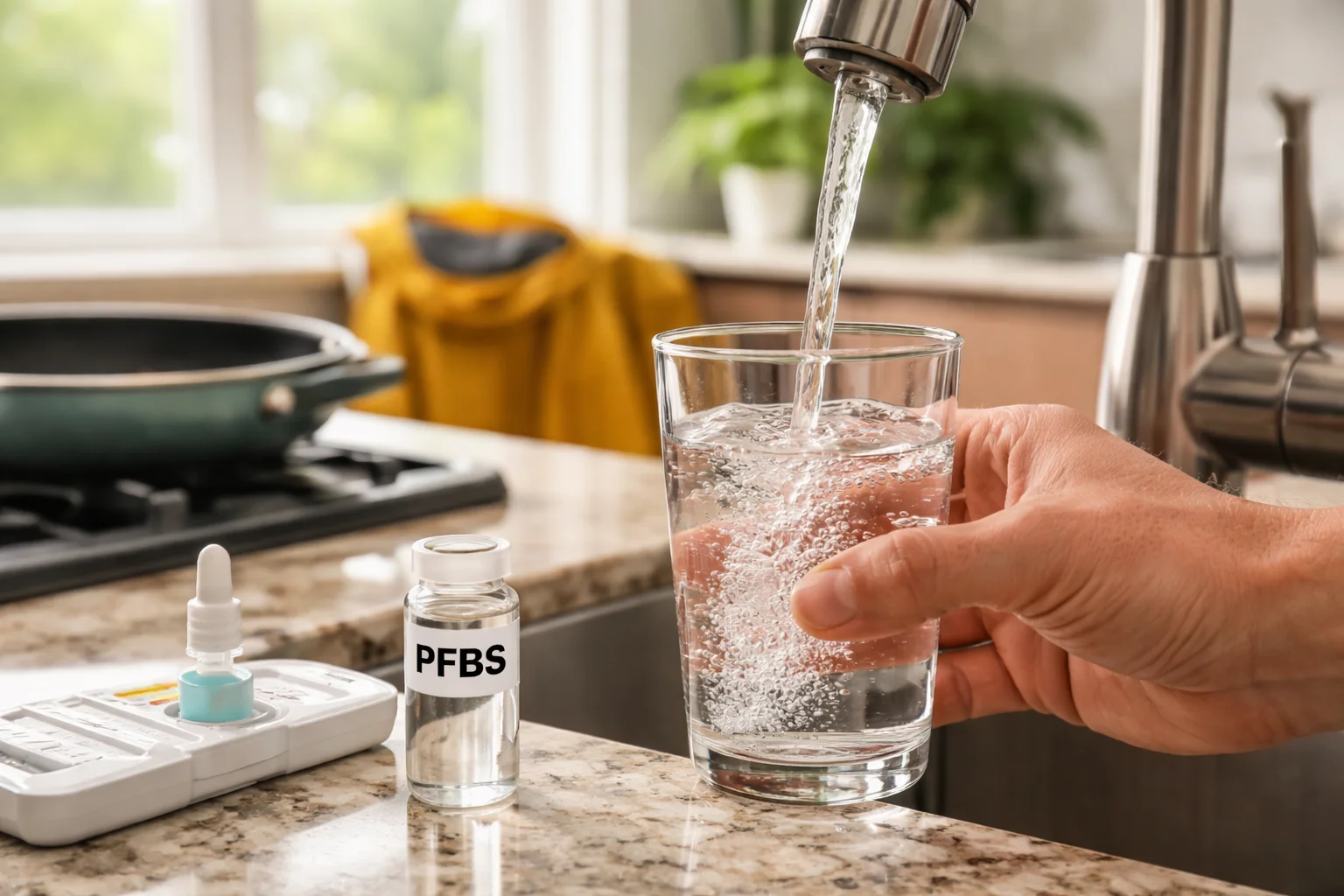
PFBS is one of the PFAS chemicals that sometimes appears in water-quality discussions and reports. These synthetic, persistent compounds can come from industrial and consumer sources and may reach local supplies. If you live in University Park and want to improve water quality without changing how you use the house, a whole-house strategy treats water at every fixture so you get protection at faucets, showers and appliances throughout your home.
PFBS is usually found at very low levels, so you can’t depend on taste, smell or clarity to tell if it’s present. The best first step for University Park homeowners is to check municipal water reports or have a certified lab test a home sample. If testing suggests elevated PFBS, installing a whole-house filter can provide consistent reductions for drinking, cooking, bathing and laundry across your property.
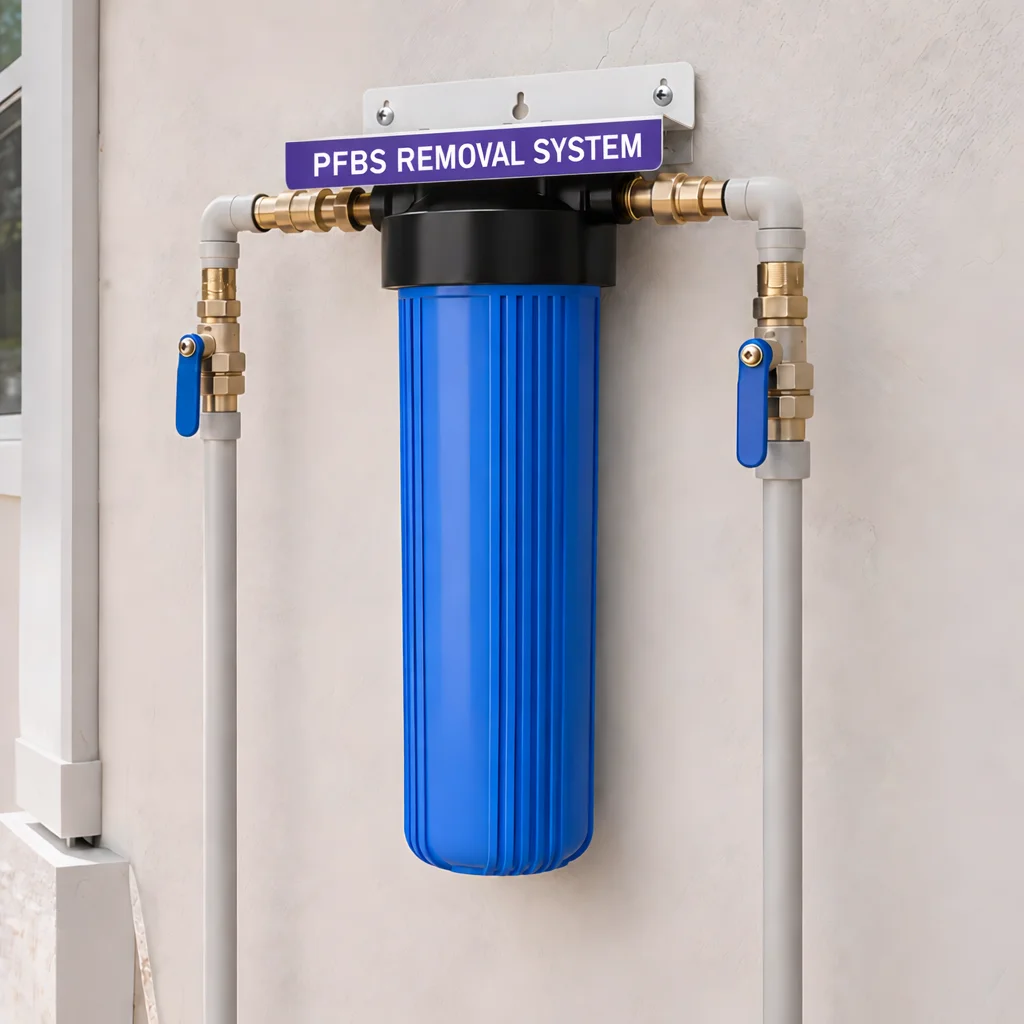
For PFBS, the most effective single filter type for whole-house use is activated carbon—preferably catalytic or a high-capacity carbon formulated for PFAS reduction. Carbon removes PFAS by adsorbing the compounds as water passes through the media, so having the right tank size and contact time is important for homes in the Miami-Dade area. A properly sized whole-house carbon system gives treated water to every tap, not just a single point of use.
A whole-house activated carbon system is lower-maintenance than fitting multiple point-of-use filters around a University Park home, and it treats water before it reaches showers, plumbing fixtures and hard-water-affected appliances. Because Miami-Dade municipal water is typically hard and can cause mineral buildup, pairing the correct carbon media and tank capacity to your household’s flow and usage helps ensure effective PFBS reduction and steady performance. Mr. Pure Water can size and match the system so the filter media gets enough contact time to do its job.
 305-404-8790
 info@bestwaterheater.com

