 Phone: 954-208-3500
 info@bestwaterheater.com
Phone: 954-208-3500
info@bestwaterheater.com
info@bestwaterheater.com
Phone: 954-208-3500
info@bestwaterheater.com
 Phone: 954-208-3500
info@bestwaterheater.com
Phone: 954-208-3500
info@bestwaterheater.com

Including filter system and high-performance PFDA filter.


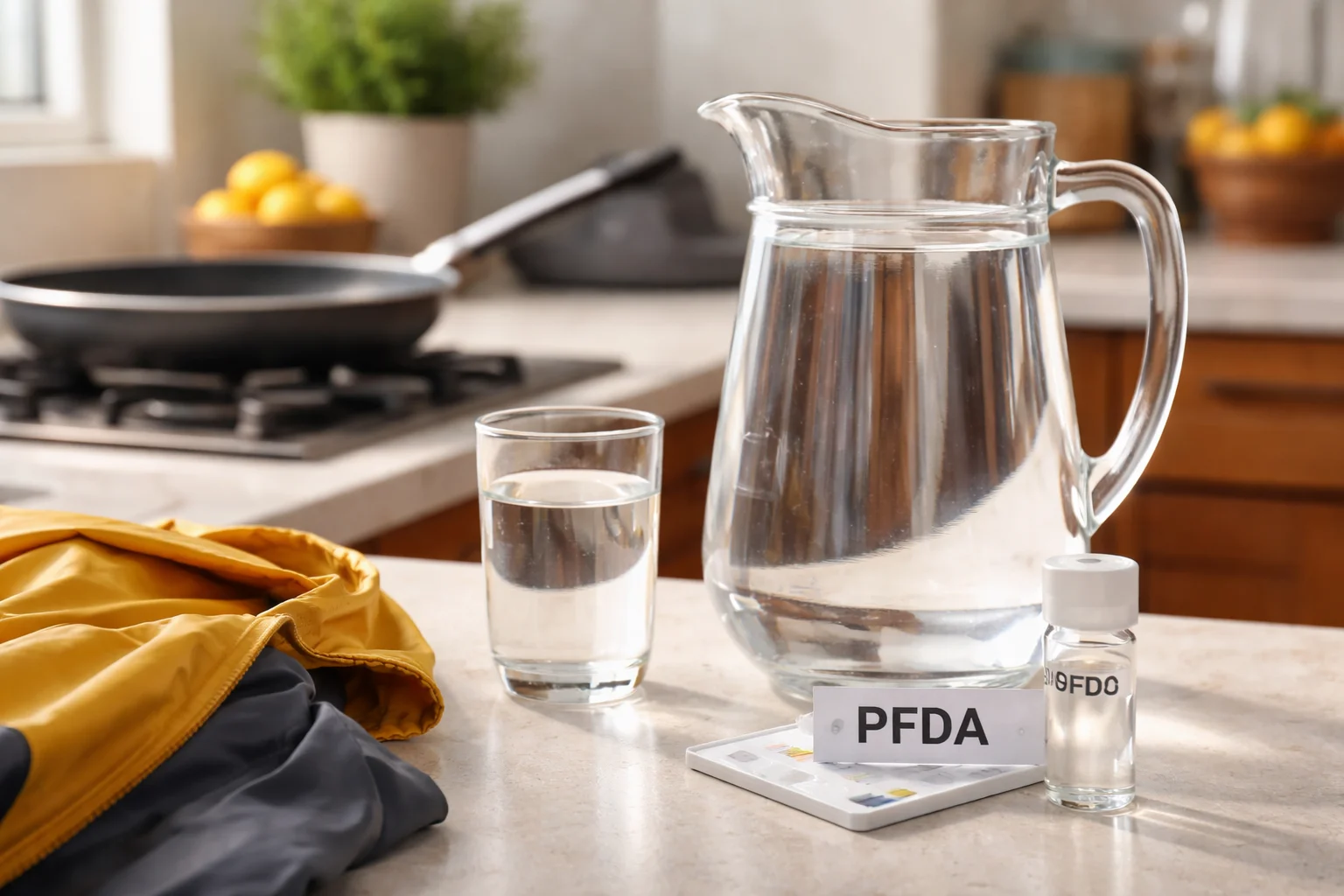
PFDA is one member of the larger PFAS family, used in industry because it resists heat and many chemicals. Like other “forever chemicals,” it can persist in the environment and sometimes reach drinking water through manufacturing, disposal, or runoff. Because PFDA usually has no taste, smell, or visible signs, Plantation homeowners won’t detect it without laboratory testing. If you’re worried about PFDA in your Broward County water, start with a certified water test and then choose a treatment aimed specifically at PFAS.
When people refer to PFAS they mean a family of related compounds that behave differently than routine nuisance issues—like the hard water that many Plantation homes experience and that can leave limescale on fixtures and appliances. Filters targeting PFAS require the right media and sufficient contact time to capture these compounds. While point-of-use devices can protect a single sink, many families across Plantation’s neighborhoods prefer whole-house protection so showers, faucets, and laundry are treated too, and maintenance is consolidated in one location.
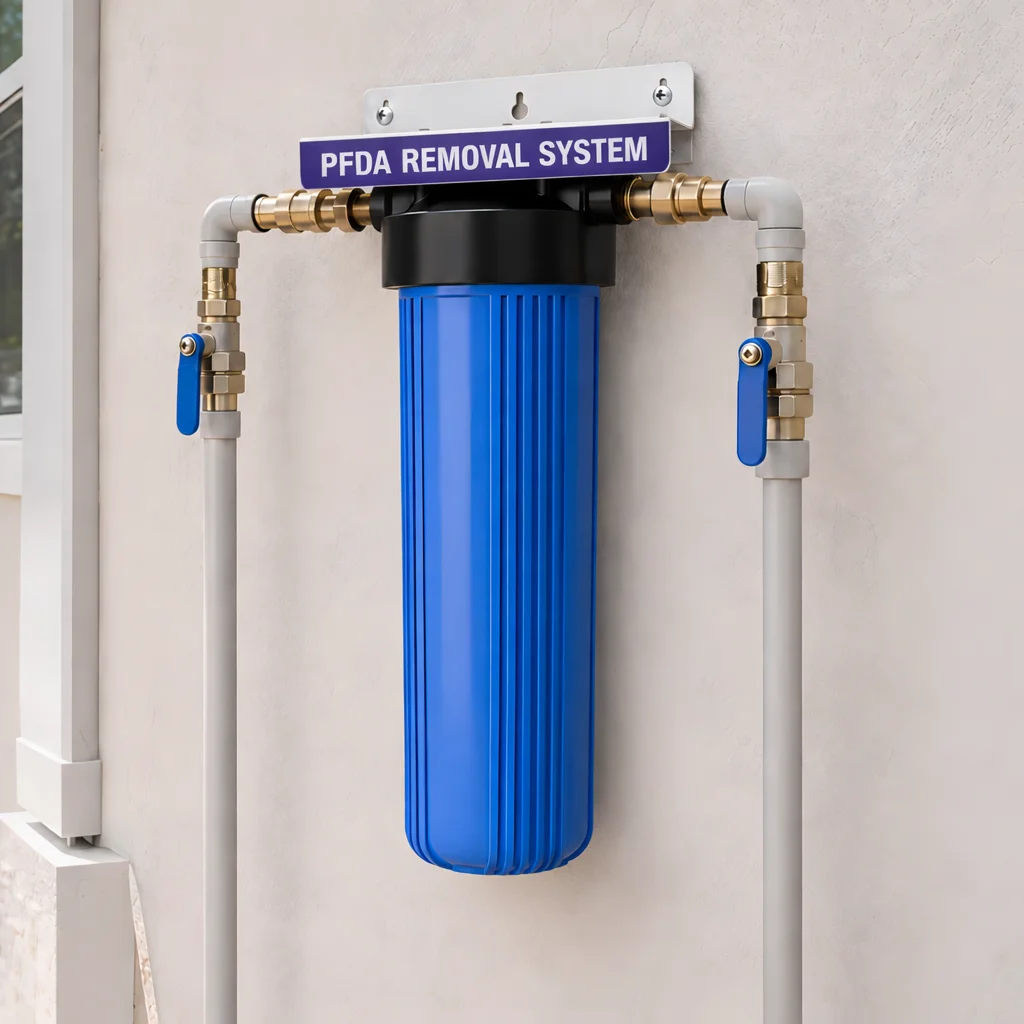
For whole-house removal of PFDA, the single most effective filter type is a granular activated carbon (GAC) system engineered for PFAS reduction. GAC removes PFDA by adsorbing it onto a very large internal surface area, and correctly sized tanks give the contact time needed for better capture. Because PFDA can be more difficult to remove than chlorine or taste-causing contaminants, the carbon media and system design should be selected specifically for PFAS performance—not just general odor or chlorine control.
A properly installed whole-house GAC unit sits at your main water inlet so treated water flows to every faucet, shower, and appliance in your Plantation home. To work well it must be sized for your household flow and usage—undersized systems lose contact time under heavy demand—and its carbon media needs scheduled replacement because adsorption capacity is finite. Mr. Pure Water can assess your home, recommend a PFDA-focused whole-house carbon system, and install it so you get consistent, home-wide PFAS protection.
 954-208-3500
 info@bestwaterheater.com

