 Phone: 561-300-5075
 info@bestwaterheater.com
Phone: 561-300-5075
info@bestwaterheater.com
info@bestwaterheater.com
Phone: 561-300-5075
info@bestwaterheater.com
 Phone: 561-300-5075
info@bestwaterheater.com
Phone: 561-300-5075
info@bestwaterheater.com

Including filter system and high-performance PFDoA filter.


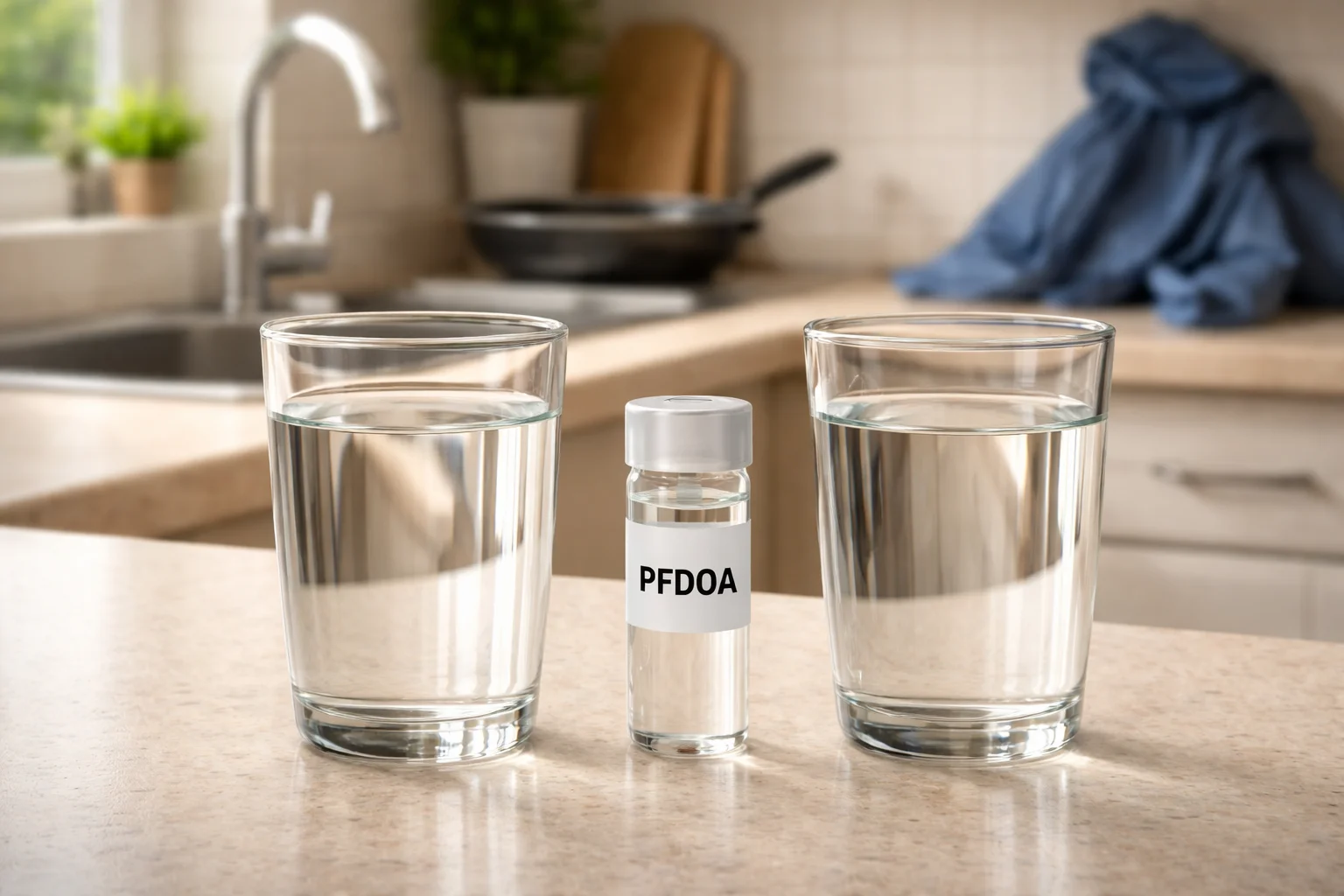
PFDoA is a type of PFAS sometimes called a “forever chemical” because it can persist in the environment and in water for a long time. Homeowners may hear about PFAS in the news and wonder whether similar compounds are present in their own supply. Even when water looks clear and tastes normal, PFDoA can still be there because many PFAS have no obvious taste, odor, or color. That’s why targeted treatment is often the next step after awareness and testing.
PFDoA can enter water sources through industrial uses and products that rely on fluorinated chemistry, and it may travel long distances once released. Because PFAS behave differently than common issues like sediment or hardness, a basic cartridge meant for dirt and rust typically won’t address them. People who want to be proactive often look for a solution that treats the water at the point where it enters the home. A whole-house approach can help reduce exposure from everyday uses like bathing, laundry, and cooking.
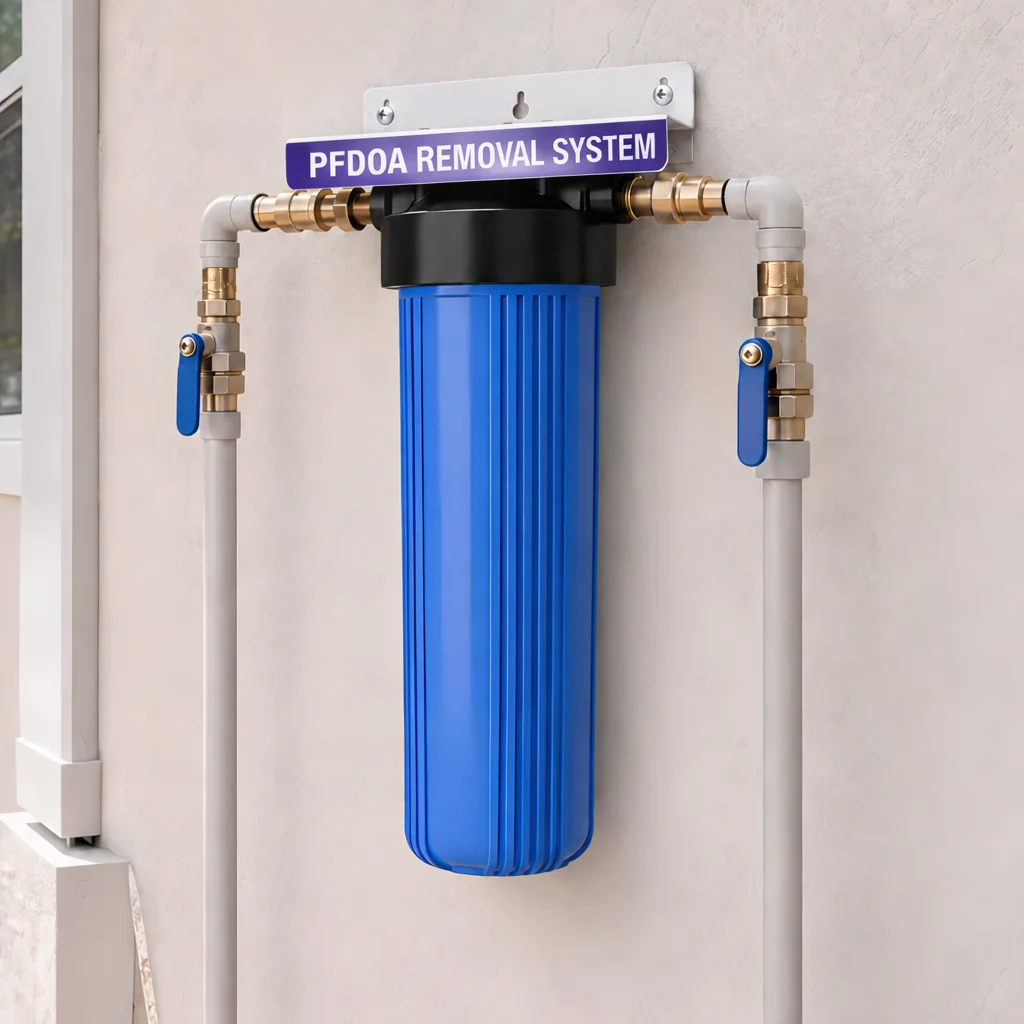
For PFDoA, the single most effective type of filter used in home treatment is a high-quality granular activated carbon (GAC) system designed for PFAS reduction. Carbon media can adsorb many PFAS compounds, helping capture them as water passes through the tank. Because PFAS performance depends on contact time, the right tank size and flow rate matter as much as the media itself. Installed as a whole-house filter, GAC treats water for every tap without relying on small under-sink cartridges alone.
A whole-house GAC filter for PFDoA is typically paired with proper prefiltration so the carbon bed doesn’t get prematurely coated with sediment that can reduce effectiveness. Ongoing performance also depends on timely media replacement, since adsorbed PFAS will eventually consume the available capacity of the carbon. The goal is consistent reduction across changing household demand, from showers to dishwashers to outdoor spigots. Mr. Pure Water can help size and configure a whole-house carbon system that’s built around PFAS-focused treatment, including PFDoA.
 561-300-5075
 info@bestwaterheater.com

