 Phone: 305-404-8790
 info@bestwaterheater.com
Phone: 305-404-8790
info@bestwaterheater.com
info@bestwaterheater.com
Phone: 305-404-8790
info@bestwaterheater.com
 Phone: 305-404-8790
info@bestwaterheater.com
Phone: 305-404-8790
info@bestwaterheater.com

Including filter system and high-performance PFHxA filter.


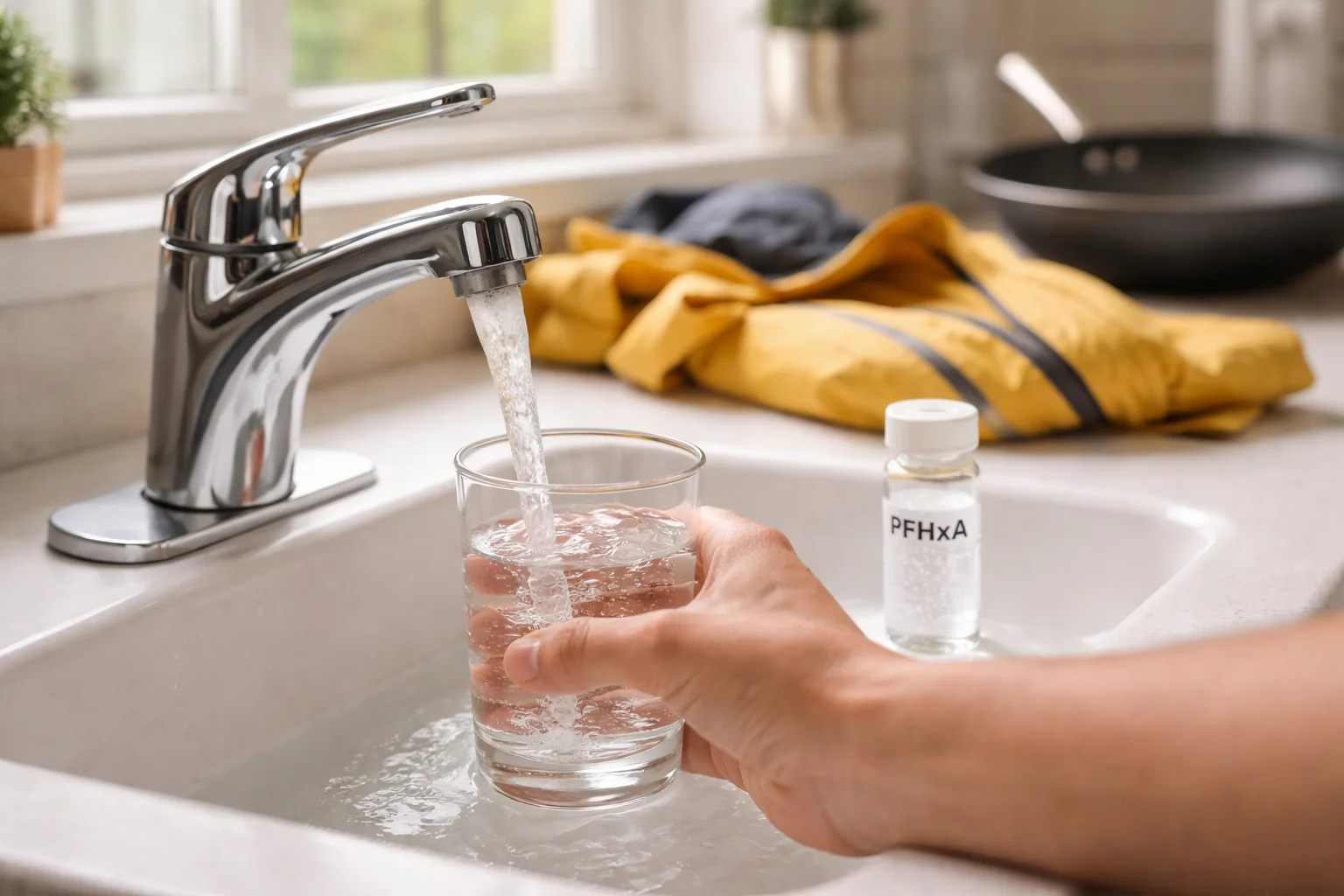
PFHxA is one of the PFAS chemicals homeowners hear about when water quality is discussed. In Indian Creek and nearby Miami‑Dade neighborhoods, residents often learn of potential issues through utility notices, local reporting, or private testing. Because PFHxA is persistent in the environment, many folks choose to reduce it proactively rather than only monitor it. A whole‑house filter treats water at every faucet and shower, so you lower exposure throughout your home instead of just at the kitchen sink.
PFHxA generally won’t change how water looks, tastes, or smells, so testing is the reliable way to know what’s present in your plumbing. If tests show cause for concern, treatment commonly relies on adsorption media engineered to capture PFAS compounds. When choosing a system for an Indian Creek home, factor in daily household flow and the region’s hard water tendencies—proper sizing ensures the unit can meet your family’s needs without restricting water use.
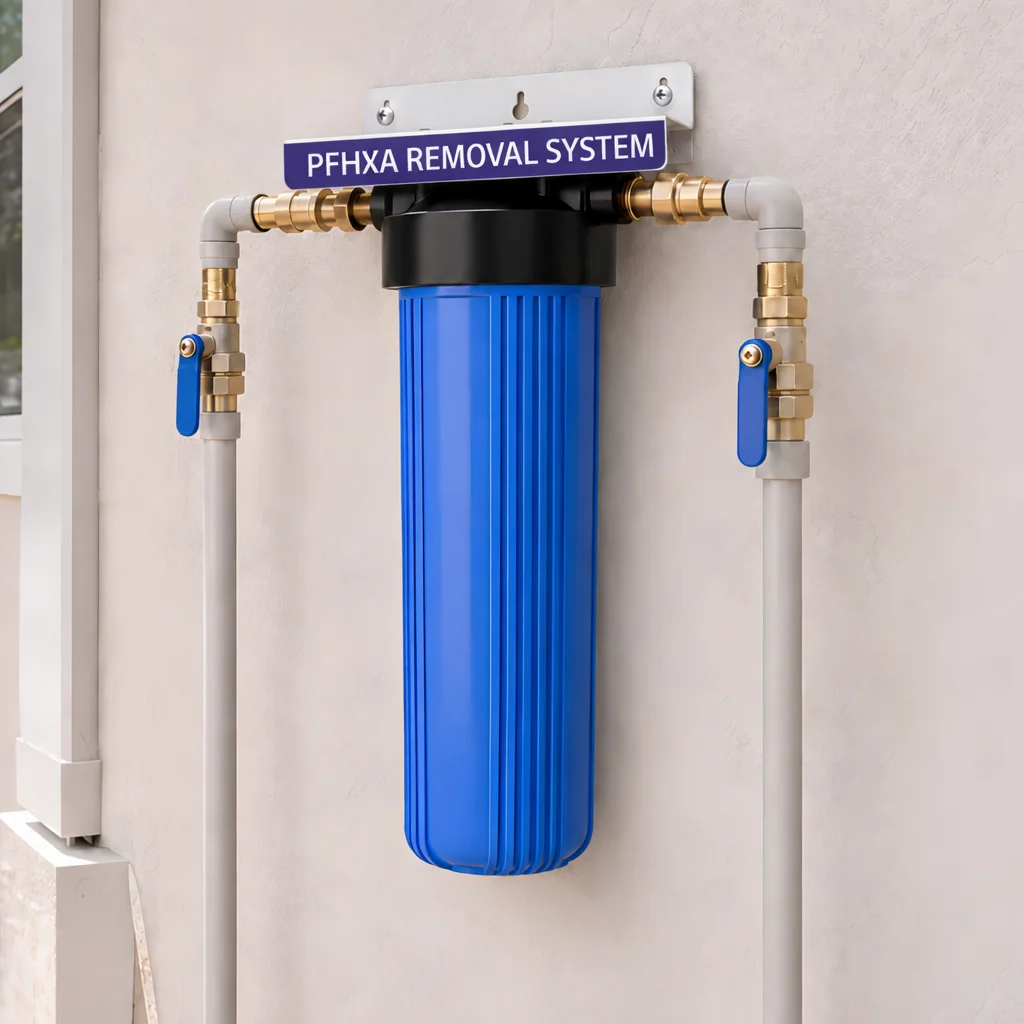
For whole‑home reduction of PFHxA, the most effective single filter type is a quality activated carbon system, generally granular activated carbon (GAC) with adequate contact time. Carbon adsorption is a widely used approach for PFAS because the media attracts and holds these compounds as water passes through the bed. In a correctly sized whole‑house GAC unit for an Indian Creek residence, the system treats water for showers, laundry and every faucet without the low flow limits of point‑of‑use devices; matching tank size and carbon volume to your household demand keeps performance steady.
A whole‑house GAC filter is installed at the main water entry so PFHxA is addressed before it reaches plumbing and fixtures in Indian Creek homes. Media choice, bed depth and service flow rate are important because high flow reduces contact time and can lower removal efficiency. Regular media replacement matters too — a saturated carbon bed won’t capture PFHxA well. Mr. Pure Water can assess your Miami‑Dade home, help size the tank and carbon volume, and install a system that’s easy to maintain while handling the area’s hard water conditions.
 305-404-8790
 info@bestwaterheater.com

