 Phone: 305-404-8790
 info@bestwaterheater.com
Phone: 305-404-8790
info@bestwaterheater.com
info@bestwaterheater.com
Phone: 305-404-8790
info@bestwaterheater.com
 Phone: 305-404-8790
info@bestwaterheater.com
Phone: 305-404-8790
info@bestwaterheater.com

Including filter system and high-performance PFHxA filter.



PFHxA is one of the PFAS chemicals that can occur in drinking water at trace levels. Homeowners in Islamorada commonly hear about PFHxA from utility notifications, local news, or private lab testing, and because these compounds persist in the environment many residents choose to reduce exposure rather than only watch test results. A whole-house system treats water going to every fixture—showers, laundry, outdoor hoses and kitchen taps—so your family and appliances get protection across the house.
PFHxA won’t necessarily change how water tastes, smells, or looks, so it can be present without obvious signs; testing is the reliable way to see what’s in your supply. If testing indicates cause for concern, treatment commonly relies on adsorption media that capture PFAS compounds. When selecting equipment for an Islamorada home, also consider local factors like moderate water hardness, coastal salt air effects on outdoor plumbing, and the household’s daily flow so the system can meet your family’s real water use.
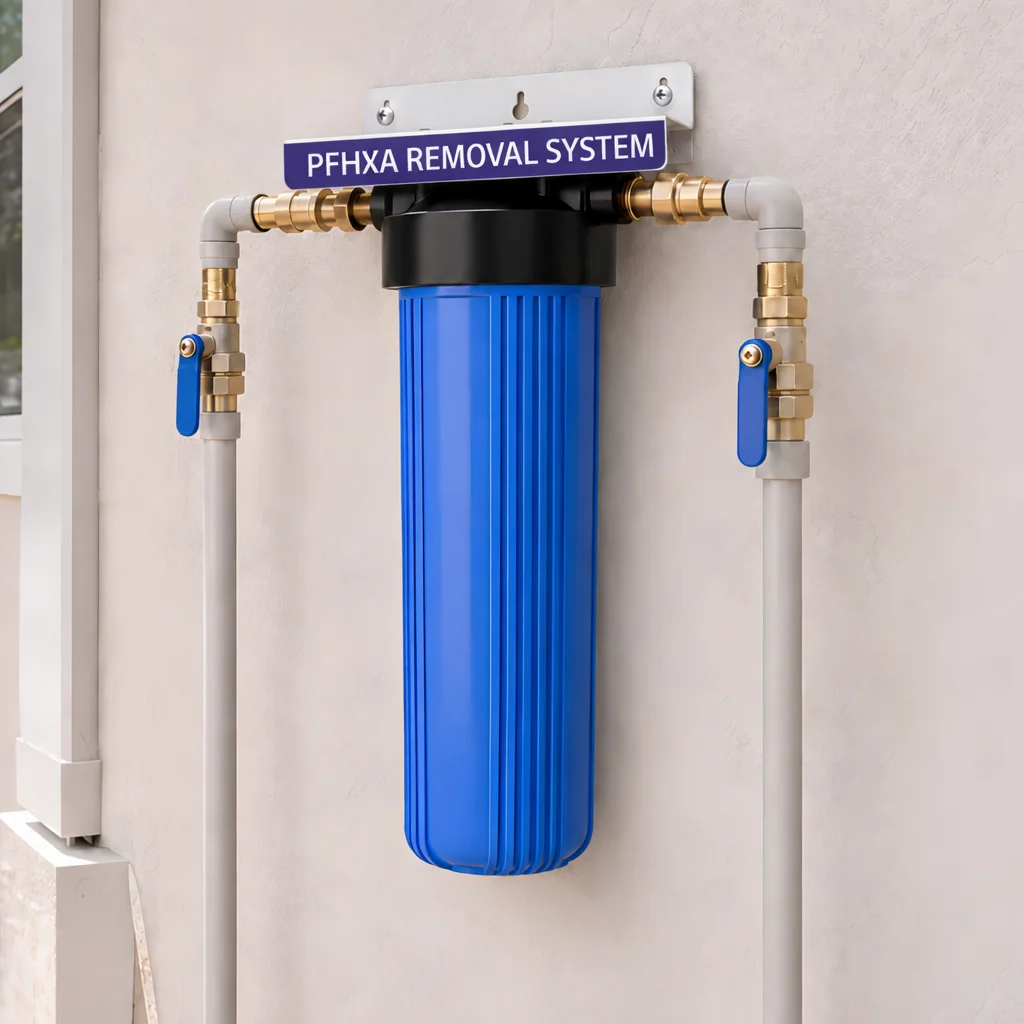
For whole-house reduction of PFHxA, the most effective single filter type is a high-quality activated carbon system—usually granular activated carbon (GAC) sized for adequate contact time. Carbon adsorption is a proven method for removing PFAS as water moves through the media bed. A correctly sized whole-house GAC unit treats water at every tap in your Islamorada property, avoiding the low-flow limits of point-of-use devices; the crucial factors are tank volume and carbon mass matched to your home’s usage so performance remains steady.
A whole-house GAC filter is installed at the main water entry to the home so PFHxA is addressed before reaching plumbing and fixtures. Media choice, bed depth, and service flow rate matter because higher flows shorten contact time and can reduce removal effectiveness. Regular media replacement is essential—saturated carbon won’t keep capturing PFHxA. Mr. Pure Water can assess your Islamorada residence, account for local conditions like occasional hurricane-related outages and coastal corrosion concerns, and size a whole-house carbon system that fits your home and maintenance preferences.
 305-404-8790
 info@bestwaterheater.com

