 Phone: 561-300-5075
 info@bestwaterheater.com
Phone: 561-300-5075
info@bestwaterheater.com
info@bestwaterheater.com
Phone: 561-300-5075
info@bestwaterheater.com
 Phone: 561-300-5075
info@bestwaterheater.com
Phone: 561-300-5075
info@bestwaterheater.com

Including filter system and high-performance PFHxA filter.


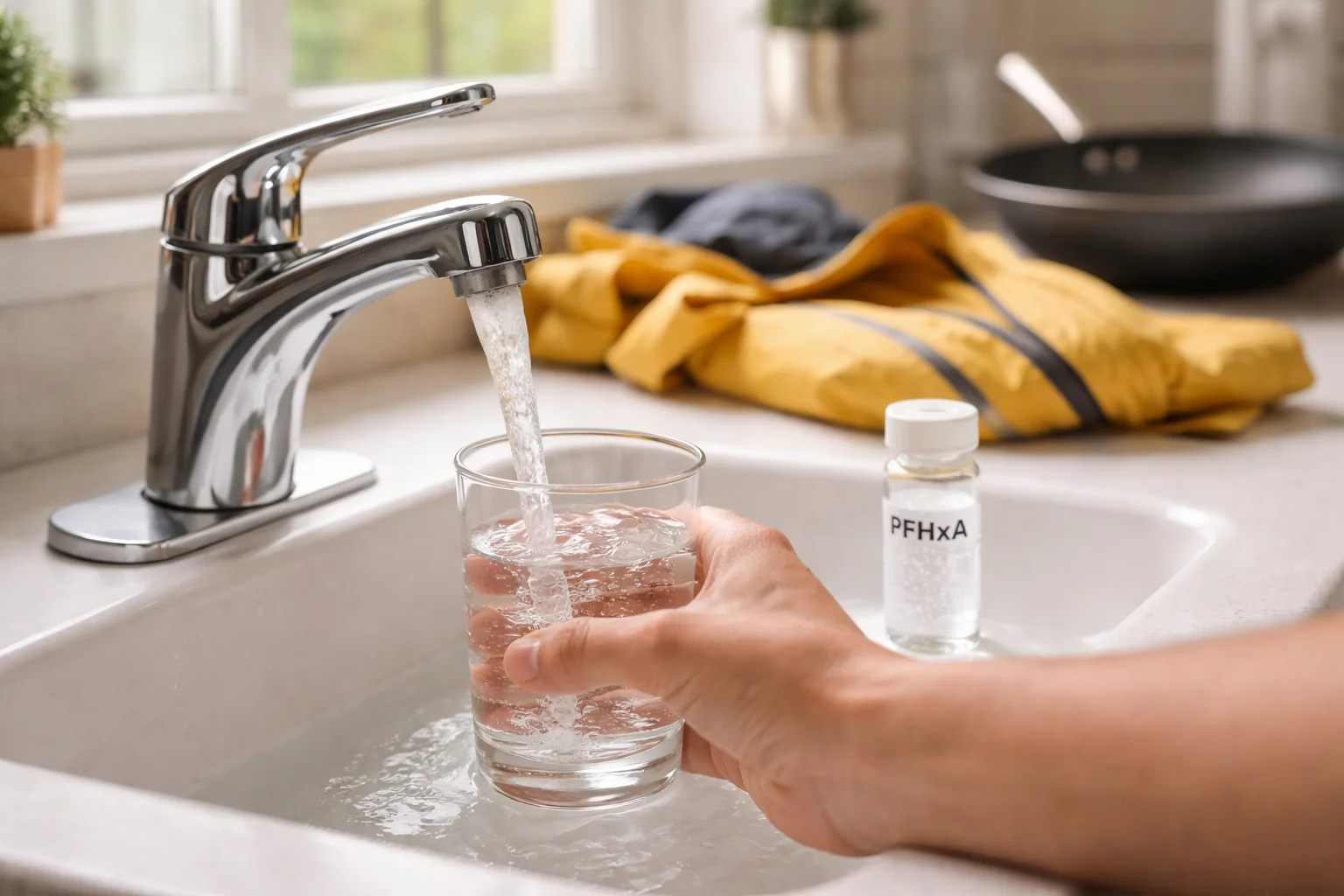
PFHxA is one of the PFAS family members that may appear in drinking water at trace concentrations. Lake Worth homeowners often hear about it from utility notices, local news, or private test results and choose to reduce exposure rather than simply monitor it. Because PFHxA is persistent, treating water at the point it enters your house protects every faucet — from the kitchen to outdoor spigots — not just a single sink.
PFHxA usually won’t change water’s taste, smell, or look, so testing is the only reliable way to know what’s present in your Lake Worth supply. When test results prompt action, the common treatment approach is adsorption media designed to capture PFAS compounds. In South Florida’s hard-water conditions it’s also important to pick a system sized for your household flow so it maintains adequate contact time while handling routine uses like showers, laundry, and irrigation.
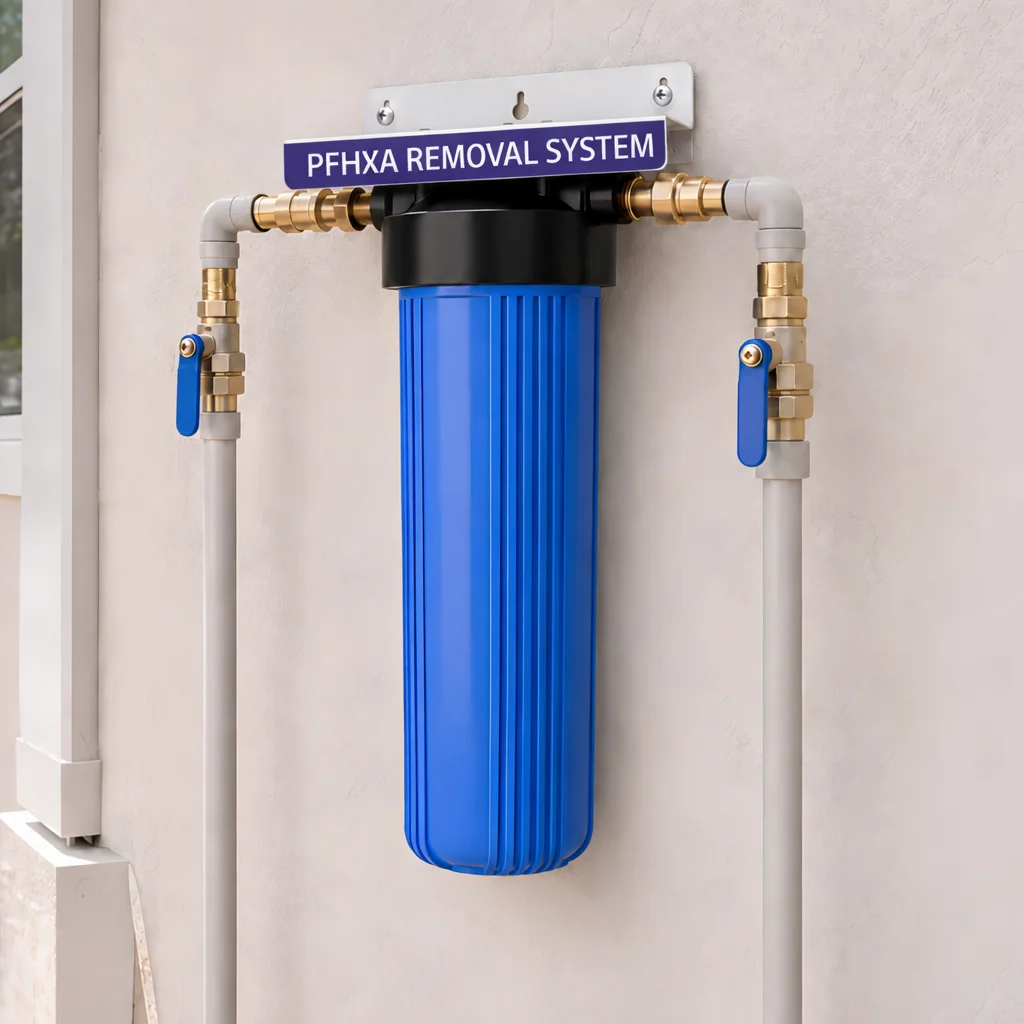
For whole-house PFHxA reduction in Lake Worth homes, the most effective single filter is a well-sized activated carbon unit — typically granular activated carbon (GAC) with enough carbon volume to provide proper contact time. Carbon adsorption is widely used to remove PFAS because the media attracts and holds these molecules as water moves through the bed. A correctly sized whole-house GAC system treats water for every fixture without the flow limits of point-of-use devices, so it’s a practical choice for households in Palm Beach County.
A whole-house GAC filter is placed at the main service line so PFHxA is addressed before water reaches your plumbing or fixtures in neighborhoods like Downtown Lake Worth Beach or Lake Osborne Heights. Media type, bed depth, and the unit’s service flow rate matter because higher flows can shorten contact time and reduce removal. Regular carbon replacement is essential — saturated media won’t keep capturing PFHxA — and Mr. Pure Water can size and install a whole-house carbon system tailored to your Lake Worth home and its maintenance needs.
 561-300-5075
 info@bestwaterheater.com

