 Phone: 407-214-2646
 info@bestwaterheater.com
Phone: 407-214-2646
info@bestwaterheater.com
info@bestwaterheater.com
Phone: 407-214-2646
info@bestwaterheater.com
 Phone: 407-214-2646
info@bestwaterheater.com
Phone: 407-214-2646
info@bestwaterheater.com

Including filter system and high-performance PFHxA filter.


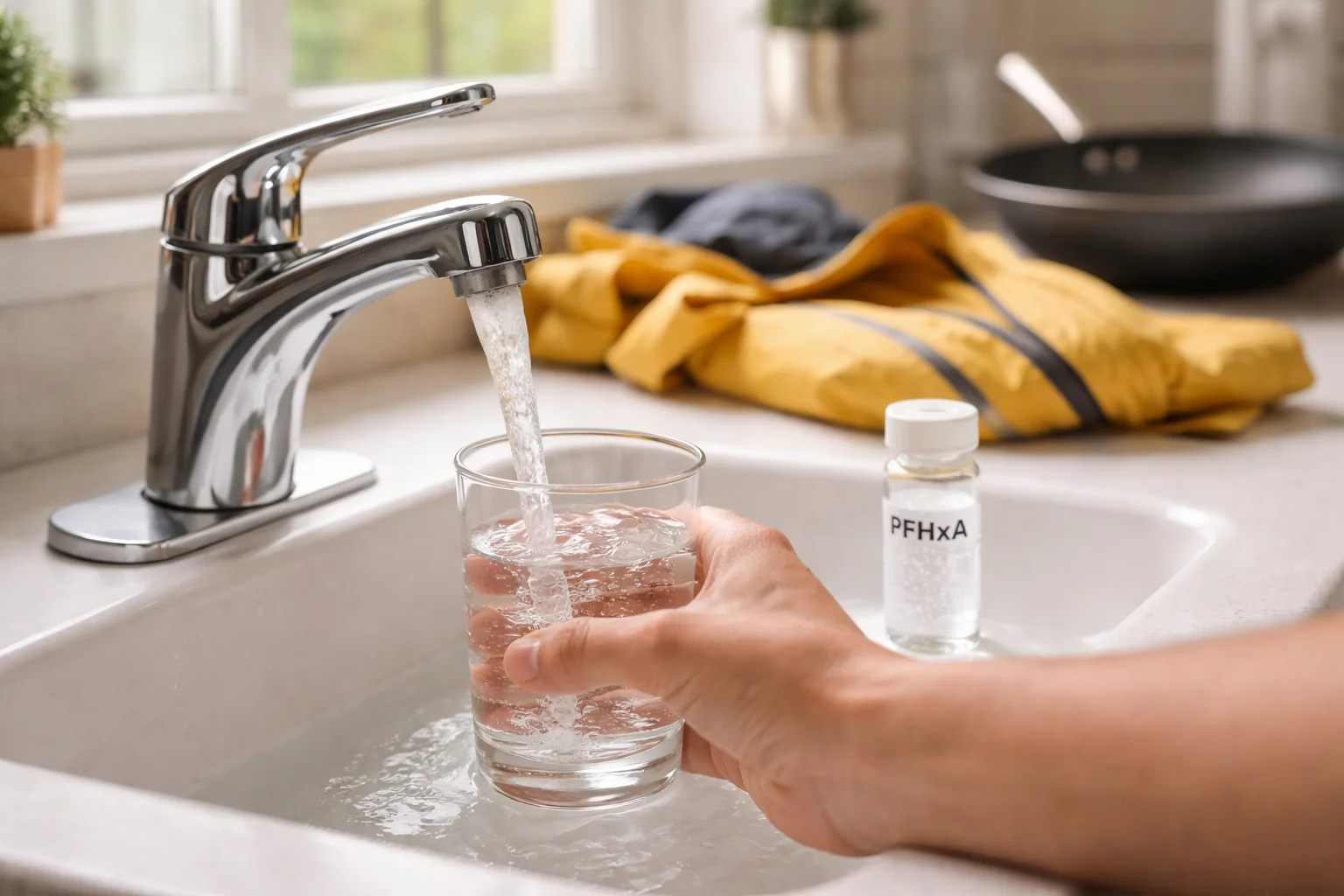
PFHxA is one of the PFAS family and can appear in drinking water at very low concentrations. Plymouth homeowners often hear about it from local notices, news coverage, or private lab results, and many prefer to reduce lingering PFHxA rather than only monitor it. Installing whole-house treatment ensures every faucet in your Apopka/Orlando metro area home—showers, laundry and kitchen included—benefits from reduced exposure.
Because PFHxA usually doesn’t change taste, smell, or clarity, it can be present without visible signs—so testing is the reliable way to know what’s in your supply. In Central Florida’s hard groundwater, testing also helps see if other issues like iron or sulfur need attention alongside PFAS. If results indicate concern, treatment commonly relies on adsorption media that capture PFAS; choosing the right system also means confirming it can handle your household’s flow and daily water use around Plymouth and nearby neighborhoods.
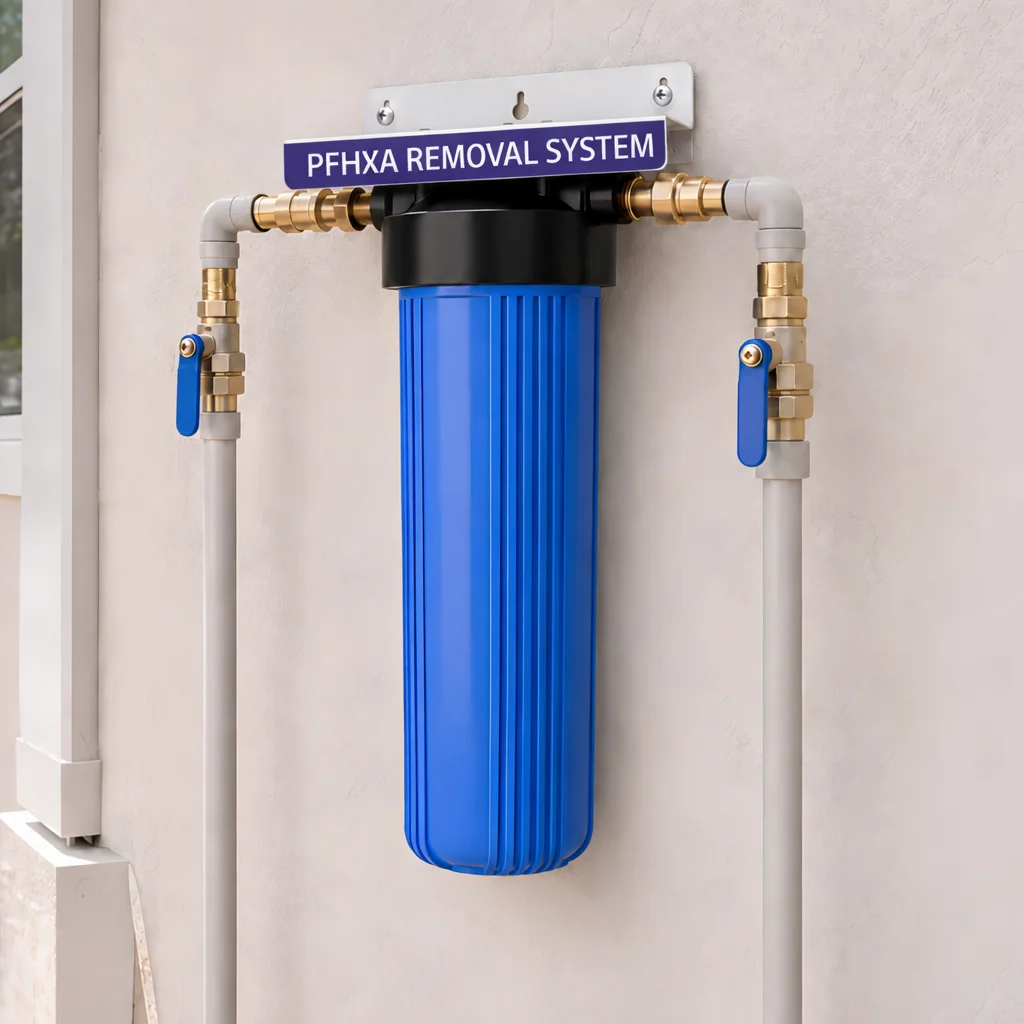
The single most effective whole-house filter type for reducing PFHxA is a quality activated carbon system, generally using granular activated carbon (GAC) with adequate contact time. Carbon adsorption is a common method for PFAS treatment because the media attracts and holds these compounds as water passes through the bed. A properly sized GAC whole-house unit treats all water in the home—showers, laundry and every faucet—without the low-flow limits of point-of-use options, as long as the tank size and carbon volume match your household demand.
A whole-house GAC filter is installed at the main water entry so PFHxA is reduced before it reaches fixtures and water-using appliances, which is helpful in Plymouth’s hard-water conditions where scale can be a concern. Media selection, bed depth and service flow rate are important because high flows reduce contact time and lower removal efficiency, and the carbon media must be replaced on a regular schedule since a saturated bed stops capturing PFHxA effectively. Mr. Pure Water can size and install a whole-house carbon system for your home—making sure it fits local water conditions and stays simple to maintain.
 407-214-2646
 info@bestwaterheater.com

