 Phone: 305-404-8790
 info@bestwaterheater.com
Phone: 305-404-8790
info@bestwaterheater.com
info@bestwaterheater.com
Phone: 305-404-8790
info@bestwaterheater.com
 Phone: 305-404-8790
info@bestwaterheater.com
Phone: 305-404-8790
info@bestwaterheater.com

Including filter system and high-performance PFHxA filter.


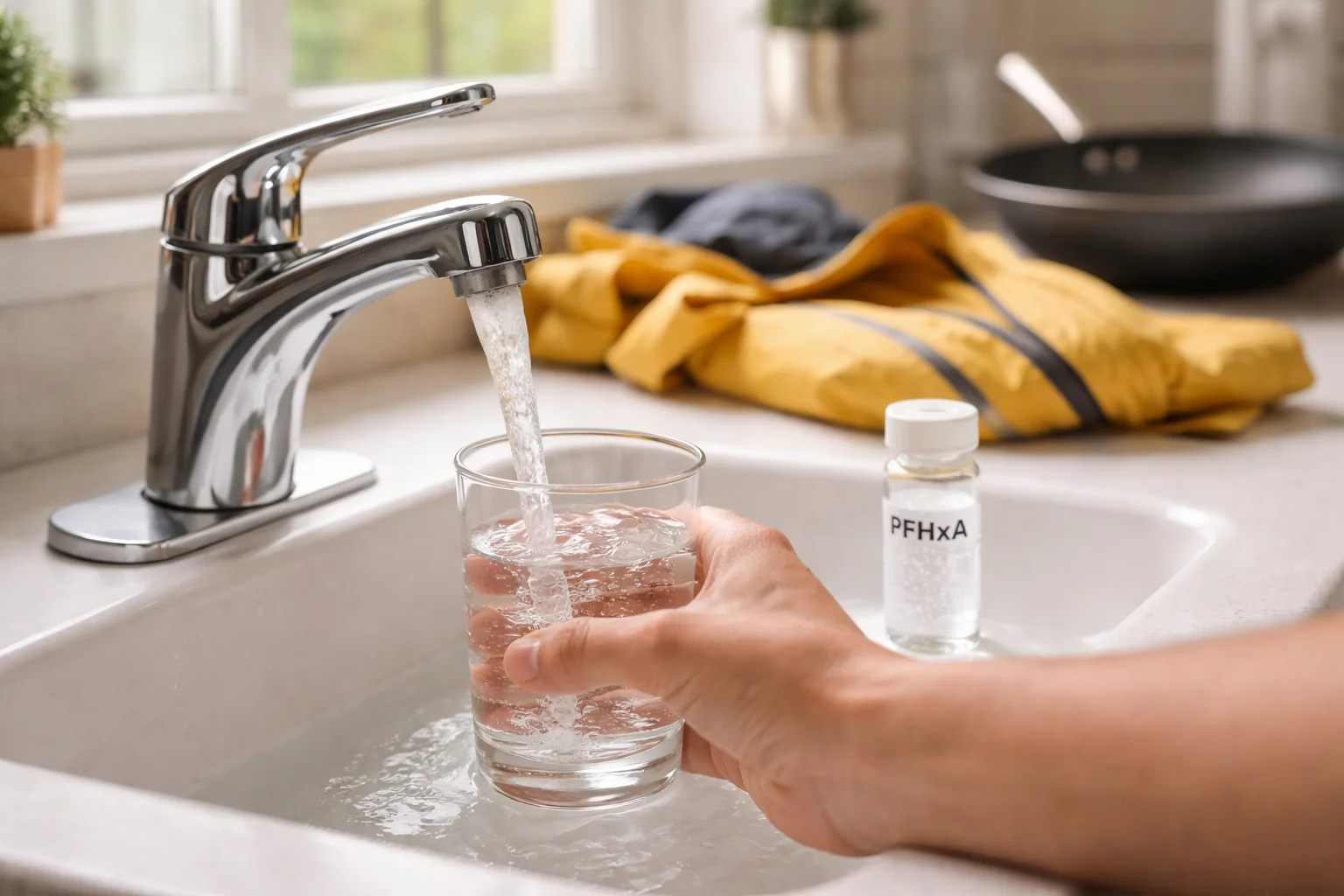
PFHxA is one of the PFAS compounds that can turn up in drinking water at very low concentrations. University Park homeowners often hear about it from local utility communications, regional news, or private water testing. Because PFHxA is persistent in the environment, many families choose to lower their household exposure rather than only track levels. Installing whole-house filtration treats water at every outlet — showers, laundry, and all faucets — instead of just the kitchen sink.
PFHxA usually doesn’t change how water looks, smells, or tastes, so you can’t rely on senses to detect it. That makes testing the reliable step to learn what’s in your supply. When results indicate a need for treatment, systems that use adsorption media are commonly selected to capture PFAS compounds. In Miami-Dade County’s hard-water environment, it’s also important to pick a system sized for your household flow and usage so performance stays steady even with mineral buildup concerns.
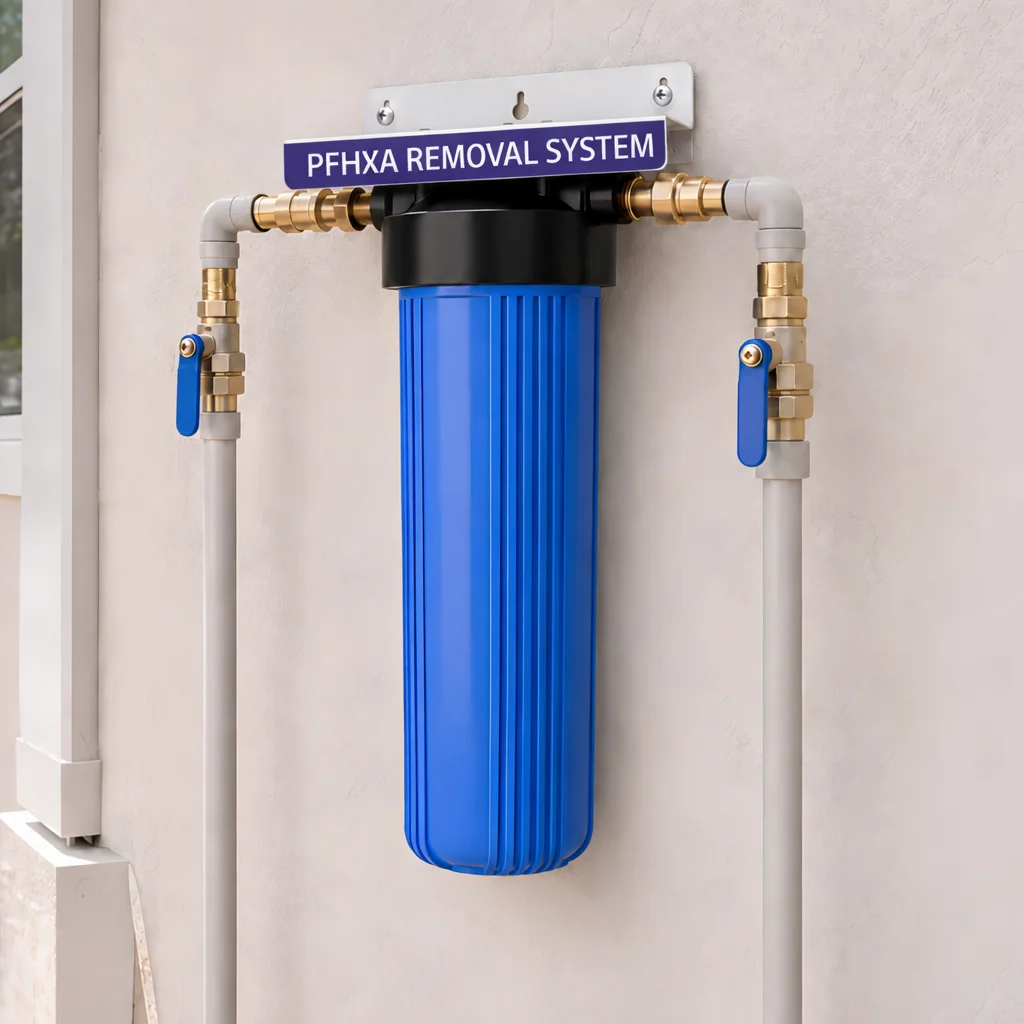
The most effective single filter type for whole-home PFHxA reduction is a quality activated carbon system, usually granular activated carbon (GAC) with adequate contact time. Carbon adsorption is a widely used method for PFAS because the media traps these compounds as water moves through the bed. A correctly sized whole-house GAC unit treats water throughout your University Park property — from showers near FIU to outdoor spigots — without the low-flow restrictions of point-of-use filters; matching tank size and carbon volume to your household demand keeps removal consistent.
A whole-house GAC filter is placed at the main water entry so PFHxA is reduced before reaching your plumbing and fixtures. Media type, bed depth, and service flow rate affect how long water contacts the carbon, and higher flow can shorten contact time and lower removal. Regular media changes are essential because a spent carbon bed won’t continue to capture PFHxA effectively. Mr. Pure Water can help University Park homeowners size and install a whole-house carbon system suited to local conditions and make ongoing maintenance straightforward.
 305-404-8790
 info@bestwaterheater.com

