 Phone: 561-300-5075
 info@bestwaterheater.com
Phone: 561-300-5075
info@bestwaterheater.com
info@bestwaterheater.com
Phone: 561-300-5075
info@bestwaterheater.com
 Phone: 561-300-5075
info@bestwaterheater.com
Phone: 561-300-5075
info@bestwaterheater.com

Including filter system and high-performance PFHxS filter.


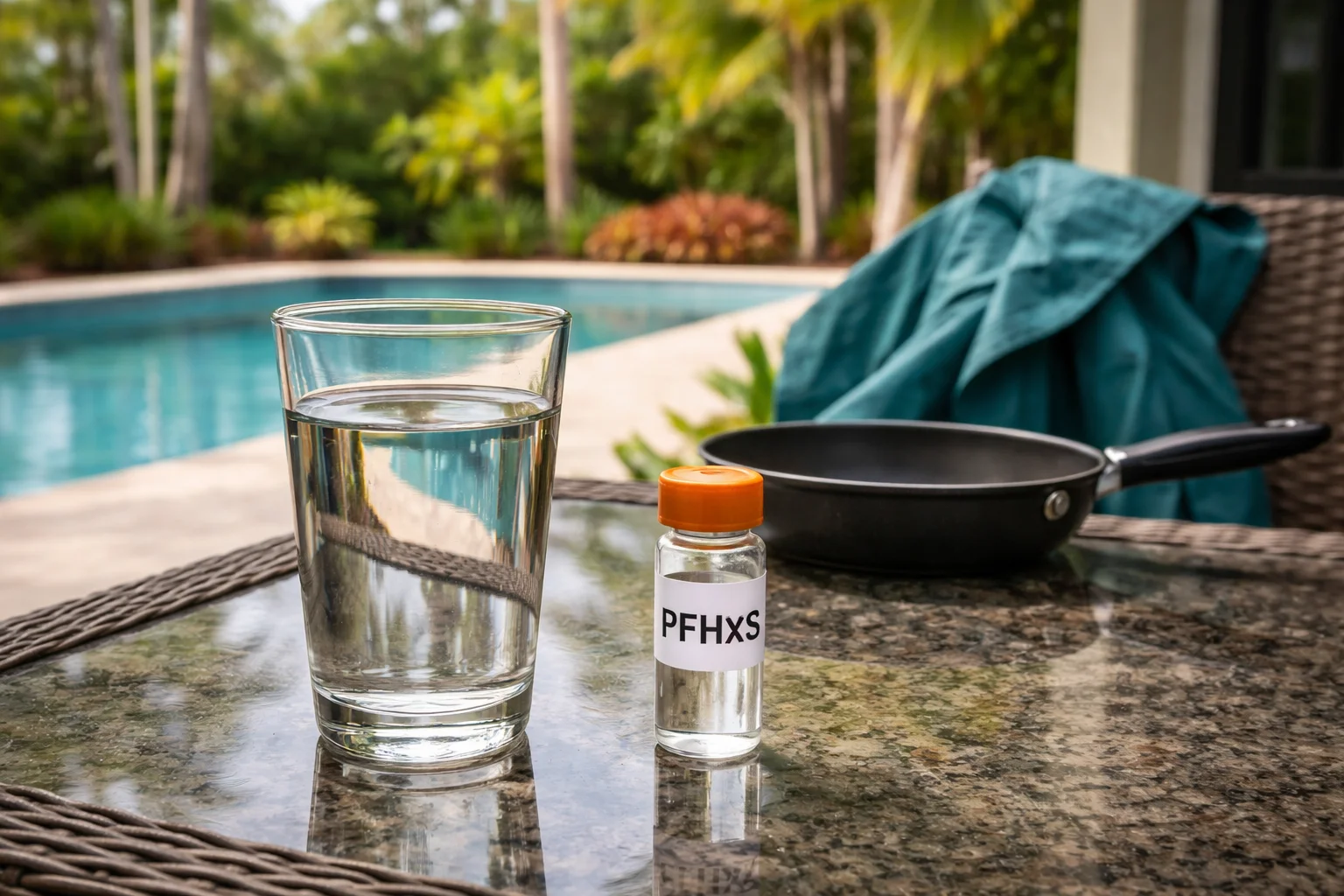
PFHxS is one member of the PFAS family, often called a “forever chemical” because it can remain in the environment for a long time. In Aberdeen, homeowners may hear about PFHxS when utility or private testing highlights individual PFAS compounds on water quality reports. Because PFHxS has no taste, smell, or color, it won’t be obvious at the tap without testing — which is why many local residents choose point-of-entry treatment to take control of what comes into their homes.
PFHxS has been linked to industrial uses of PFAS, so it can appear dissolved in water and be harder to remove than simple particles. Basic pitcher filters or sediment cartridges can reduce visible debris but aren’t built to reliably remove dissolved PFAS like PFHxS. That’s why many Aberdeen homeowners prefer a system that treats all household water — for cooking, drinking, bathing, and laundry — instead of relying on a single point-of-use fixture.
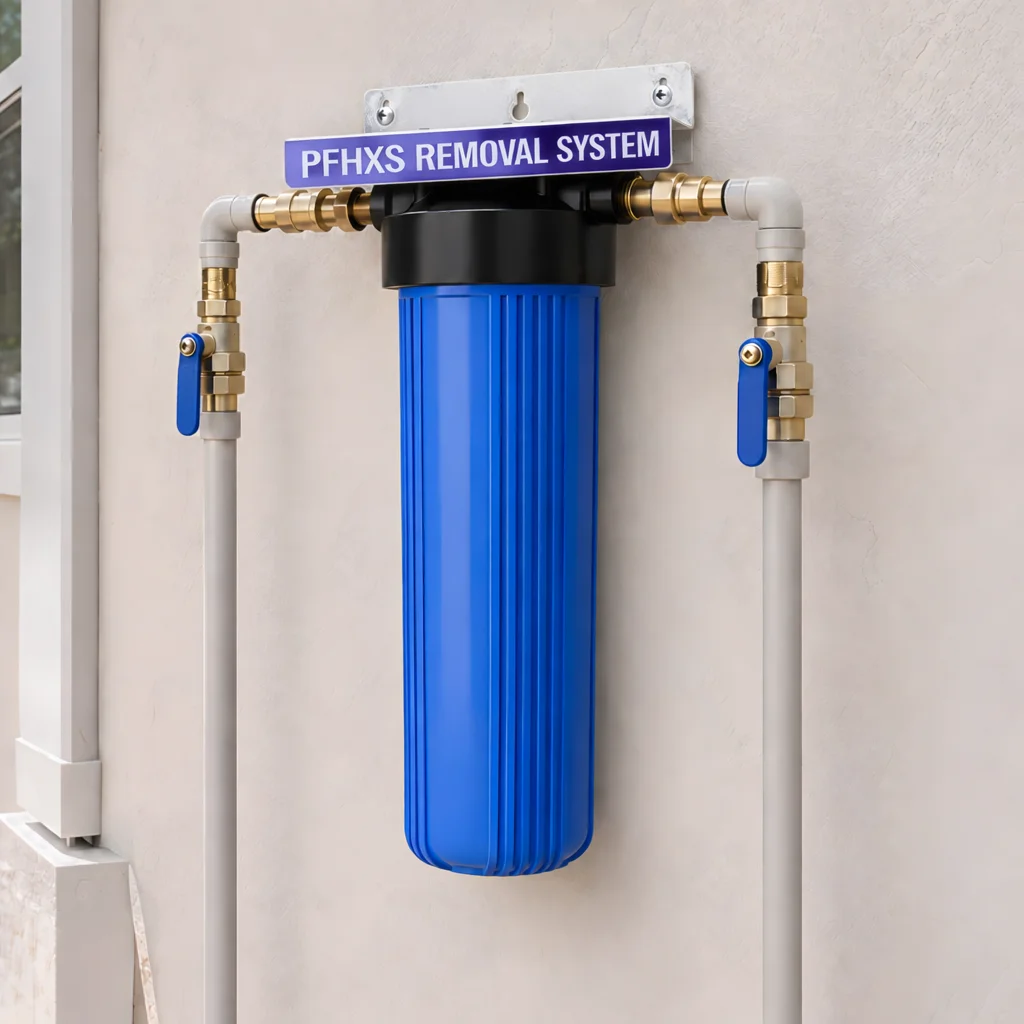
The filter type most commonly recommended for PFHxS is a whole-house activated carbon system, ideally using high-capacity granular activated carbon (GAC). Activated carbon captures many organic contaminants, including certain PFAS, by adsorption. In a whole-house arrangement the important factor is contact time: giving Aberdeen’s hard water enough time against the carbon increases the chance PFHxS will bind to the media. A correctly sized GAC tank installed at the main line treats water before it reaches any tap or appliance.
At Mr. Pure Water we design whole-house carbon systems for real homes, paying attention to flow rate, bed depth, and media volume rather than relying on a small cartridge. That approach matters in Aberdeen, where hard water and typical South Florida usage patterns can influence scale and system loading. We’ll size the GAC tank to match your household demand so you get consistent PFHxS reduction without losing water pressure — a practical choice when you want protection at every faucet.
 561-300-5075
 info@bestwaterheater.com

