 Phone: 561-300-5075
 info@bestwaterheater.com
Phone: 561-300-5075
info@bestwaterheater.com
info@bestwaterheater.com
Phone: 561-300-5075
info@bestwaterheater.com
 Phone: 561-300-5075
info@bestwaterheater.com
Phone: 561-300-5075
info@bestwaterheater.com

Including filter system and high-performance PFHxS filter.


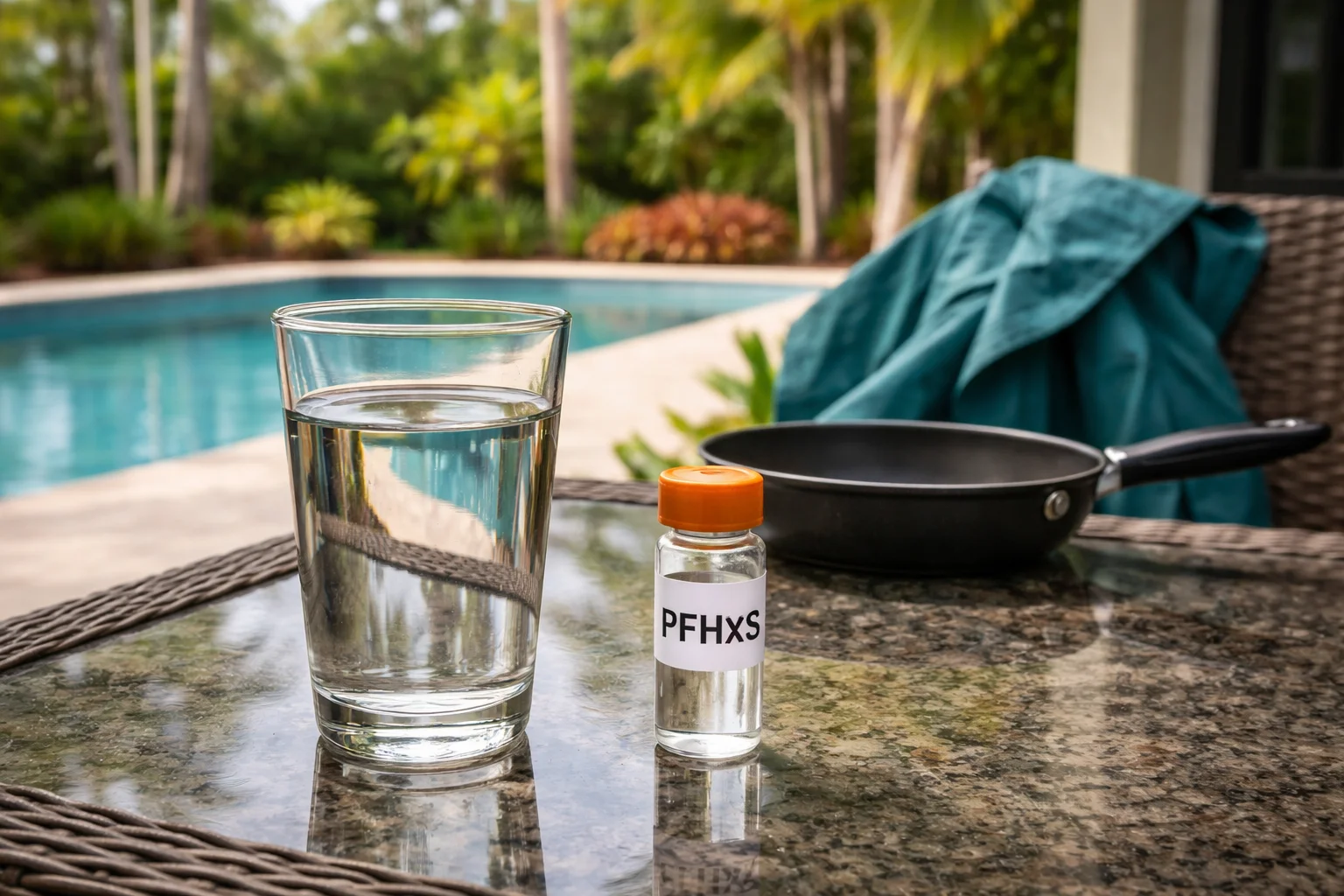
PFHxS is one member of the PFAS family, often called a “forever chemical” because it can linger in the environment for a long time. Cloud Lake homeowners may see PFHxS show up on water quality reports or utility testing as local agencies screen for individual PFAS compounds. Because PFHxS has no distinctive smell, taste, or appearance, it usually goes unnoticed unless you test for it — and many residents choose point-of-entry treatment to take control of what comes into their homes.
PFHxS has been linked to industrial uses and products containing PFAS, so it can appear in water supplies at low concentrations and be hard to remove with basic filters. Simple pitchers or sediment cartridges can catch particles but aren’t engineered to reliably reduce dissolved PFAS like PFHxS. That’s why many Cloud Lake homeowners prefer a whole-house system — it treats water used for drinking, cooking, bathing, and laundry so you don’t end up with clean water at only one faucet.
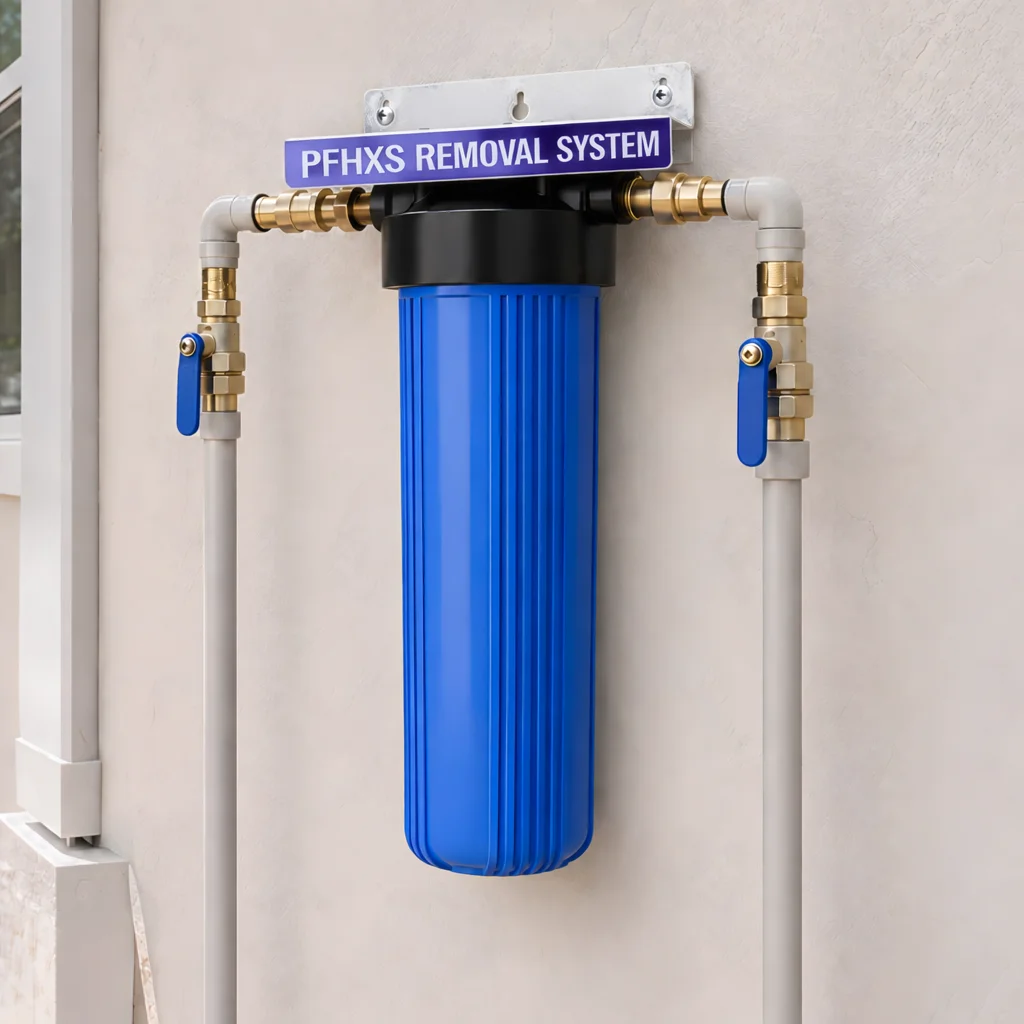
The single filter type most often recommended to address PFHxS is a whole-house activated carbon system that uses high-capacity granular activated carbon (GAC). Activated carbon’s porous structure adsorbs many organic compounds, including certain PFAS, and a correctly sized GAC tank installed at the main line gives the water the contact time needed for PFHxS to bind to the media before reaching fixtures in Cloud Lake.
At Mr. Pure Water we design whole-house carbon systems around real household needs — factoring flow rate, bed depth, and media volume so the carbon has sufficient contact time and doesn’t load up too quickly. In Cloud Lake and other parts of Palm Beach County where hard water and seasonal storm events can affect plumbing, matching the GAC system to your home’s usage and pipes keeps pressure steady and provides consistent PFHxS reduction throughout the house.
 561-300-5075
 info@bestwaterheater.com

