 Phone: 407-214-2646
 info@bestwaterheater.com
Phone: 407-214-2646
info@bestwaterheater.com
info@bestwaterheater.com
Phone: 407-214-2646
info@bestwaterheater.com
 Phone: 407-214-2646
info@bestwaterheater.com
Phone: 407-214-2646
info@bestwaterheater.com

Including filter system and high-performance PFHxS filter.


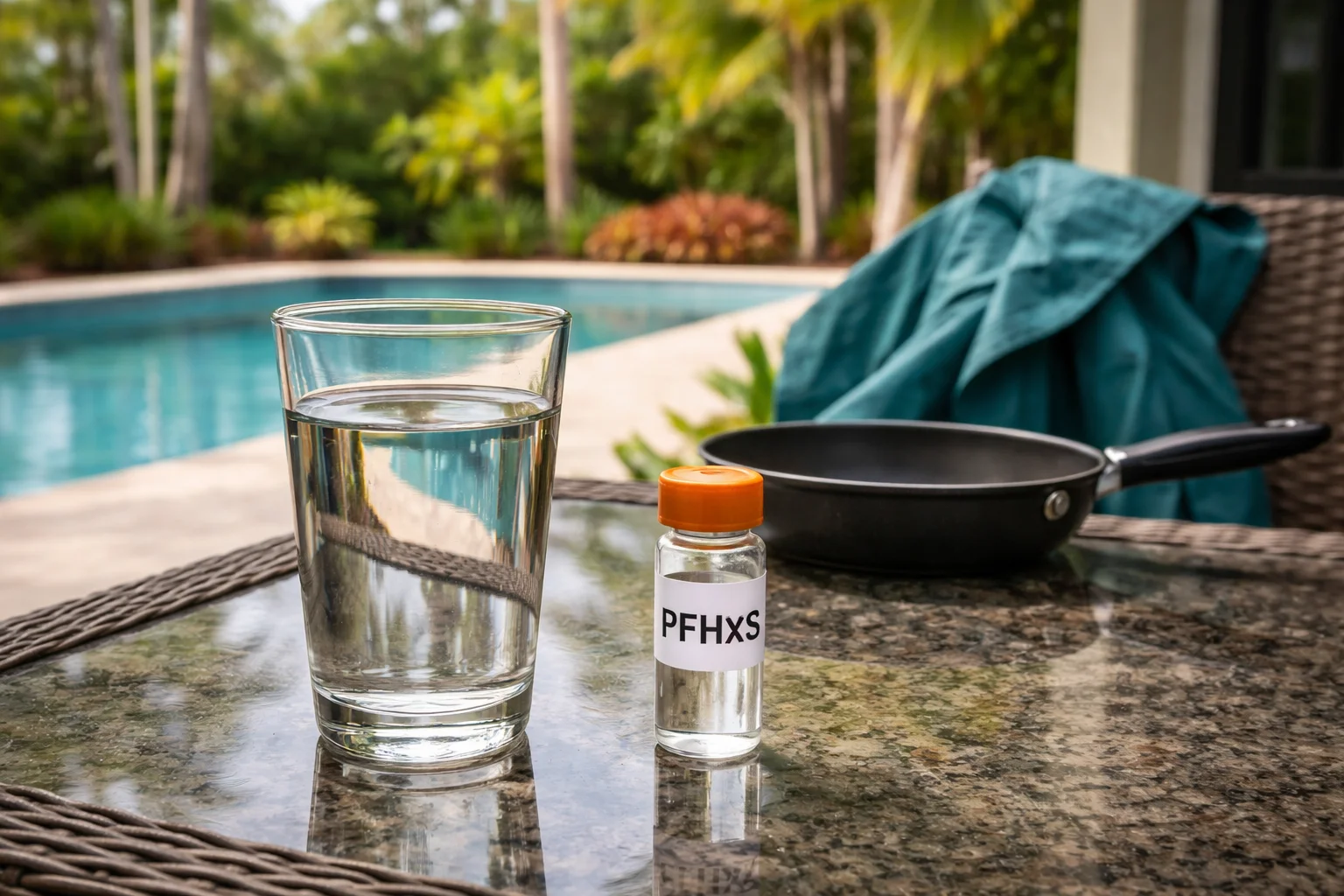
PFHxS is one of the PFAS compounds often called a “forever chemical” because it lingers in the environment. In Lake Mary Jane, homeowners may see PFHxS show up on utility tests or detailed water reports, but you won’t detect it by smell, taste, or sight—testing is the only way to know. If you want greater control over the water entering your home, installing a point-of-entry system that treats all incoming water is a practical way to reduce unseen contaminants.
Because PFHxS has been linked to industrial uses of PFAS, it can be present at low concentrations and isn’t easily removed by basic filters. Small pitcher filters or sediment cartridges can help with particulates, but they aren’t designed to reliably reduce dissolved PFAS. Many Lake Mary Jane residents choose a whole-house solution so every faucet, shower, and appliance—rather than just one tap—benefits from consistent treatment.
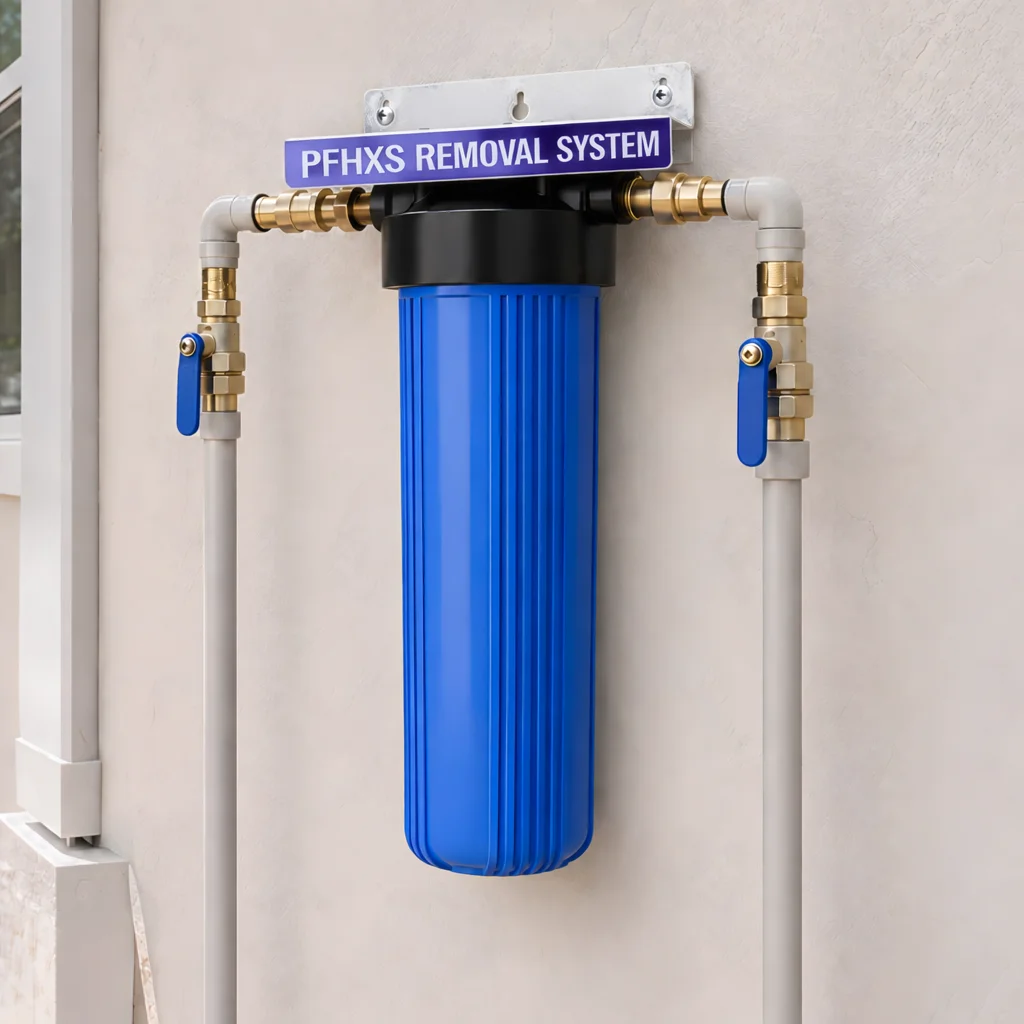
The most commonly recommended single option for PFHxS removal is a whole-house activated carbon system using high-capacity granular activated carbon (GAC). Activated carbon adsorbs various organic compounds, including certain PFAS, and in a whole-house configuration it’s important to provide adequate contact time so PFHxS can bind to the media. A correctly sized GAC tank installed at the main water line treats water before it reaches fixtures throughout your Lake Mary Jane home.
At Mr. Pure Water we design whole-house carbon systems around real household needs—flow rate, bed depth, and media volume—rather than depending on a small cartridge to handle a big job. That matters for Lake Mary Jane homes, where hard, mineral-rich groundwater can encourage limescale and affects how systems operate. We’ll size the GAC tank and match it to your plumbing and usage so you get steady filtration without losing pressure; for treating PFHxS throughout the house, a dedicated whole-house GAC system is the clear, practical choice.
 407-214-2646
 info@bestwaterheater.com

