 Phone: 850-772-1365
 info@bestwaterheater.com
Phone: 850-772-1365
info@bestwaterheater.com
info@bestwaterheater.com
Phone: 850-772-1365
info@bestwaterheater.com
 Phone: 850-772-1365
info@bestwaterheater.com
Phone: 850-772-1365
info@bestwaterheater.com

Including filter system and high-performance PFOA filter.


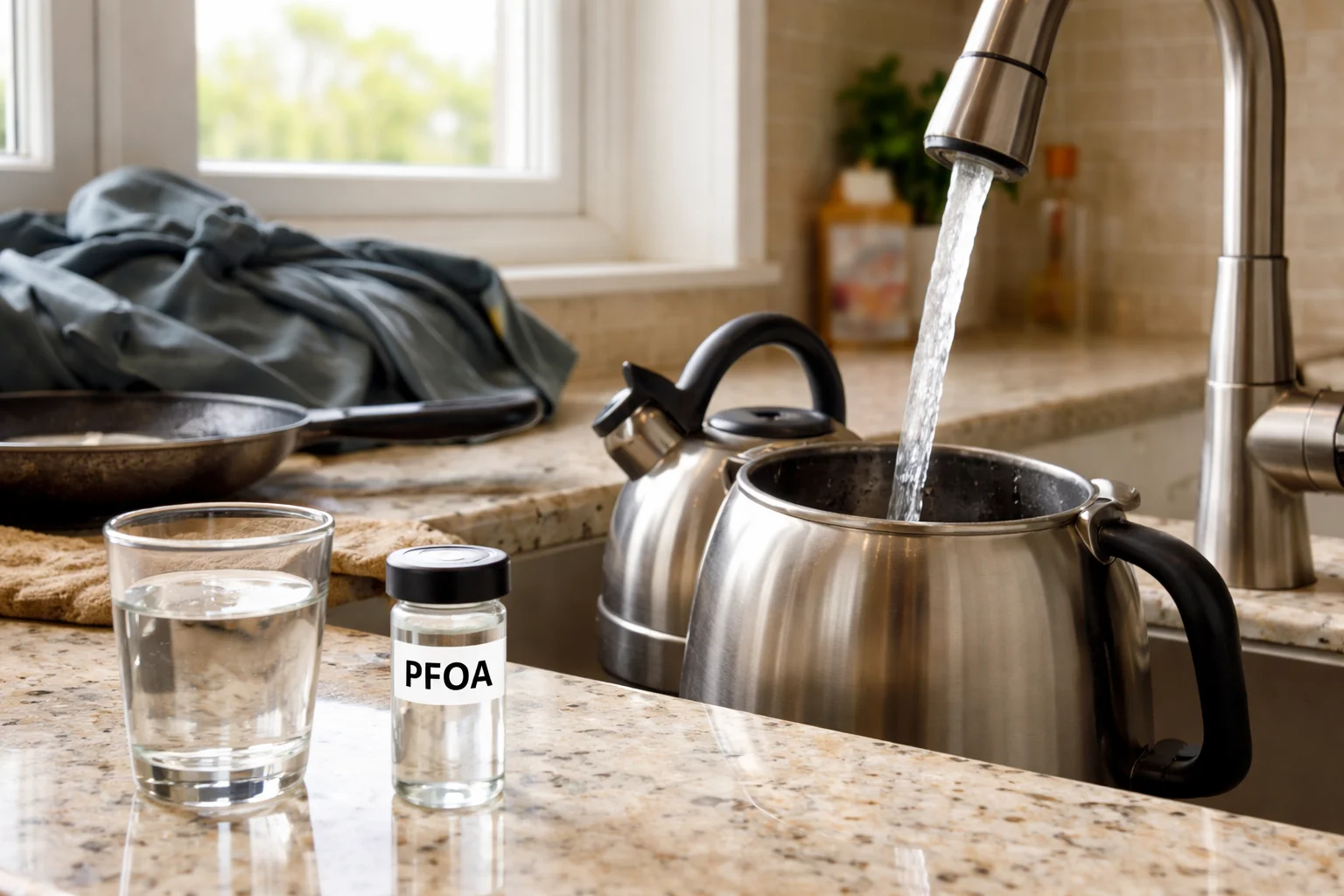
PFOA is a synthetic PFAS chemical that can enter drinking water via industrial pathways and the long-lasting breakdown of older products in the environment. Because it degrades very slowly, it can remain in water supplies long after the original release. You usually can’t see, smell, or taste PFOA at home, so testing is the only reliable way to find it. For Bahama Beach homeowners worried about PFOA, the first step in treatment is understanding how this compound behaves in water so you can choose the right solution.
Clear, pleasant-tasting water in your Bahama Beach house can still contain trace contaminants like PFOA that typical filters don’t address. Sediment cartridges shield plumbing from grit, and softeners tackle hard minerals, but neither is effective against dissolved PFAS chemicals. That’s why many local families prefer a whole-house strategy — it delivers treated water for cooking, bathing, and laundry, not only from a single faucet.
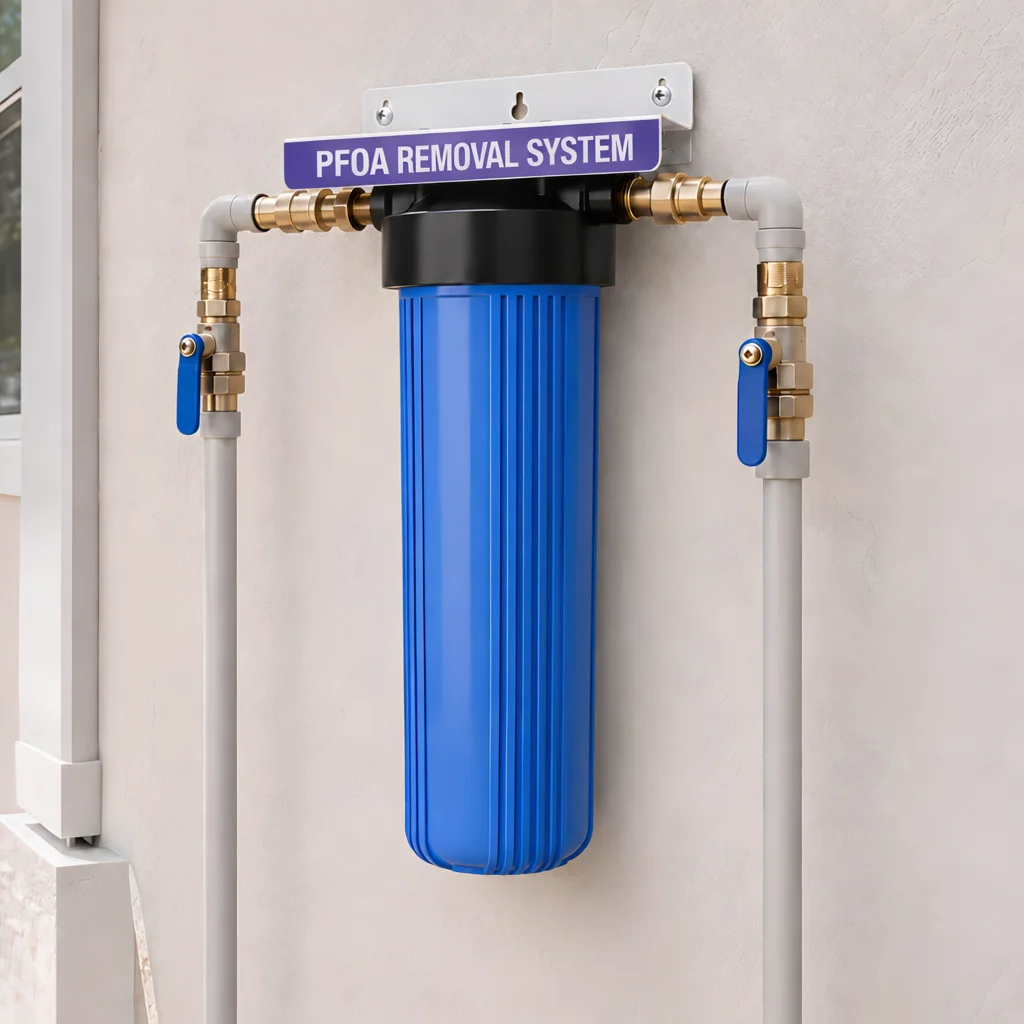
For whole-home reduction of PFOA, a granular activated carbon (GAC) whole-house filter is generally the most effective single-filter option. GAC media can adsorb PFAS compounds, including PFOA, when water passes through a correctly sized tank that provides sufficient contact time. Success depends on selecting the right carbon grade and designing the system so flow rates and capacity don’t undercut performance when multiple fixtures run in your Bahama Beach home. With proper selection and upkeep, a whole-house GAC unit can help lower PFOA exposure throughout the house.
Because PFOA is dissolved rather than particulate, you need more than a small taste-and-odor cartridge to achieve meaningful removal. A professionally sized whole-house GAC tank offers greater capacity and longer contact time than point-of-use filters, which can be overwhelmed by whole-home demand. Carbon eventually reaches its adsorption limit and must be replaced on schedule to maintain effectiveness. Mr. Pure Water works with Bahama Beach homeowners to size and maintain whole-house carbon systems so PFOA reduction stays dependable over time.
 850-772-1365
 info@bestwaterheater.com

