 Phone: 305-404-8790
 info@bestwaterheater.com
Phone: 305-404-8790
info@bestwaterheater.com
info@bestwaterheater.com
Phone: 305-404-8790
info@bestwaterheater.com
 Phone: 305-404-8790
info@bestwaterheater.com
Phone: 305-404-8790
info@bestwaterheater.com

Including filter system and high-performance PFOA filter.


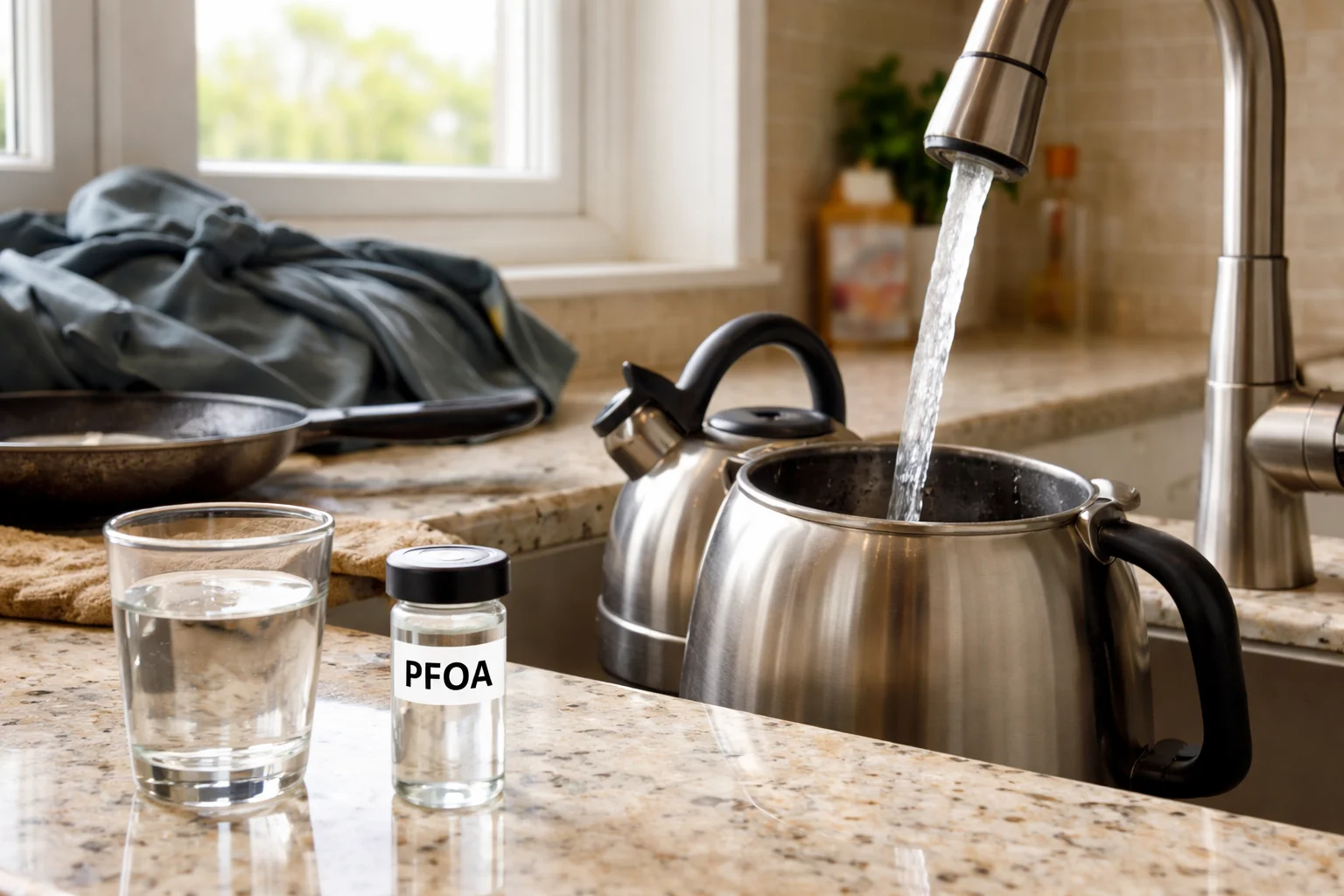
PFOA is a persistent, human-made PFAS compound that can end up in drinking water through past industrial uses and long-lasting consumer products. Because it degrades very slowly, it can remain in water supplies long after the original release. Homeowners in Big Pine Key usually can’t detect PFOA by sight, smell, or taste, so testing is the typical way to find it. If you’re worried about PFOA in your Big Pine Key house—whether you’re on treated municipal water or a private cistern/RO system—knowing how the contaminant behaves in water is the first step toward choosing effective treatment.
Clear, pleasant-tasting water in Big Pine Key doesn’t guarantee it’s free of dissolved contaminants such as PFOA, and many common filters won’t remove PFAS. Basic sediment cartridges catch grit and protect plumbing, and water softeners address minerals from moderate hardness, but neither targets dissolved PFOA. That’s why many Keys homeowners prefer a whole-house solution that treats water used for cooking, bathing, and laundry across the property rather than only at a single faucet.
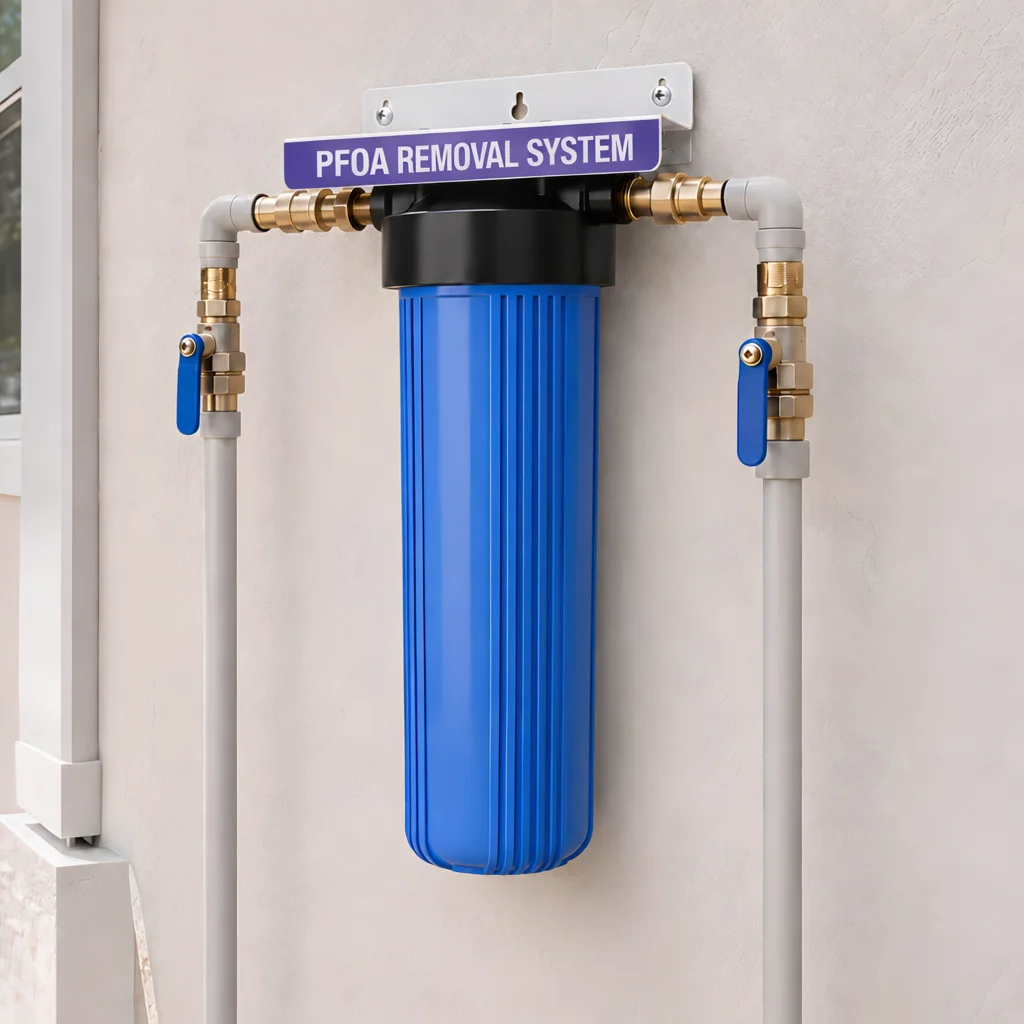
For reducing PFOA throughout the home, a whole-house granular activated carbon (GAC) filter is widely recognized as the most effective single-filter option. Properly sized GAC media can adsorb PFAS compounds like PFOA as water passes through a tank with sufficient contact time. In Big Pine Key, a system must be designed to balance household flow—especially during busy times—with the right grade and volume of carbon so performance isn’t compromised when multiple fixtures run simultaneously.
Because PFOA is dissolved rather than particulate, a simple taste-and-odor cartridge won’t provide meaningful removal for Big Pine Key homes. A professionally sized whole-house GAC tank offers greater capacity and contact time than small point-of-use filters, and it’s important to replace carbon on schedule since adsorption capacity is limited. Mr. Pure Water can help Big Pine Key residents choose and maintain the correct whole-house carbon setup, keeping PFOA reduction dependable through coastal conditions and hurricane season preparedness.
 305-404-8790
 info@bestwaterheater.com

