 Phone: 305-404-8790
 info@bestwaterheater.com
Phone: 305-404-8790
info@bestwaterheater.com
info@bestwaterheater.com
Phone: 305-404-8790
info@bestwaterheater.com
 Phone: 305-404-8790
info@bestwaterheater.com
Phone: 305-404-8790
info@bestwaterheater.com

Including filter system and high-performance PFOA filter.


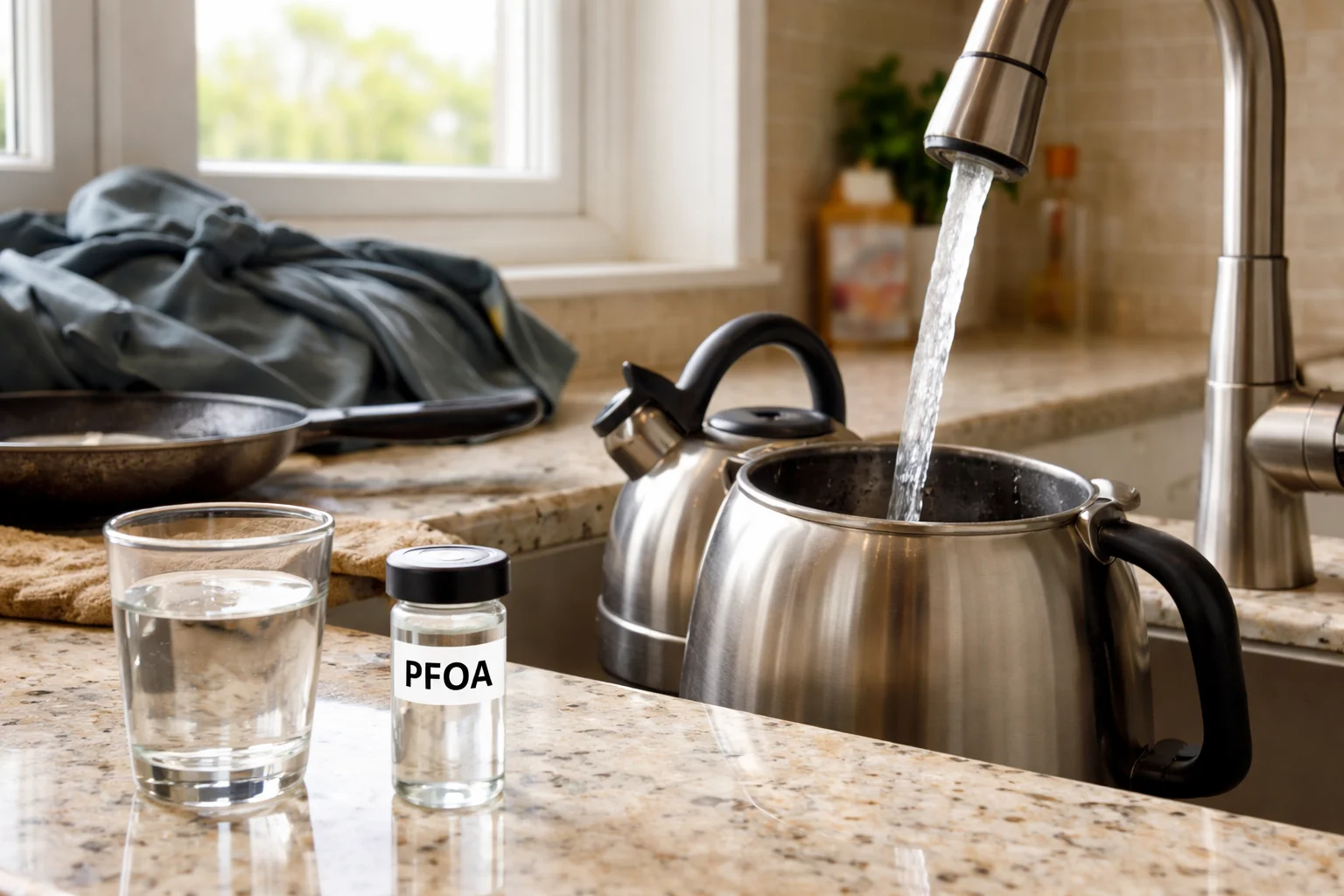
PFOA is a synthetic PFAS compound that can enter drinking water from past industrial uses and long-lasting products in the environment. Because it degrades very slowly, it can remain in water supplies long after releases stop, and you usually can’t see, smell, or taste it—testing is how it’s found. If you live in Tavernier or elsewhere in Monroe County and worry about PFOA, the first step to reducing risk around your house is understanding how the chemical behaves in water and why ordinary filters may not remove it.
Water that looks clean in Tavernier—whether in Hammer Point, Blue Waters, or along the Overseas Heritage Trail—can still contain dissolved contaminants like PFOA that basic systems won’t capture. Sediment filters stop grit and softeners tackle hardness, but neither is designed to remove dissolved PFAS. Many homeowners prefer a whole-house solution so treated water reaches showers, laundry, and all faucets, rather than relying only on a single under-sink unit.
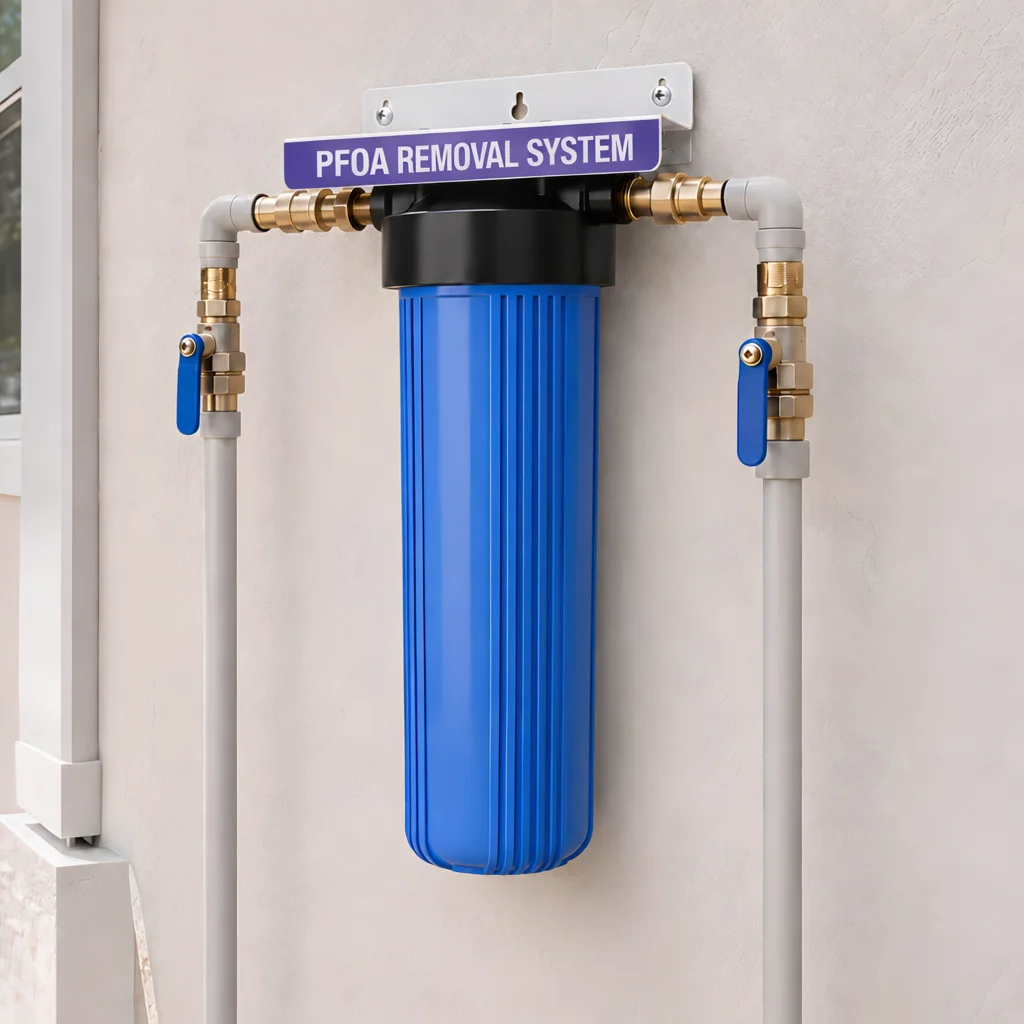
For whole-home reduction of PFOA, a properly sized granular activated carbon (GAC) filter is the most effective single-filter choice. Carbon media adsorbs PFAS compounds, including PFOA, when water spends enough time passing through the tank. The system must use the right carbon grade and be designed so flow rates during busy household use—especially in hard-water areas like Tavernier that can strain plumbing—don’t compromise contact time. With correct selection and installation, a GAC whole-house filter can help lower PFOA exposure at every tap.
Because PFOA is dissolved rather than particulate, a simple taste-and-odor cartridge won’t deliver meaningful removal; you need a whole-house GAC tank sized for your home’s flow and peak use. These larger systems provide the longer contact time and greater capacity that small point-of-use cartridges lack, and regular cartridge or media replacement is important because carbon eventually becomes exhausted. Mr. Pure Water works with Tavernier homeowners to size and maintain whole-house carbon systems so PFOA reduction is consistent, even through humid wet seasons and occasional storm-related water advisories.
 305-404-8790
 info@bestwaterheater.com

