 Phone: 561-300-5075
 info@bestwaterheater.com
Phone: 561-300-5075
info@bestwaterheater.com
info@bestwaterheater.com
Phone: 561-300-5075
info@bestwaterheater.com
 Phone: 561-300-5075
info@bestwaterheater.com
Phone: 561-300-5075
info@bestwaterheater.com

Including filter system and high-performance PFOS filter.


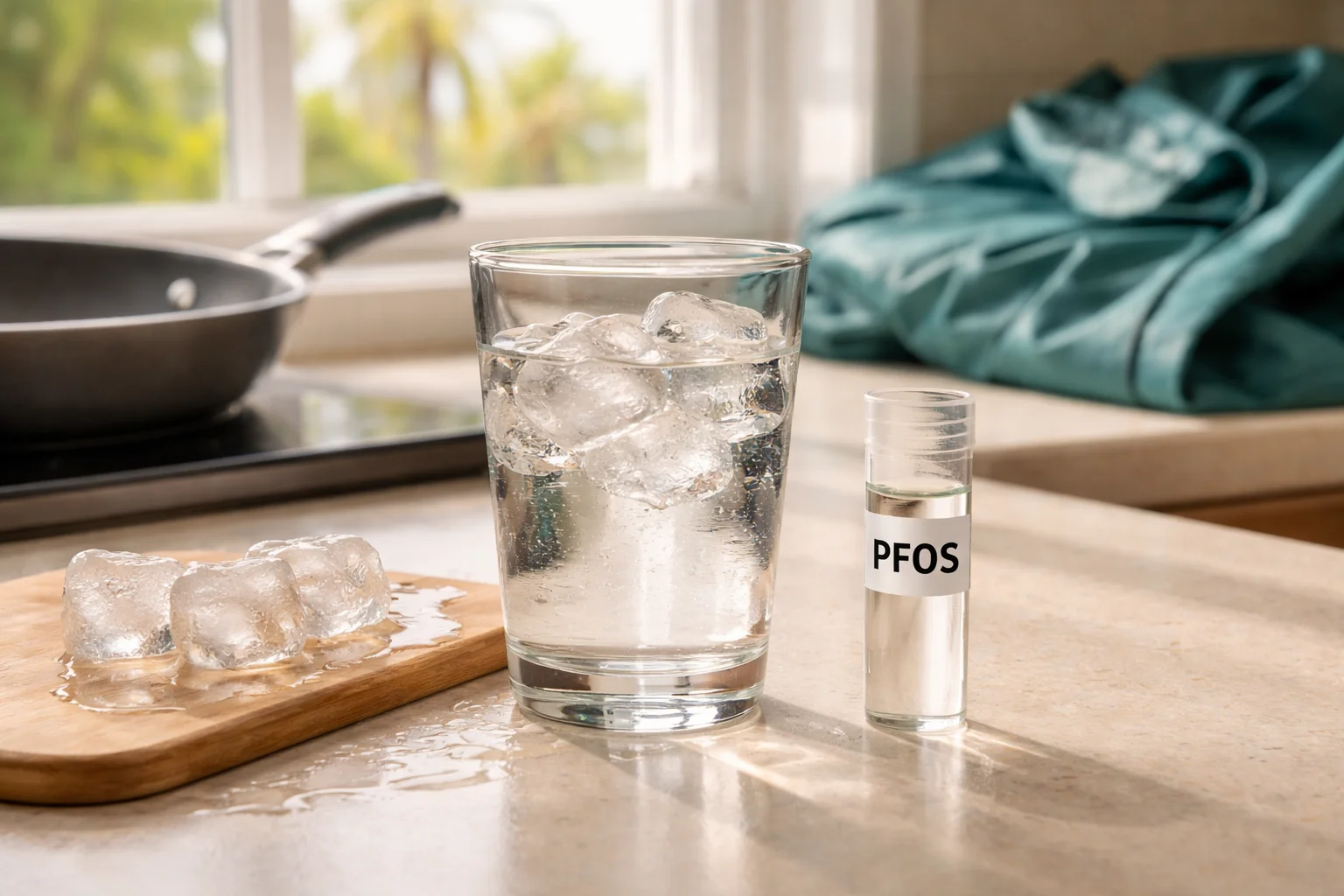
PFOS is a type of PFAS sometimes found in drinking water and it tends to persist in the environment for a long time. Because it does not break down easily, even small introductions over time can lead to ongoing presence in a water supply. Homeowners often learn about PFOS through local water quality reports, news coverage, or a home water test. If you are concerned, the good next step is confirming what is in your water and choosing treatment that targets PFAS specifically.
Unlike taste and odor issues such as chlorine, PFOS is typically not something you can see or smell. That can make it frustrating to judge risk based on how the water looks at the tap. PFOS is usually discussed as a long-term exposure concern rather than an immediate nuisance. A practical approach is to treat the water at the point where it enters the home so the reduction applies to drinking, cooking, bathing, and laundry.
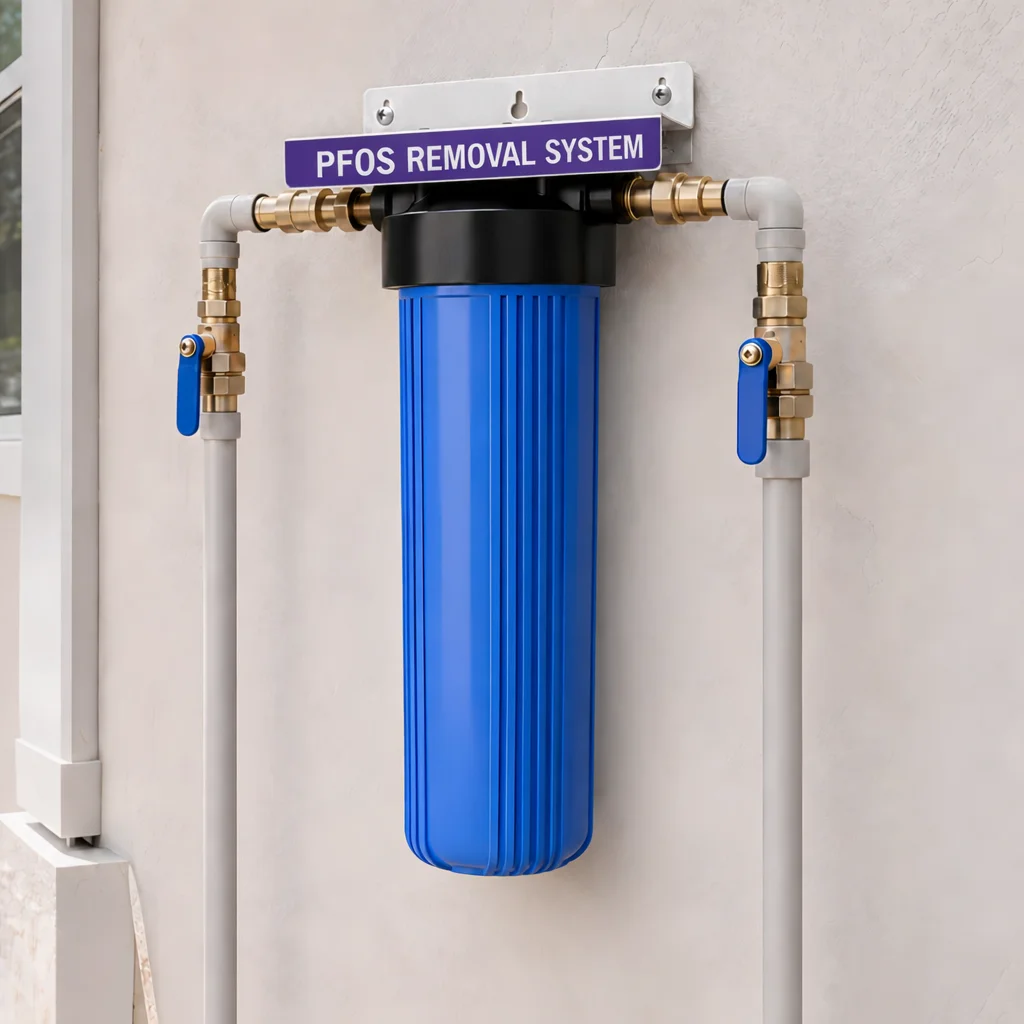
For whole-house PFOS reduction, the single most effective filter type is high-capacity granular activated carbon (GAC) designed for PFAS. Carbon works by adsorbing PFOS onto a large internal surface area as water passes through. Because PFOS is more challenging than many common taste-and-odor compounds, media quality, bed depth, and proper flow rates matter. A correctly sized whole-house GAC system can treat the entire home without relying on multiple small under-sink units.
A whole-house GAC filter is installed on the main line so every faucet and fixture receives treated water. To keep PFOS reduction consistent, the system should be sized to your household’s peak flow demand and maintained with on-time media changeouts. Mr. Pure Water can recommend a whole-house carbon configuration that’s appropriate for PFOS and fits your home’s plumbing and usage. If you want added confidence, periodic water testing before and after treatment helps verify performance over time.
 561-300-5075
 info@bestwaterheater.com

