 Phone: 850-772-1365
 info@bestwaterheater.com
Phone: 850-772-1365
info@bestwaterheater.com
info@bestwaterheater.com
Phone: 850-772-1365
info@bestwaterheater.com
 Phone: 850-772-1365
info@bestwaterheater.com
Phone: 850-772-1365
info@bestwaterheater.com

Including filter system and high-performance PFOS filter.


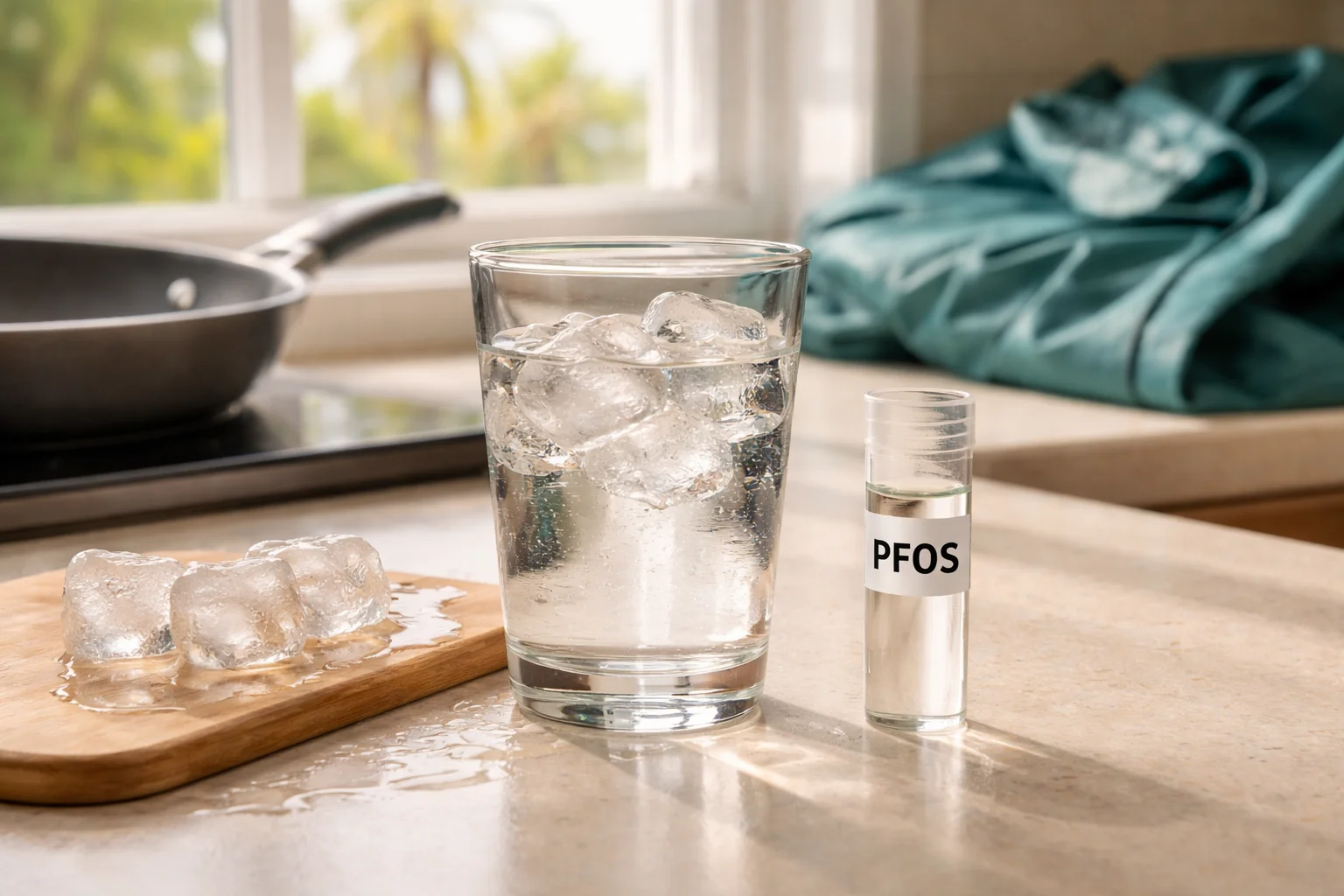
PFOS is one form of PFAS that can persist in the environment and sometimes shows up in drinking water. Because it breaks down very slowly, small amounts introduced over time can linger in a supply. Beverly residents typically hear about PFOS from local water reports, community news, or results from a home test kit. If you’re worried, the sensible first steps are confirming what’s in your water and selecting treatment that specifically targets PFAS compounds.
PFOS doesn’t change the taste or smell of water the way chlorine can, so you can’t rely on your senses to detect it at the tap. That makes it harder to judge risk by appearance alone, as PFOS is mainly a long-term exposure concern rather than an immediate nuisance. In Beverly homes, the most practical strategy is treating water at the point it enters the house so drinking, cooking, bathing and laundry all receive the same protected water.
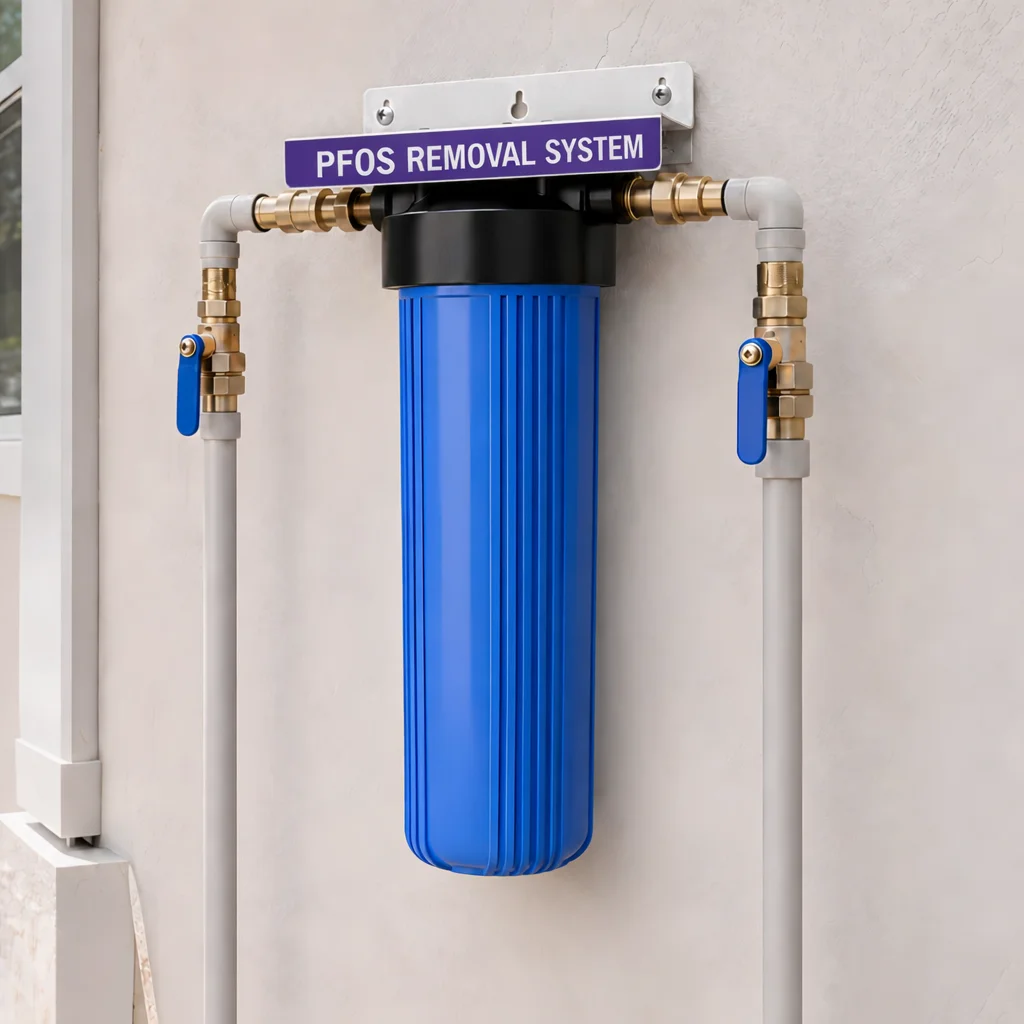
For whole-house PFOS reduction, the most effective single filter type is high-capacity granular activated carbon (GAC) formulated for PFAS removal. GAC reduces PFOS by adsorbing the contaminant onto a very large internal surface as water flows through the media. Because PFOS is tougher to remove than many taste-and-odor compounds, the carbon quality, bed depth and correct flow rates are important. A properly sized whole-house GAC system can treat an entire Beverly household without depending on multiple under-sink units.
A whole-house GAC system is installed on the main supply so every faucet in your Beverly home gets treated water; it must be sized for peak flow and maintained with timely media replacements. Mr. Pure Water can help specify a whole-house carbon configuration that fits your plumbing and usage and is appropriate for PFOS. For extra assurance, have your water tested before and after installation to confirm the system’s ongoing performance.
 850-772-1365
 info@bestwaterheater.com

