 Phone: 772-290-5223
 info@bestwaterheater.com
Phone: 772-290-5223
info@bestwaterheater.com
info@bestwaterheater.com
Phone: 772-290-5223
info@bestwaterheater.com
 Phone: 772-290-5223
info@bestwaterheater.com
Phone: 772-290-5223
info@bestwaterheater.com

Including filter system and high-performance PFOS filter.


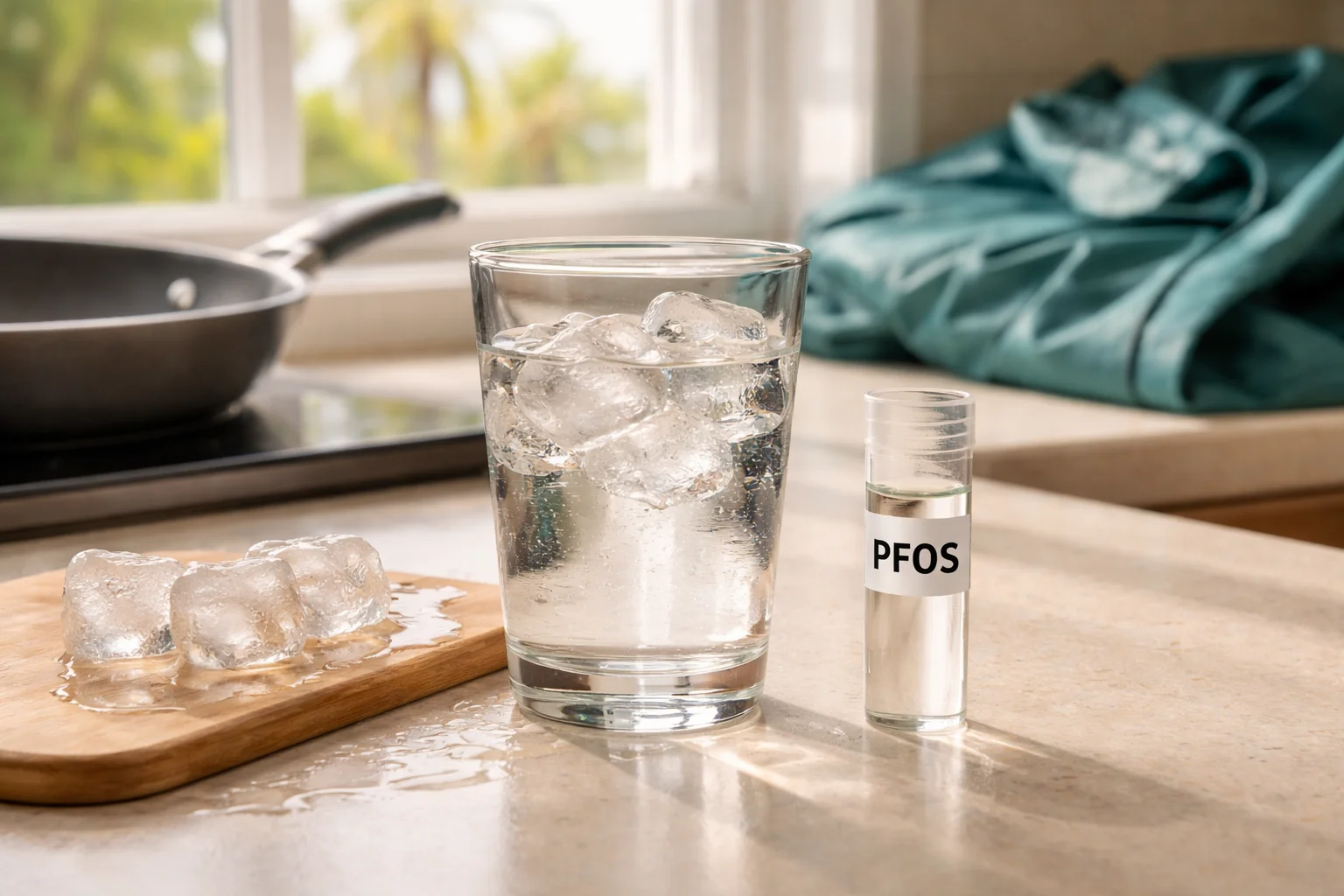
PFOS is one of the PFAS chemicals that can persist in the environment and remain in water supplies for a long time. Because it breaks down slowly, small, repeated introductions can lead to ongoing presence in a household water source. In Buckhead Ridge — where many homes draw from wells or small local systems near Lake Okeechobee — residents often first hear about PFOS through testing, local reports, or news stories. If you’re concerned, begin with a water test to confirm what’s in your supply and then choose a treatment that targets PFAS specifically.
PFOS doesn’t usually affect taste or smell the way chlorine or sulfur can, so you can’t rely on your senses to spot it at the tap. That makes it a longer-term exposure issue rather than an obvious nuisance. For Buckhead Ridge homeowners who want protection across drinking, cooking, bathing and laundry — especially in hard, iron- or sulfur-prone well water — treating the water where it enters the house is the most practical strategy.
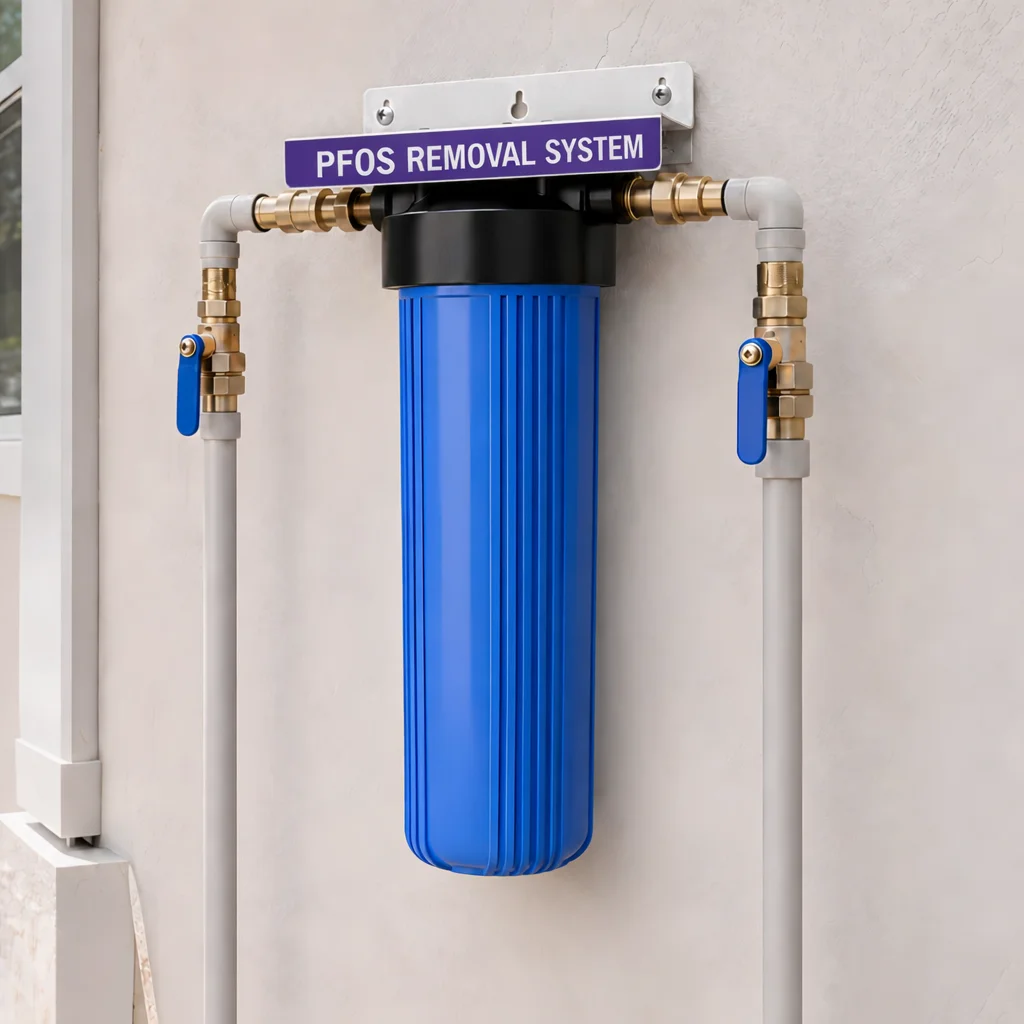
For whole-home removal of PFOS, the most effective single-filter option is a high-capacity granular activated carbon (GAC) system formulated for PFAS. GAC reduces PFOS by adsorbing it onto the media’s large surface area as water flows through. Because PFOS is tougher to remove than common taste-and-odor contaminants, the carbon quality, depth of the media bed, and correct flow rate are important. A properly sized whole-house GAC unit can protect every faucet in your Buckhead Ridge home without needing multiple under-sink units.
A whole-house GAC filter mounts on the main water line so every tap and fixture sees treated water; sizing should match your household peak flow and local water characteristics. To maintain PFOS reduction, plan on timely media replacement and routine checks — especially for homes near Lake Okeechobee where hardness and iron or sulfur staining can occur. Mr. Pure Water can recommend a carbon configuration tailored to Buckhead Ridge plumbing and usage, and periodic before-and-after testing will confirm the system’s performance over time.
 772-290-5223
 info@bestwaterheater.com

