 Phone: 850-772-1365
 info@bestwaterheater.com
Phone: 850-772-1365
info@bestwaterheater.com
info@bestwaterheater.com
Phone: 850-772-1365
info@bestwaterheater.com
 Phone: 850-772-1365
info@bestwaterheater.com
Phone: 850-772-1365
info@bestwaterheater.com

Including filter system and high-performance PFOS filter.


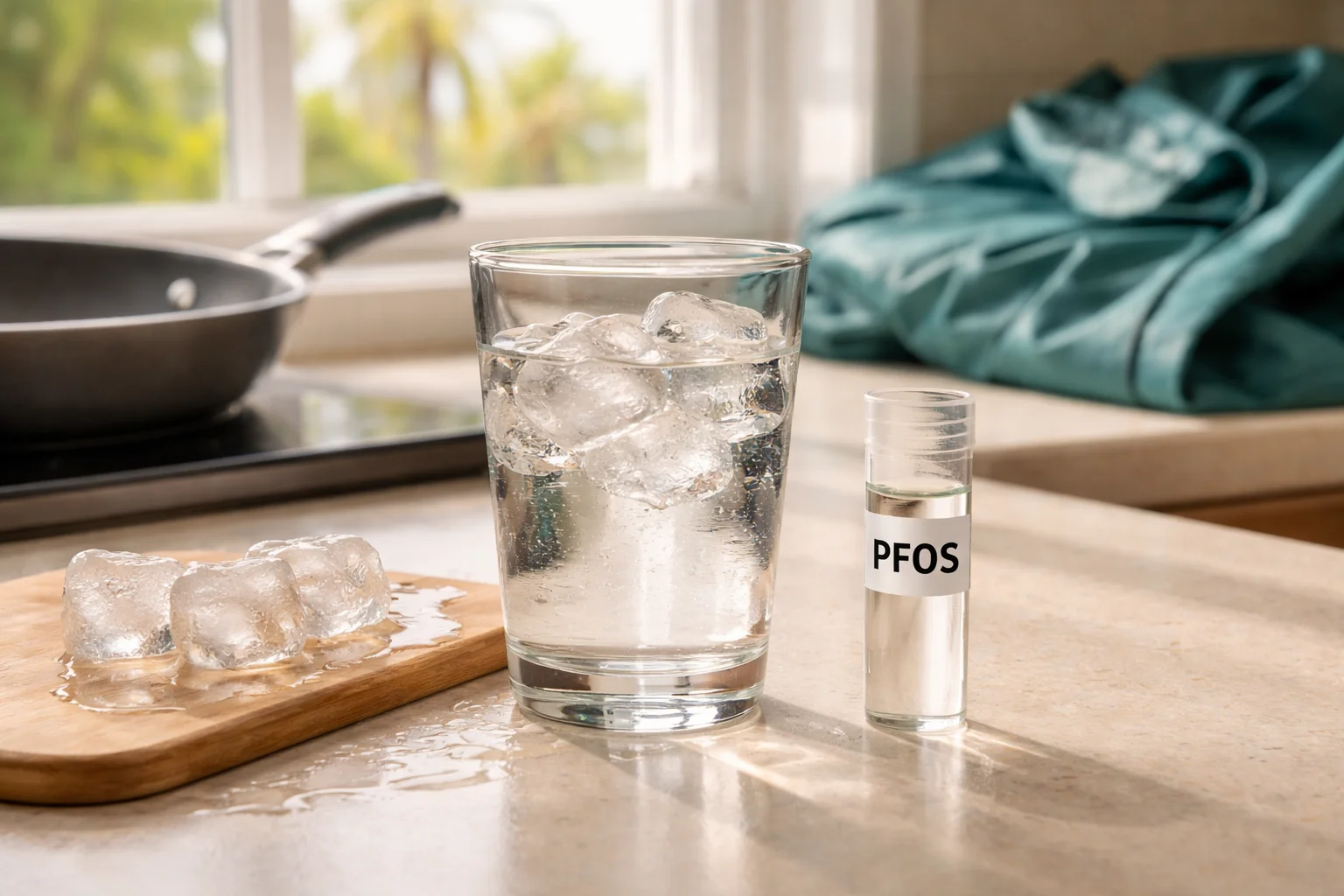
PFOS is a kind of PFAS that can persist in the environment and sometimes shows up in drinking water. Because it breaks down very slowly, even small introductions can remain in a system for a long time. Holland homeowners often first hear about PFOS from routine water reports, local news, or private testing. If you’re worried, the sensible next steps are to confirm any PFOS presence with testing and choose a treatment designed specifically for PFAS reduction.
PFOS usually can’t be detected by sight or smell, unlike chlorine or other taste-and-odor issues, which makes assessing risk at the tap difficult. It’s generally considered a long-term exposure concern rather than an immediate nuisance. Treating water where it enters your Holland home — a whole-house approach — ensures reductions apply to drinking, cooking, bathing, and laundry throughout the house.
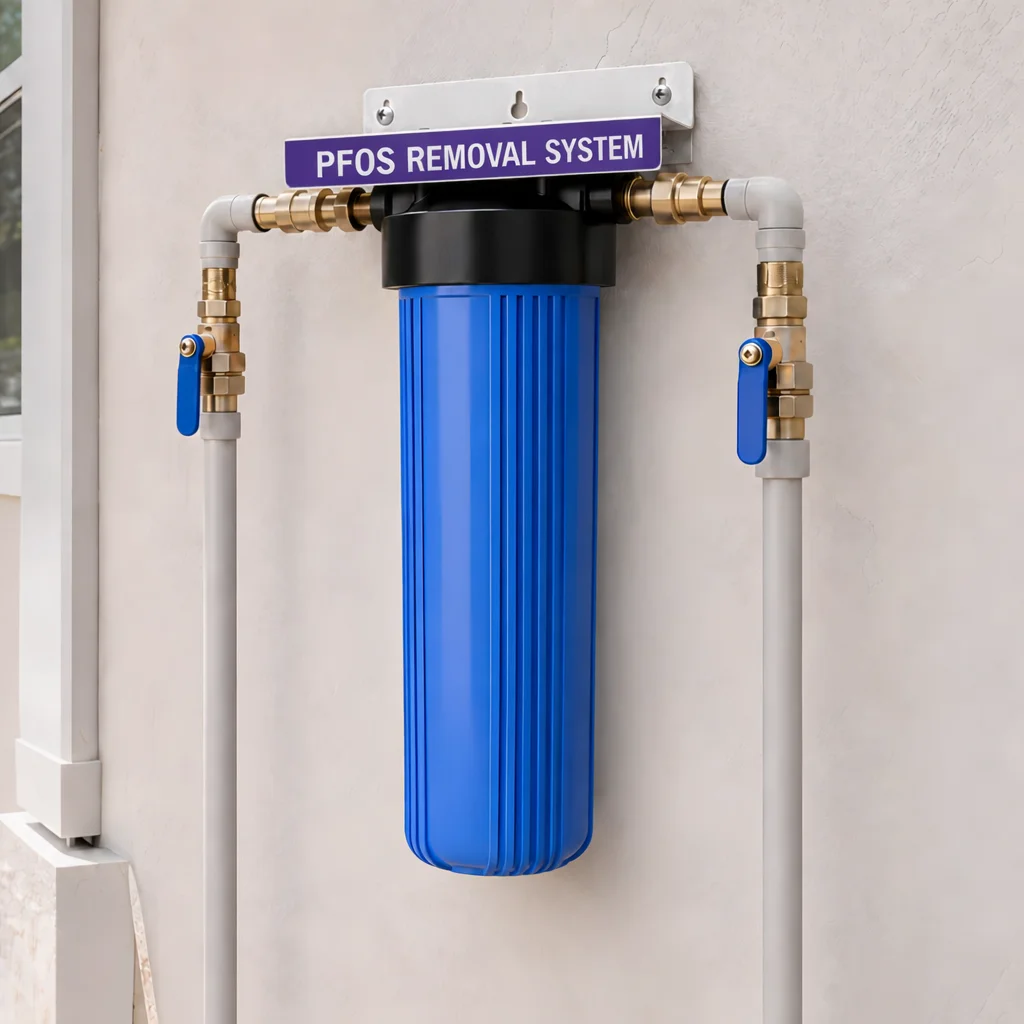
For whole-house removal, the most effective single filter type for PFOS is high-capacity granular activated carbon (GAC) formulated for PFAS. Carbon removes PFOS by adsorbing it onto a very large internal surface as water flows through the media. Because PFOS is tougher to remove than many taste-and-odor contaminants, the quality of the carbon, sufficient bed depth and correct flow rates are important. A properly sized whole-house GAC system can protect every tap without needing multiple under-sink units.
A whole-house GAC unit mounts on the main water line so treated water reaches every fixture in your Holland home; sizing it for peak household flow and scheduling timely media changeouts keeps PFOS reduction consistent. Mr. Pure Water can help select a carbon configuration suited for PFOS that fits your plumbing and usage patterns. If you’d like extra assurance, simple pre- and post-install water testing will confirm system performance over time.
 850-772-1365
 info@bestwaterheater.com

