 Phone: 772-290-5223
 info@bestwaterheater.com
Phone: 772-290-5223
info@bestwaterheater.com
info@bestwaterheater.com
Phone: 772-290-5223
info@bestwaterheater.com
 Phone: 772-290-5223
info@bestwaterheater.com
Phone: 772-290-5223
info@bestwaterheater.com

Including filter system and high-performance PFOS filter.


PFOS is a member of the PFAS family that can linger in water and the environment because it breaks down very slowly. Even small amounts introduced over time may remain present in a water supply, so homeowners often first hear about it through a local water report, news, or their own home test. If you’re in Lake Placid and worried about PFOS, the sensible first steps are confirming what’s in your tap water and selecting a treatment that specifically targets PFAS.
PFOS usually doesn’t change the taste, smell, or appearance of water, so it can be hard to judge risk just by looking at your tap. Because it’s generally a long-term exposure concern rather than an immediate nuisance, many Lake Placid homeowners choose to treat water where it enters the house so that drinking, cooking, bathing, and laundry all benefit from reduction.
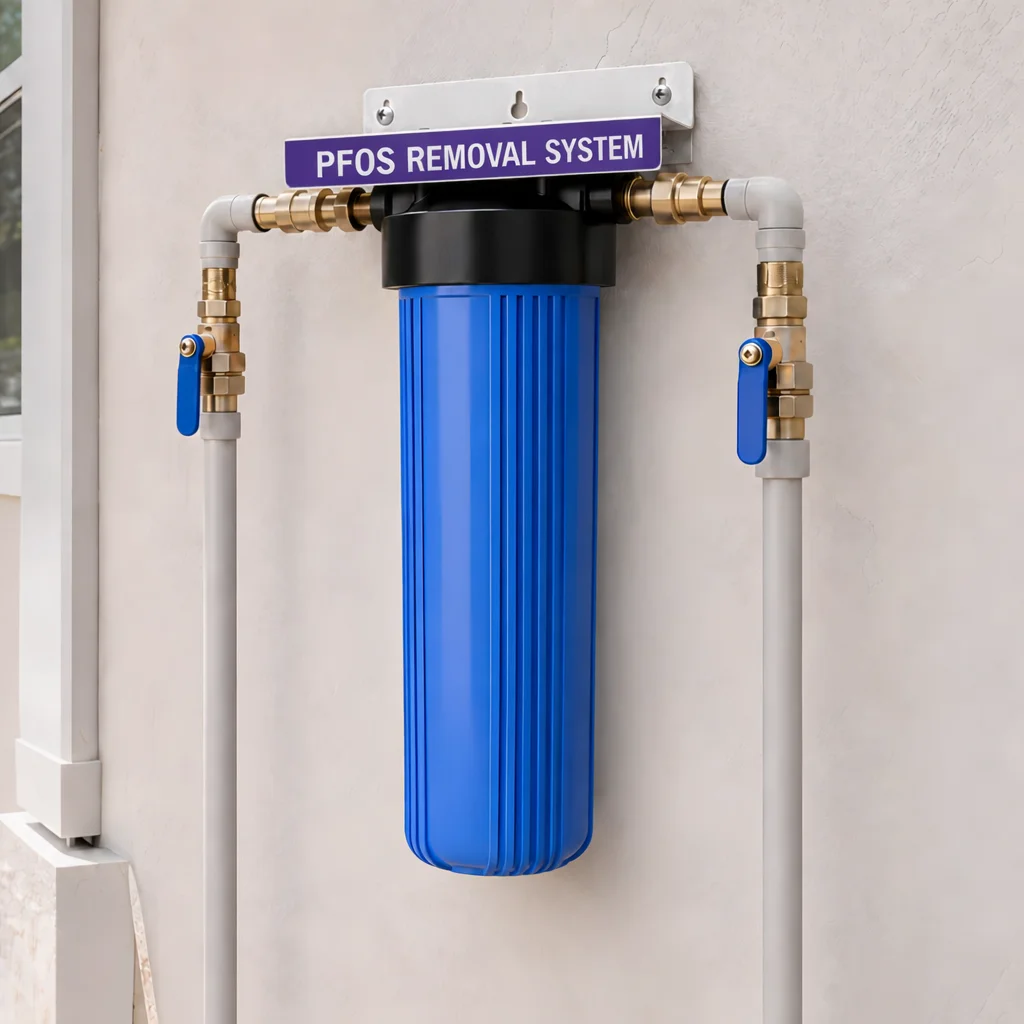
The most effective single filter type for whole-house PFOS reduction is a high-capacity granular activated carbon (GAC) system specifically configured for PFAS. GAC removes PFOS by adsorbing it onto the media’s large internal surface as water flows through. PFOS can be tougher to remove than simple taste-and-odor contaminants, so the media quality, bed depth, and proper flow rates are important—especially in Lake Placid where hard groundwater can affect system performance. A properly sized whole-house GAC unit can protect the entire home without relying on multiple under-sink filters.
A whole-house GAC filter mounts on the main water line so every fixture in your Lake Placid home receives treated water. To maintain reliable PFOS reduction, the system should be sized for your peak flow needs and serviced with timely media replacements; hard water common to Highlands County can contribute to scale, so appropriate pre-filtering and maintenance matter. Mr. Pure Water can help recommend a whole-house carbon setup that fits your plumbing and usage, and periodic pre- and post-treatment testing will confirm performance over time.
 772-290-5223
 info@bestwaterheater.com

