 Phone: 305-404-8790
 info@bestwaterheater.com
Phone: 305-404-8790
info@bestwaterheater.com
info@bestwaterheater.com
Phone: 305-404-8790
info@bestwaterheater.com
 Phone: 305-404-8790
info@bestwaterheater.com
Phone: 305-404-8790
info@bestwaterheater.com

Including filter system and high-performance PFOS filter.


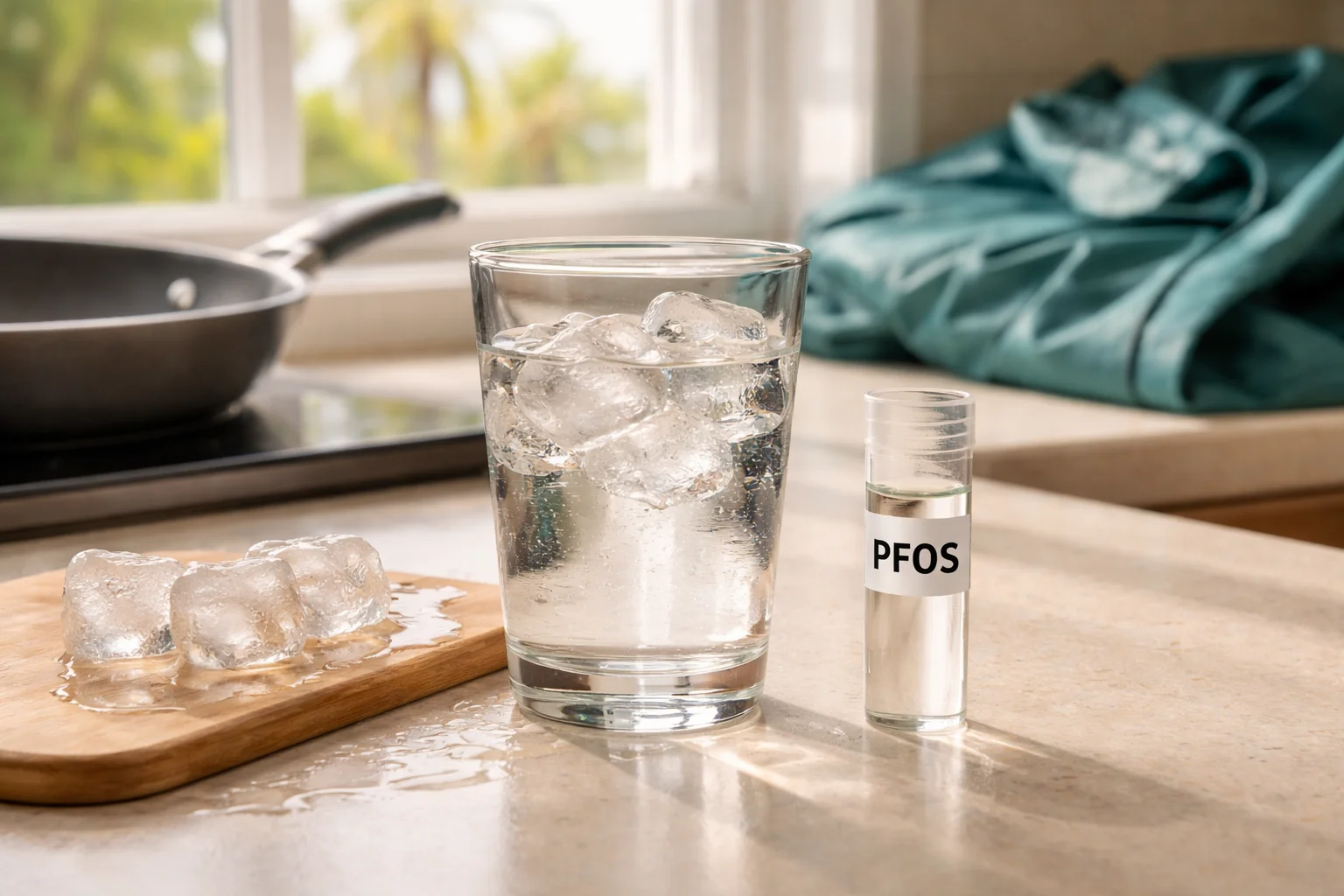
PFOS is one of the PFAS chemicals that can persist in the environment and sometimes shows up in drinking water. Because it doesn’t break down easily, small releases can lead to a lasting presence in a supply over time. Miami Lakes homeowners typically hear about PFOS from water quality reports, local news, or a private home test. If you’re worried, the sensible next steps are confirming what’s in your water and selecting treatment that specifically targets PFAS.
PFOS doesn’t usually change the look, taste, or smell of water the way chlorine does, so you can’t rely on senses alone to know if it’s there. Because it’s generally a long-term exposure issue rather than an immediate nuisance, many families in Miami Lakes choose to protect their household by treating water as it enters the home—so drinking, cooking, bathing, and laundry all benefit, whether you’re in the planned community near Miami Lakes Golf Club or closer to Amelia Earhart Park.
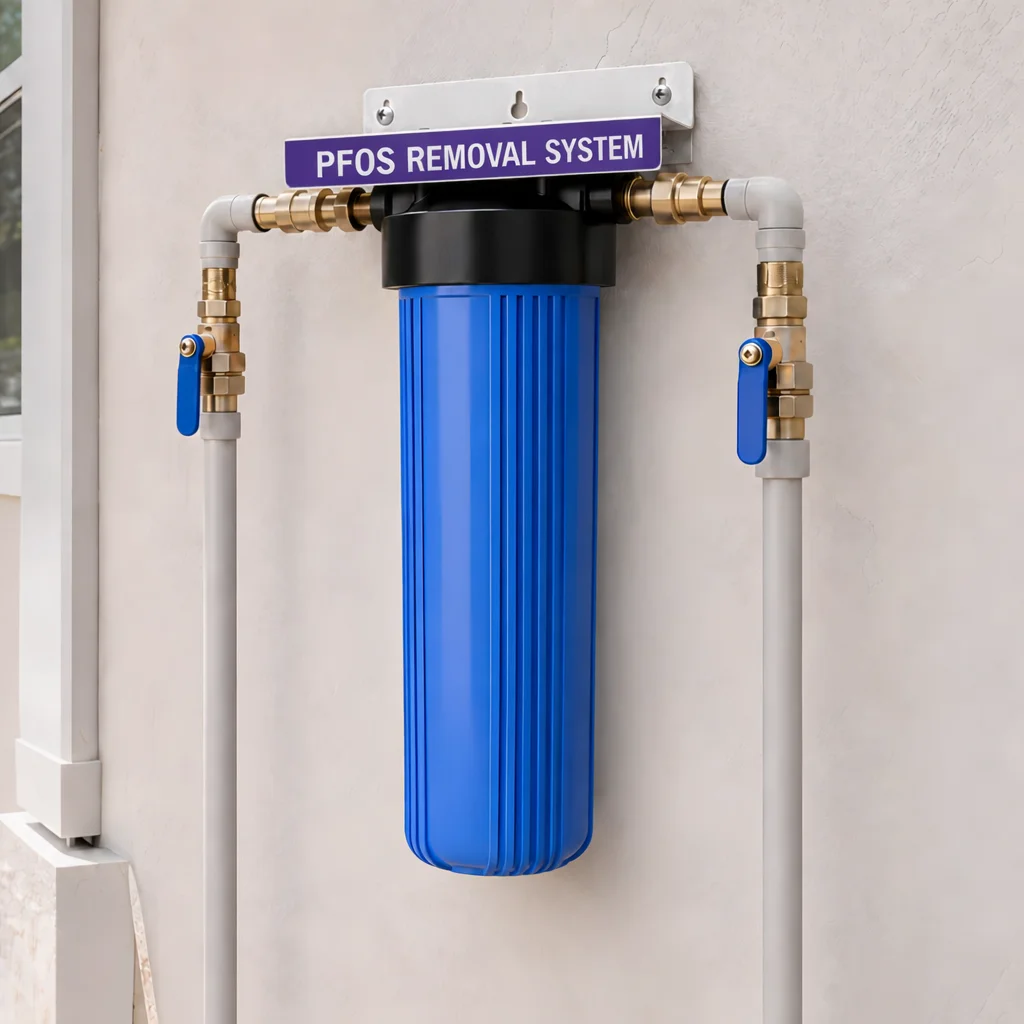
For whole-house reduction of PFOS, the most effective single filter type is a high-capacity granular activated carbon (GAC) system built for PFAS. Granular carbon removes PFOS by adsorbing it onto internal surfaces as water flows through the media. Because PFOS is tougher to remove than ordinary taste-and-odor compounds, the quality of the carbon media, adequate bed depth, and correct flow rates are important. A properly sized whole-house GAC unit can treat all taps in a Miami-Dade County home without needing several under-sink filters.
A whole-house GAC filter is fitted on the main water line so every faucet and appliance receives treated water; given Miami-Dade’s typically hard supply, choosing the right size for peak flow is important to avoid pressure issues and to assure consistent PFOS reduction. Regular media replacements at recommended intervals keep performance steady. Mr. Pure Water can assess your Miami Lakes home’s plumbing and usage and recommend a whole-house carbon setup sized for PFOS, and optional before-and-after testing can confirm the system’s effectiveness over time.
 305-404-8790
 info@bestwaterheater.com

