 Phone: 850-772-1365
 info@bestwaterheater.com
Phone: 850-772-1365
info@bestwaterheater.com
info@bestwaterheater.com
Phone: 850-772-1365
info@bestwaterheater.com
 Phone: 850-772-1365
info@bestwaterheater.com
Phone: 850-772-1365
info@bestwaterheater.com

Including filter system and high-performance PFOS filter.


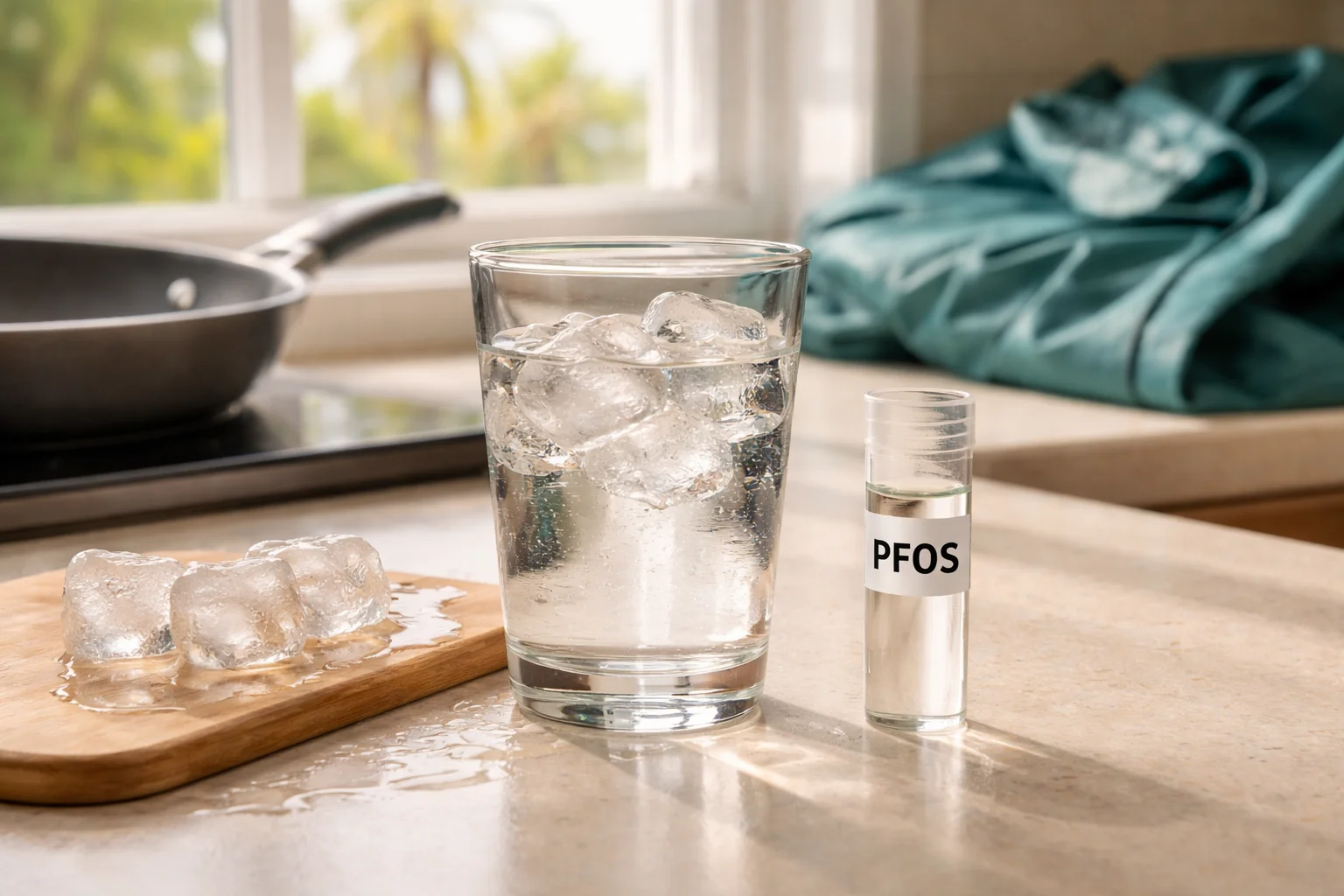
PFOS is part of the broader PFAS family and can linger in the environment for many years. Because it resists natural breakdown, small amounts introduced over time may continue to be present in a water supply. New York homeowners typically learn about PFOS from utility reports, local news, or private water testing. If you’re worried, the next practical step is confirming what’s in your water and choosing treatment that specifically targets PFAS compounds.
PFOS doesn’t usually affect taste or smell the way chlorine or sulfur do, so you can’t rely on your senses to know whether it’s in your tap water. That makes it harder to assess risk simply by looking at the water in your New York home. Because PFOS is considered a long‑term exposure concern, many homeowners opt to treat water at the point of entry so treated water is available for drinking, cooking, bathing, and laundry throughout the house.
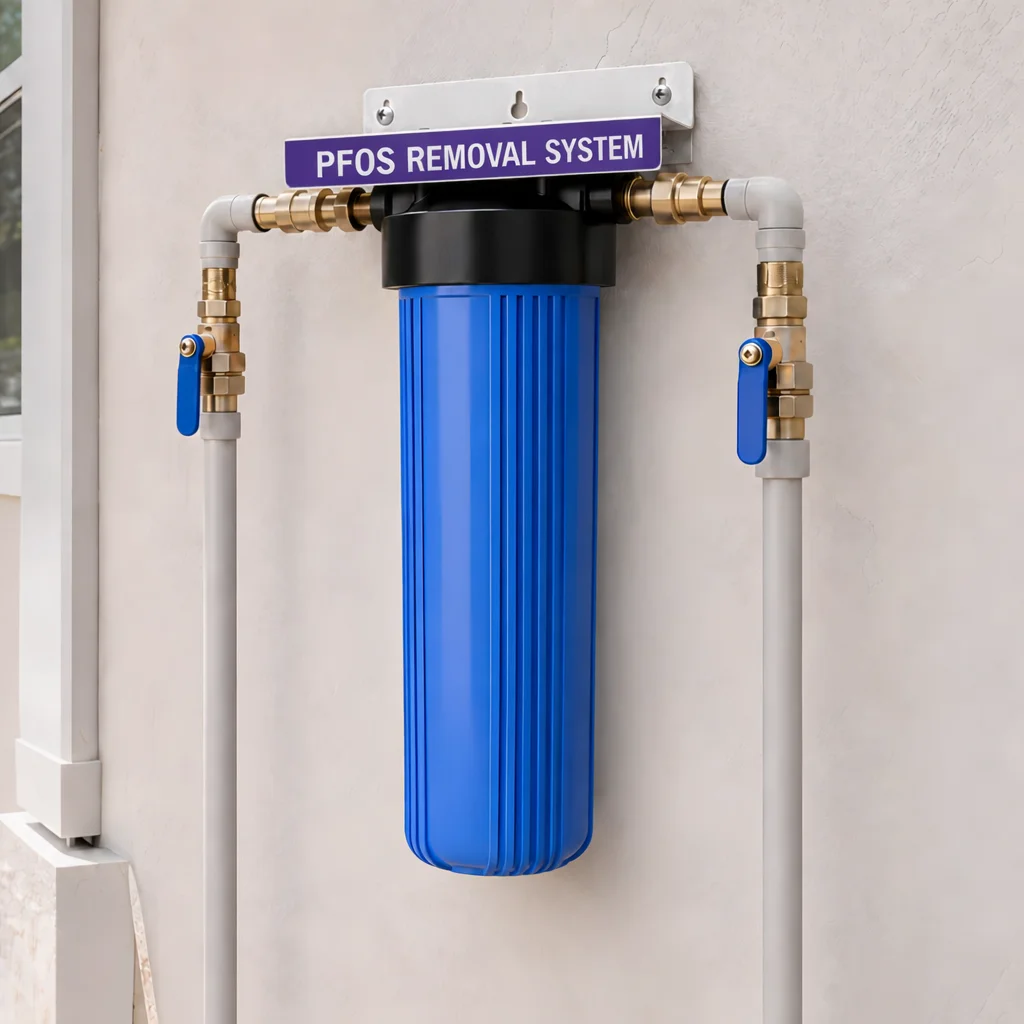
For whole-house reduction of PFOS, the most effective single filter type is a high-capacity granular activated carbon (GAC) unit formulated for PFAS. Granular carbon removes PFOS by adsorbing it onto a very large internal surface area as water moves through the media. PFOS can be more difficult to remove than routine taste-and-odor issues, so media quality, bed depth and flow rate sizing are important. A properly sized whole-house GAC system will treat all household water without relying on multiple point-of-use devices.
A whole-house GAC filter mounts on the main water line so every faucet in your New York home receives treated water; it should be sized for your peak flow and serviced with timely media changes. Mr. Pure Water can help specify a whole-house carbon setup that matches your plumbing and usage patterns for PFOS reduction. For assurance, consider periodic testing before and after installation to confirm the system’s performance.
 850-772-1365
 info@bestwaterheater.com

