 Phone: 305-404-8790
 info@bestwaterheater.com
Phone: 305-404-8790
info@bestwaterheater.com
info@bestwaterheater.com
Phone: 305-404-8790
info@bestwaterheater.com
 Phone: 305-404-8790
info@bestwaterheater.com
Phone: 305-404-8790
info@bestwaterheater.com

Including filter system and high-performance PFOS filter.


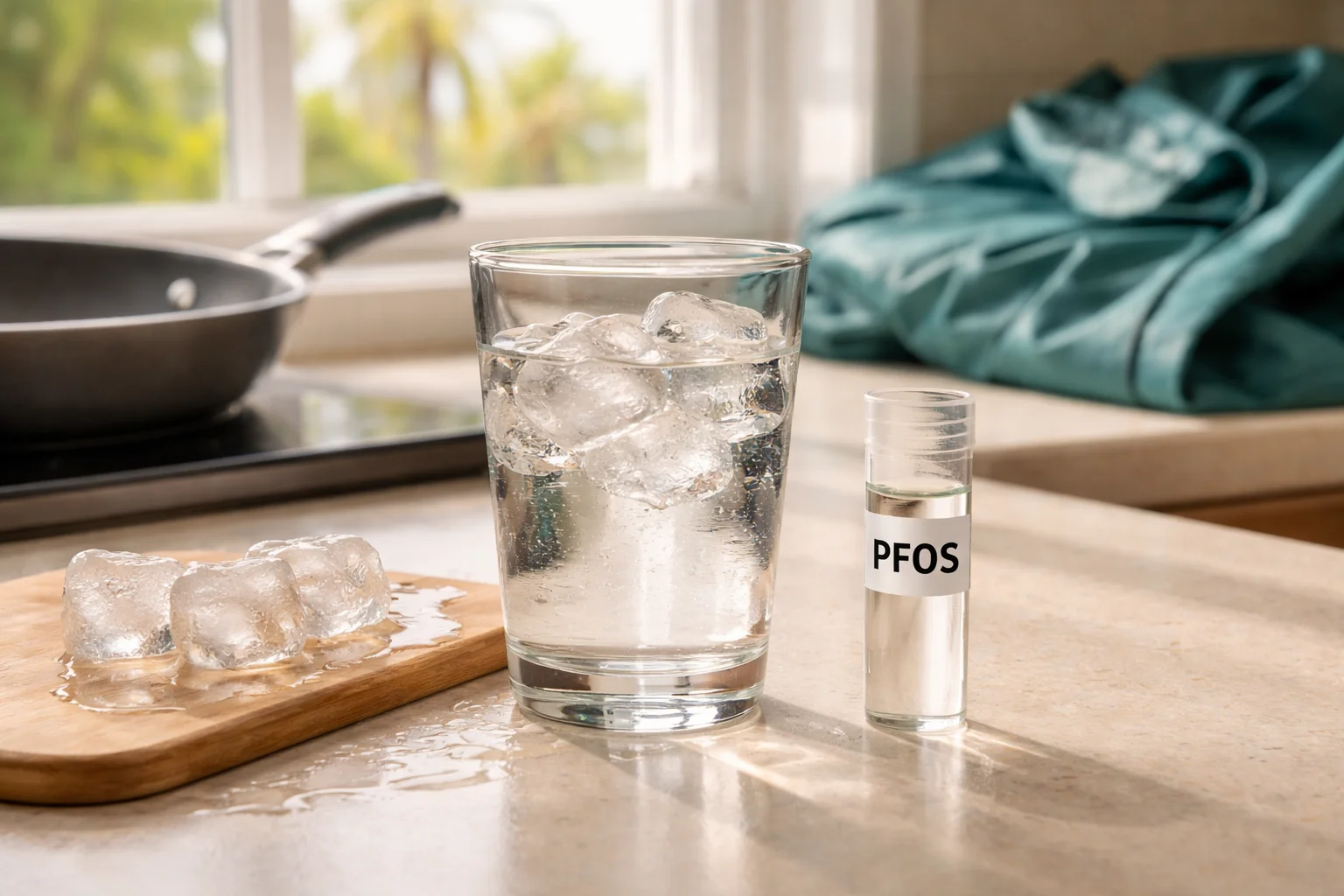
PFOS is one of the PFAS chemicals that can remain in water for many years because it resists breaking down. That persistence means small releases can lead to a continuing presence in a water supply over time. Opa-locka homeowners often hear about PFOS through water quality notices, local news, or private testing; if you’re worried, the sensible next step is to confirm what’s in your household water and choose treatment aimed specifically at PFAS compounds.
PFOS usually has no taste or smell, so you can’t rely on sight or odor to know whether it’s in your tap water. Because it’s primarily a long-term exposure concern rather than an acute nuisance, many families in Opa-locka prefer treating water at the point it enters the house so drinking, cooking, bathing and laundry all receive the same protection.
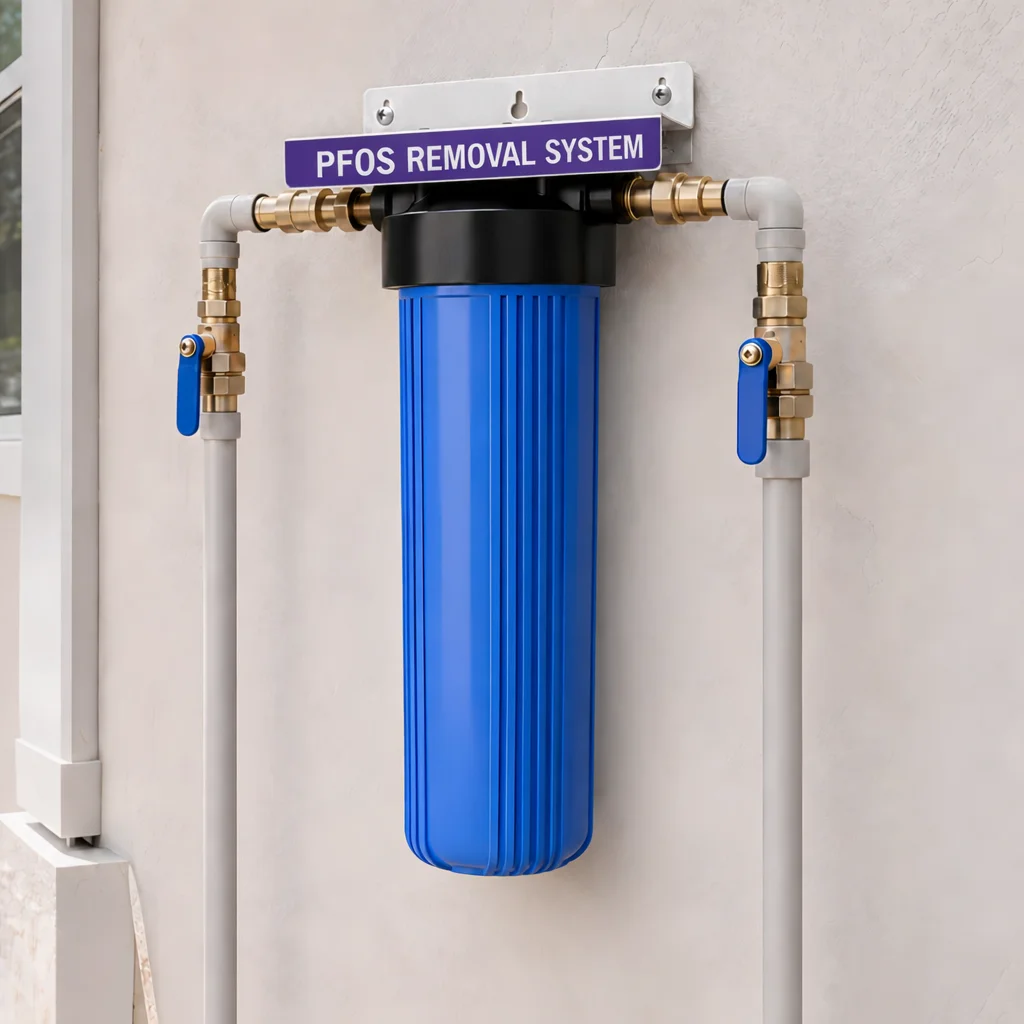
For whole-house reduction of PFOS, the most effective single filter type is high-capacity granular activated carbon (GAC) formulated for PFAS removal. GAC removes PFOS by adsorbing the chemical onto its extensive internal surface as water flows through. Because PFOS is harder to remove than ordinary taste-and-odor contaminants, the performance depends on media quality, sufficient bed depth, and proper flow rate — all important when selecting a system for homes in Miami-Dade County with typically hard municipal water.
A whole-house GAC system mounts on your main line so every faucet and appliance gets treated water; size and timely media changeouts keep PFOS reduction steady. Mr. Pure Water can help pick a carbon configuration suited to Opa-locka plumbing and your household’s peak flow, and we recommend periodic pre- and post-treatment testing to confirm ongoing performance.
 305-404-8790
 info@bestwaterheater.com

