 Phone: 772-290-5223
 info@bestwaterheater.com
Phone: 772-290-5223
info@bestwaterheater.com
info@bestwaterheater.com
Phone: 772-290-5223
info@bestwaterheater.com
 Phone: 772-290-5223
info@bestwaterheater.com
Phone: 772-290-5223
info@bestwaterheater.com

Including filter system and high-performance PFOS filter.


PFOS is a persistent member of the PFAS family that can remain in water supplies for long periods. Because it breaks down slowly, small inputs can result in ongoing presence in a distribution system. Paradise Park homeowners typically become aware of PFOS through local water reports, news, or private well testing — especially in rural parts of the area where well water quality and hardness can vary. If you’re worried about PFOS, the sensible first steps are confirming what’s in your water and selecting treatment designed specifically for PFAS.
PFOS doesn’t usually change how water looks or smells, so you can’t rely on taste or odor to know whether it’s present. That makes it a long-term exposure concern more than an obvious household nuisance. For Paradise Park homes — whether on a municipal connection or a private well in unincorporated areas — treating water where it enters the house ensures reduction for drinking, cooking, bathing, and laundry.
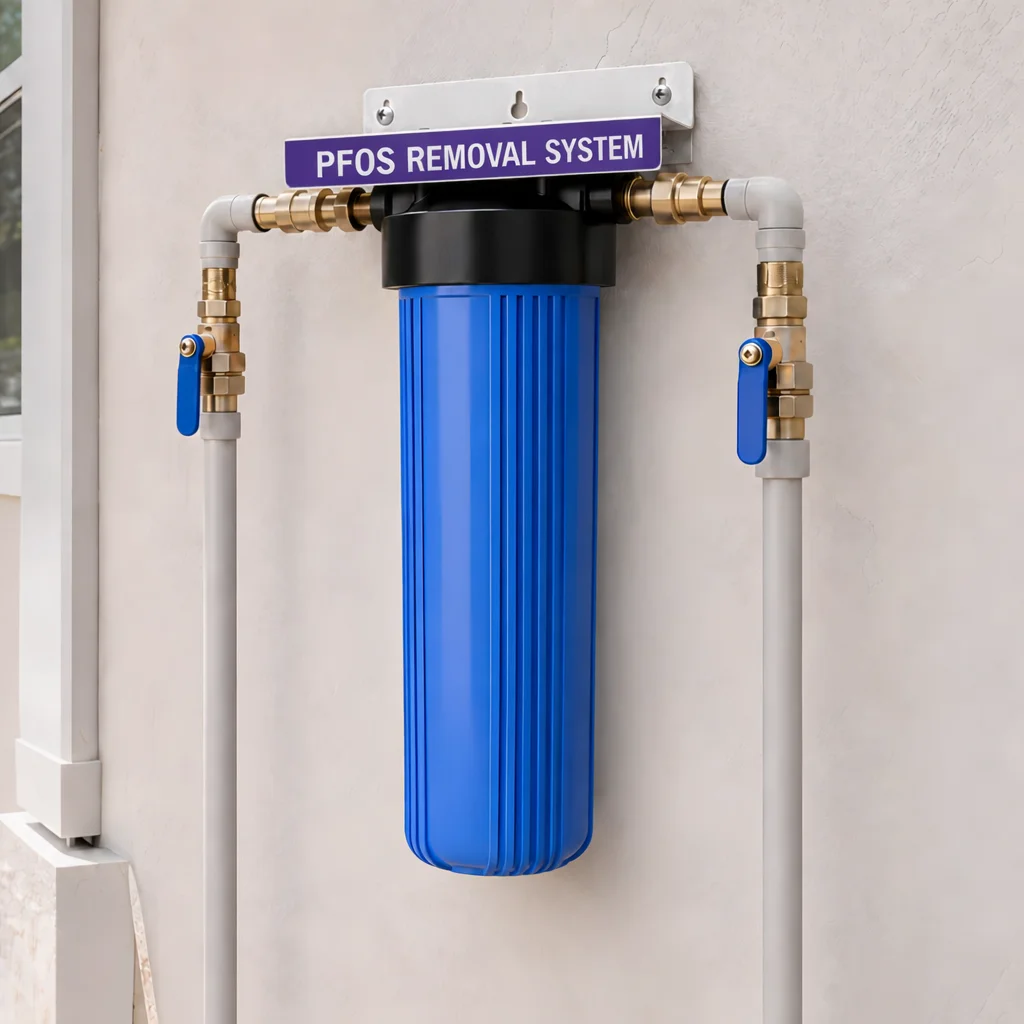
For whole-house reduction of PFOS, the most effective single filter type is a high-capacity granular activated carbon (GAC) system formulated for PFAS. GAC removes PFOS by adsorbing it onto the media’s large internal surface as water flows through. Because PFOS is tougher to remove than typical taste-and-odor compounds, the quality of the carbon, sufficient bed depth, and correct flow rates are important — especially in hard-water areas like Paradise Park where scale and nuisance minerals can affect performance. A properly sized whole-house GAC unit treats every fixture without needing multiple under-sink devices.
A whole-house GAC filter is installed on the main service line so all faucets and appliances receive treated water; sizing for peak flow and timely media replacement keep PFOS reduction consistent. Mr. Pure Water can assess your Paradise Park property, recommend the right carbon configuration for PFOS, and help match the system to your plumbing and household use. If you’d like extra assurance, periodic testing of water before and after the system verifies continued performance over time.
 772-290-5223
 info@bestwaterheater.com

