 Phone: 954-208-3500
 info@bestwaterheater.com
Phone: 954-208-3500
info@bestwaterheater.com
info@bestwaterheater.com
Phone: 954-208-3500
info@bestwaterheater.com
 Phone: 954-208-3500
info@bestwaterheater.com
Phone: 954-208-3500
info@bestwaterheater.com

Including filter system and high-performance PFOS filter.


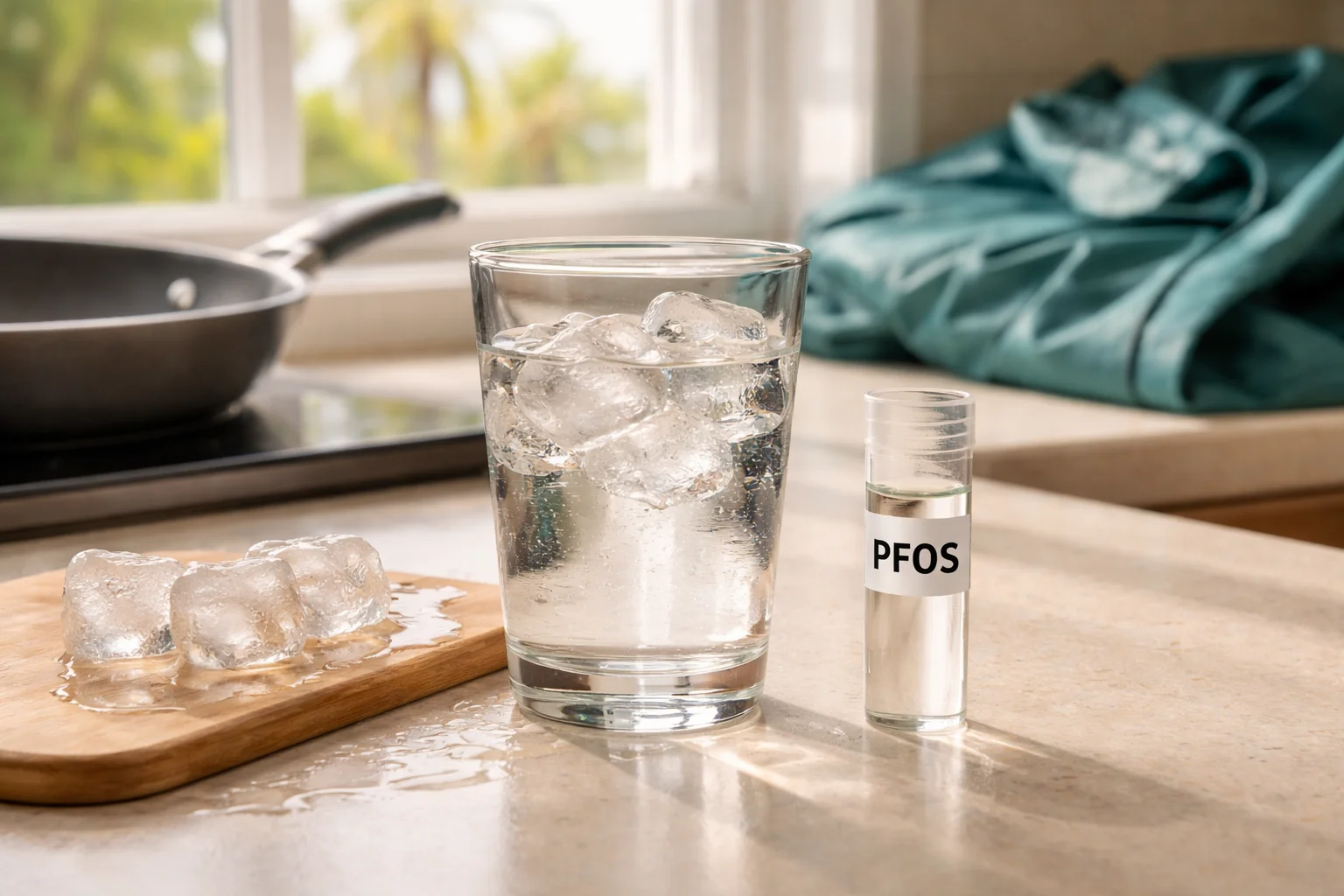
PFOS is one of the PFAS chemicals that can persist in the environment and sometimes shows up in drinking water. Because it breaks down very slowly, small amounts introduced over time can remain in a supply for years. Parkland homeowners often first hear about PFOS from utility reports, local news, or private home testing; if you’re worried, the next sensible step is confirming your water results and selecting treatment that specifically targets PFAS compounds.
PFOS doesn’t affect taste or smell the way chlorine does, so you usually can’t detect it by looking at or tasting your water. That makes it hard to judge risk just from the tap. Because concerns around PFOS are generally about long-term exposure, many Parkland residents choose a practical solution: treat water at the main entry so drinking, cooking, bathing and laundry across the home benefit from the reduction.
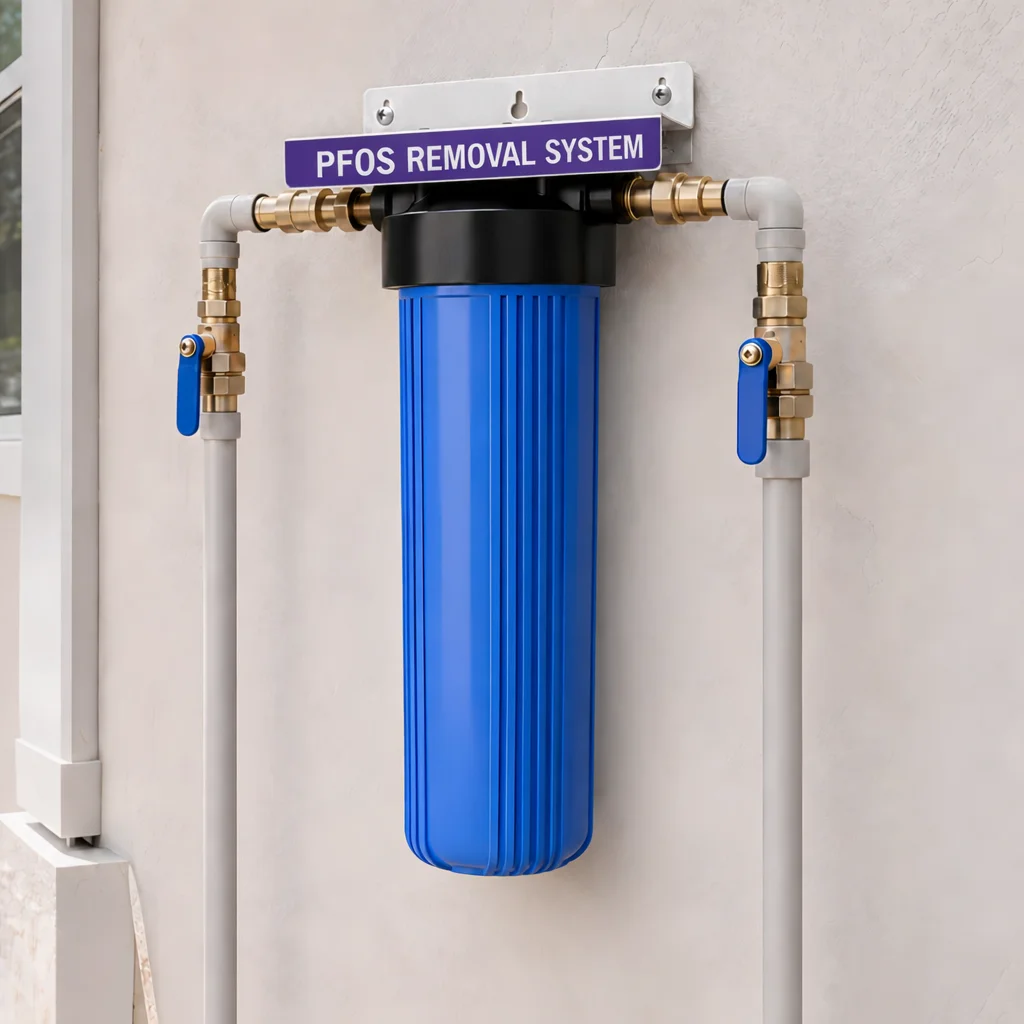
For whole-house reduction of PFOS, the best single option is a high-capacity granular activated carbon (GAC) filter formulated for PFAS. GAC removes PFOS by adsorbing it onto the media’s large surface area as water flows through. PFOS is more persistent than routine taste-and-odor contaminants, so media quality, adequate bed depth and correct flow rates are important. A properly sized whole-house GAC system can protect every fixture in Parkland homes without needing multiple point-of-use units.
A whole-house GAC unit is plumbed on the main line so all faucets and appliances receive treated water; in hard South Florida conditions like Parkland’s, correct sizing for peak flow and timely media changeouts keep PFOS reduction consistent. Mr. Pure Water can assess your home—whether you live near Pine Trails Park or in Heron Bay—and recommend a GAC configuration that fits your plumbing and usage. If you want extra assurance, periodic testing before and after installation verifies ongoing performance.
 954-208-3500
 info@bestwaterheater.com

