 Phone: 561-300-5075
 info@bestwaterheater.com
Phone: 561-300-5075
info@bestwaterheater.com
info@bestwaterheater.com
Phone: 561-300-5075
info@bestwaterheater.com
 Phone: 561-300-5075
info@bestwaterheater.com
Phone: 561-300-5075
info@bestwaterheater.com

Including filter system and high-performance PFOS filter.


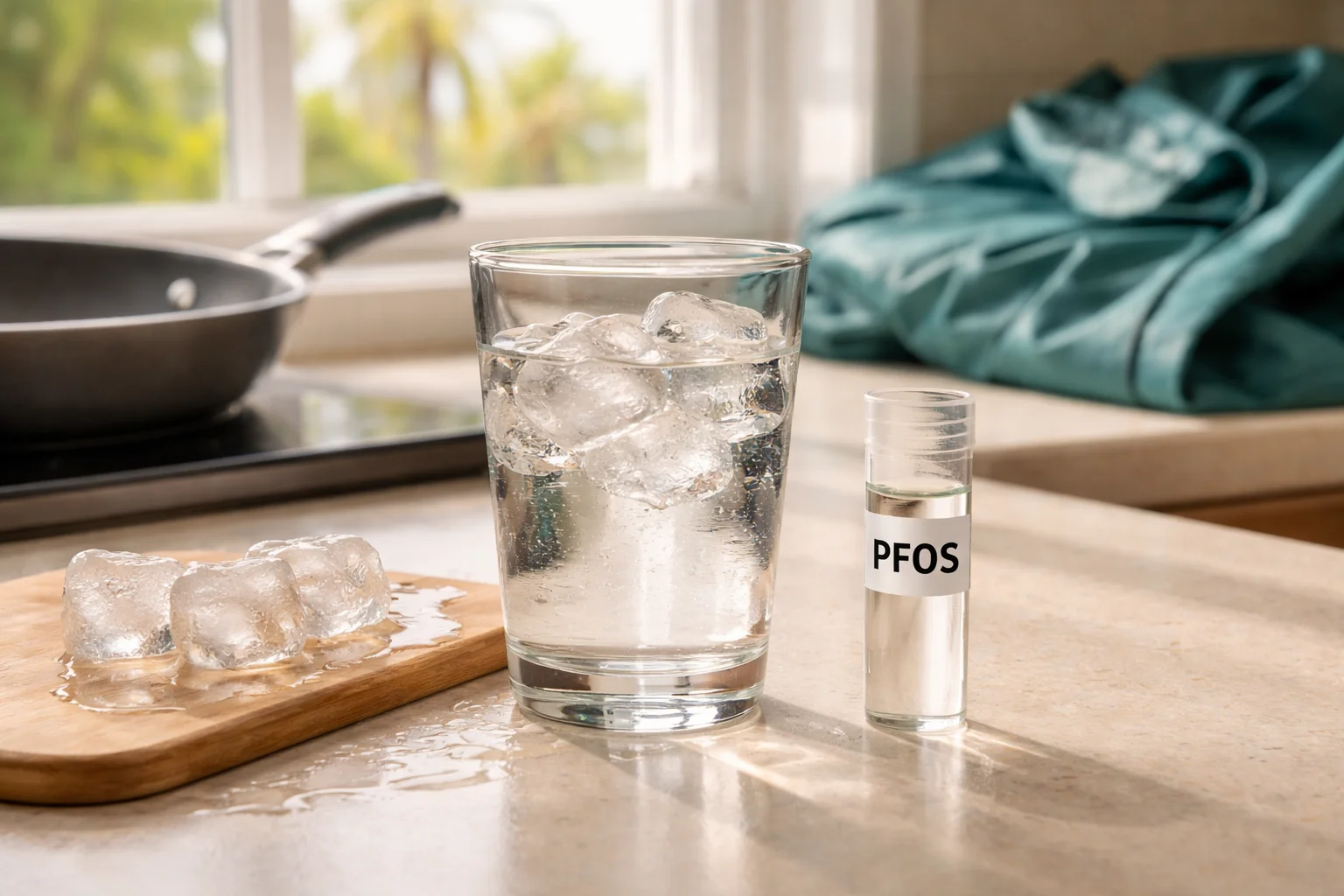
PFOS is a member of the PFAS family that can persist in the environment for a very long time. Because it resists natural breakdown, small releases can remain in a water source over time. South Bay homeowners often hear about PFOS through local testing, water reports, or the news; if you’re worried, the next step is to confirm what’s in your tap water and pick a treatment that specifically targets PFAS contaminants.
PFOS usually has no taste or smell, unlike chlorine or other obvious water problems, so you can’t rely on appearance to know if it’s present. It’s typically considered a long-term exposure issue rather than an immediate nuisance. In South Bay — where hard water is common and can add scale to plumbing — treating water at the main entry point ensures PFOS reduction for drinking, cooking, bathing, and laundry throughout your home.
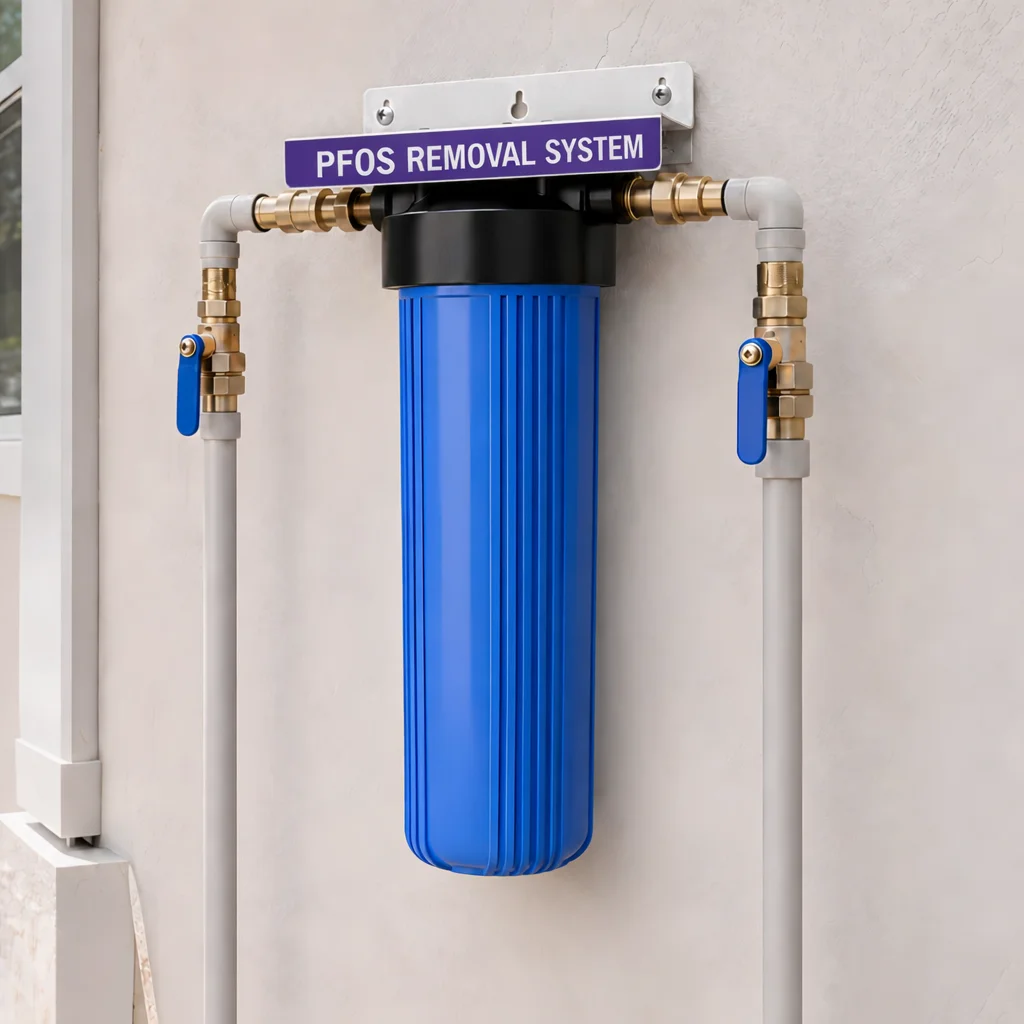
For whole-house reduction of PFOS, the most effective single filter type is high-capacity granular activated carbon (GAC) formulated for PFAS removal. GAC removes PFOS by adsorbing it onto a very large internal surface area as water flows through the media. Because PFOS is more difficult to remove than many taste-and-odor compounds, the effectiveness depends on media quality, bed depth, and proper flow rates — all important when installing a system for a South Bay residence.
A whole-house GAC filter mounts on your main line so every faucet and appliance gets treated water; sizing for peak flow and regular media changeouts keep PFOS reduction consistent. Mr. Pure Water can recommend a GAC configuration that fits South Bay homes’ plumbing and usage patterns, and periodic before-and-after testing provides extra reassurance that the system continues to perform.
 561-300-5075
 info@bestwaterheater.com

