 Phone: 772-290-5223
 info@bestwaterheater.com
Phone: 772-290-5223
info@bestwaterheater.com
info@bestwaterheater.com
Phone: 772-290-5223
info@bestwaterheater.com
 Phone: 772-290-5223
info@bestwaterheater.com
Phone: 772-290-5223
info@bestwaterheater.com

Including filter system and high-performance PFOS filter.


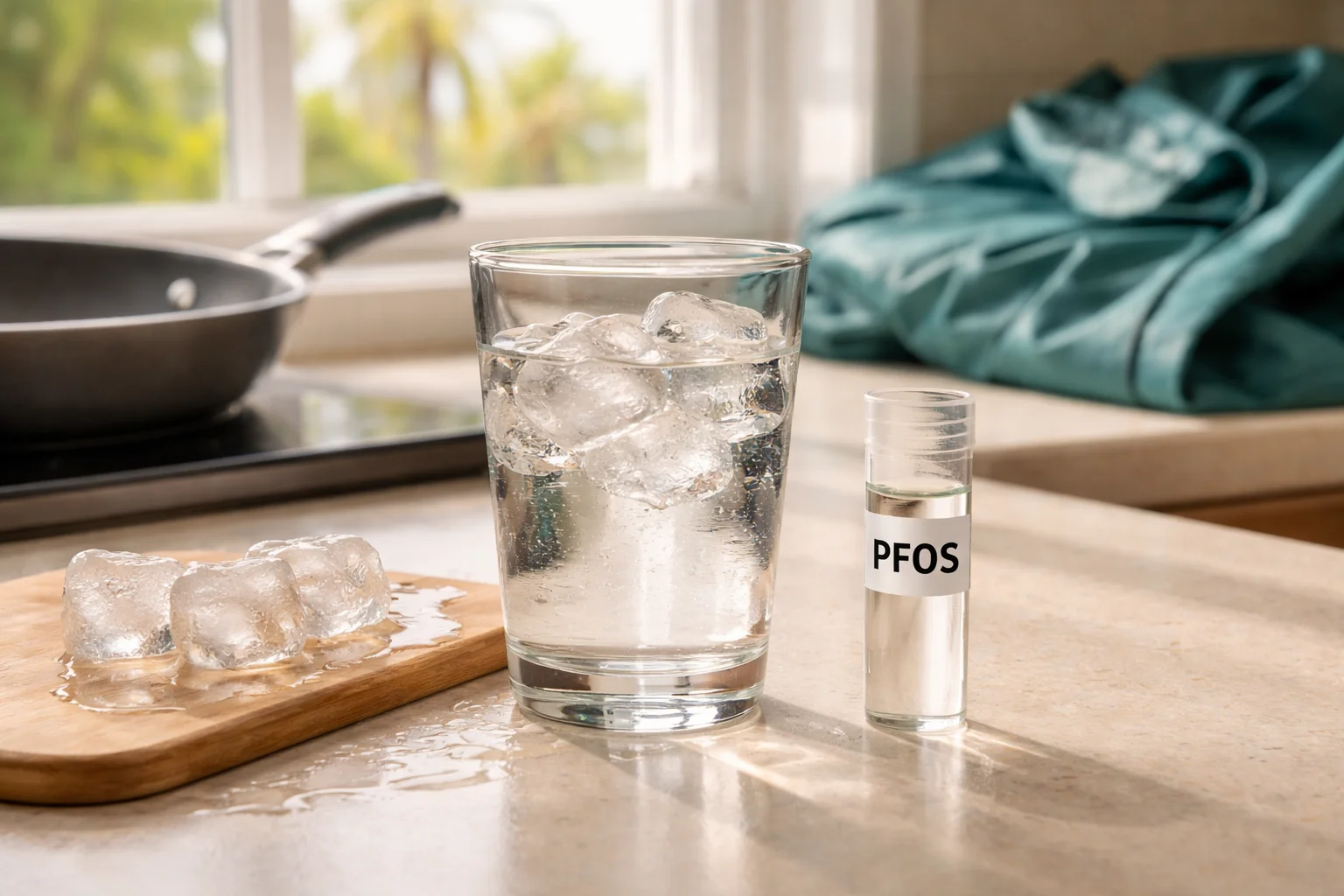
PFOS is a member of the PFAS family that can persist in the environment and sometimes shows up in drinking water. Because it doesn’t break down readily, even small releases can remain in a water system for a long time. Winter Beach homeowners commonly hear about PFOS from utility notices, local reporting, or private well testing; the sensible first steps are confirming your water’s contents and selecting treatment specifically aimed at PFAS removal.
PFOS usually has no taste or smell, so you can’t rely on how water looks at the tap to know if it’s present. That makes it more of a long-term exposure concern than an immediate nuisance like chlorine or sulfur. In Winter Beach, where many homes connect to Indian River County Utilities and some use private wells, a practical way to reduce exposure is treating water at the main entry so drinking, cooking, bathing and laundry are all covered.
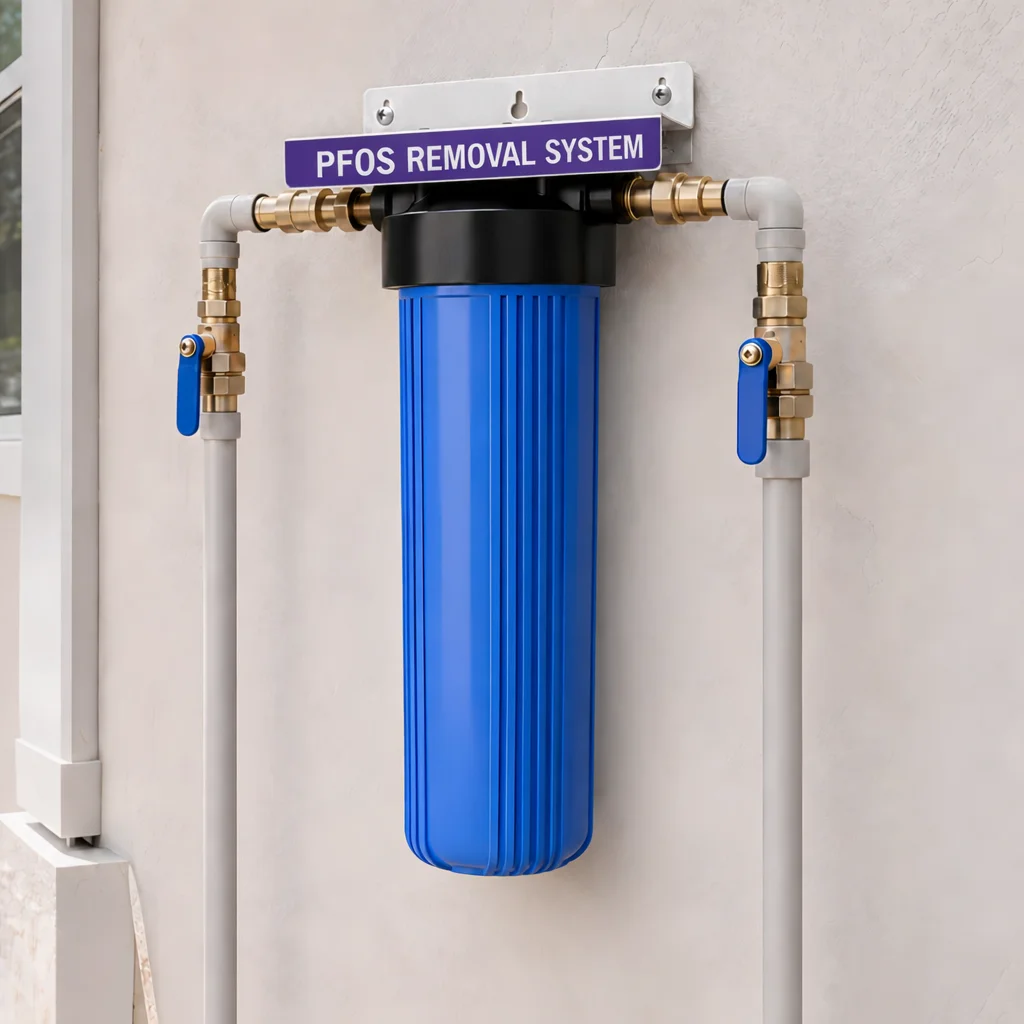
For whole-house removal, the single most effective choice is high-capacity granular activated carbon (GAC) formulated for PFAS. GAC reduces PFOS by adsorbing it onto the media’s large surface area as water flows through. Because PFOS can be tougher to remove than typical taste-and-odor contaminants, the quality of the media, the depth of the carbon bed, and correct flow rates are important. A properly sized whole-house GAC system treats every fixture in the home without needing multiple point-of-use units.
A whole-house GAC unit is plumbed on the main line so all taps in your Winter Beach home get treated water; this helps prevent staining and scale issues made worse by our humid coastal climate and moderate hardness. To maintain reliable PFOS reduction, pick a system sized for your peak flow and follow scheduled media replacements. Mr. Pure Water can recommend the right whole-house carbon setup for your plumbing and usage patterns, and periodic before-and-after testing provides ongoing assurance the system is performing.
 772-290-5223
 info@bestwaterheater.com

