 Phone: 305-404-8790
 info@bestwaterheater.com
Phone: 305-404-8790
info@bestwaterheater.com
info@bestwaterheater.com
Phone: 305-404-8790
info@bestwaterheater.com
 Phone: 305-404-8790
info@bestwaterheater.com
Phone: 305-404-8790
info@bestwaterheater.com

Including filter system and high-performance PFPeS filter.


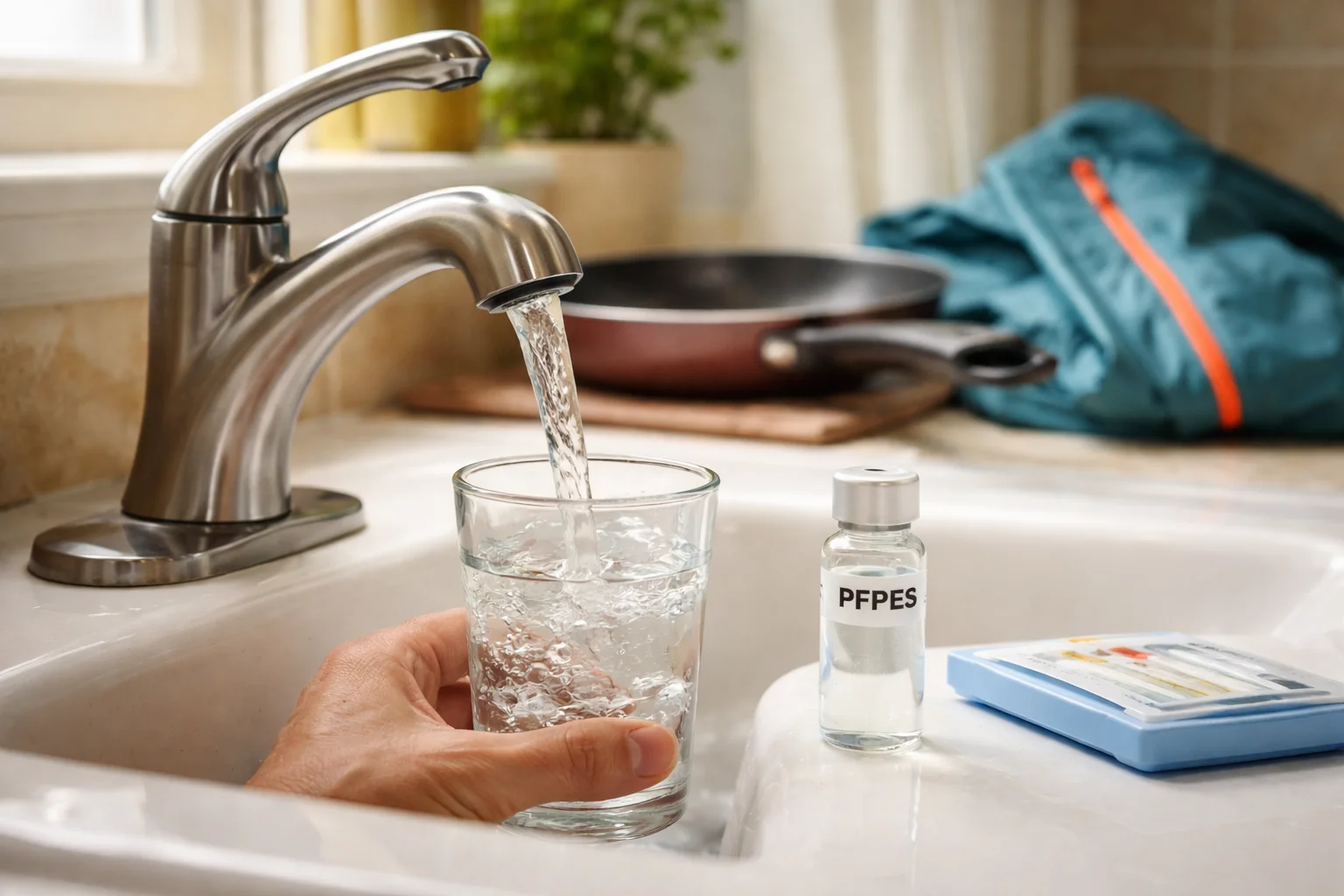
PFPeS is a member of the PFAS family often called a persistent “forever chemical” because it can linger in the environment. It typically doesn’t change the taste, smell, or appearance of water, so Fisher Island homeowners may not notice it without testing. Sources can include industrial uses, treated wastewater, or runoff that reaches drinking-water supplies; if you’re worried about PFPeS in your household water, a professional water test is the only way to know what’s present and at what concentration.
Because PFPeS is evaluated alongside other PFAS compounds, many families on Fisher Island opt for an added layer of protection for drinking, cooking, showering, and appliances. A whole-house system treats water before it reaches every faucet and showerhead, giving consistent coverage across your home rather than relying on a single-point filter at the kitchen sink.
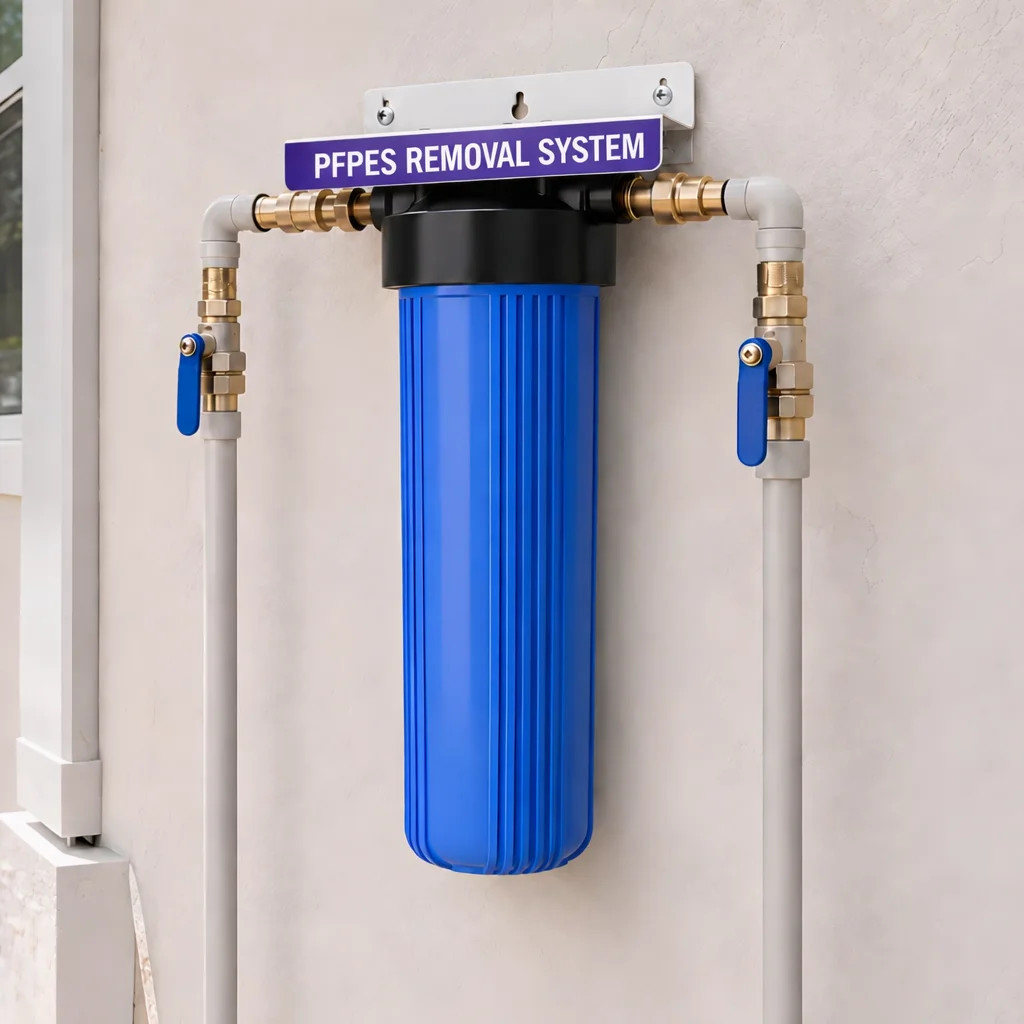
The most effective single-filter whole-house choice for reducing PFPeS is a high-capacity granular activated carbon (GAC) system specified for PFAS removal. GAC removes contaminants by adsorbing them to a large surface area as water flows through; its effectiveness depends on the carbon grade, contact time, and correctly sizing the system for your household flow and demand. Properly installed at the point of entry, a GAC unit treats water before it’s distributed around a Fisher Island home.
To keep PFPeS reduction dependable, GAC media must be correctly sized for your plumbing and replaced on schedule because the carbon will eventually become exhausted. Pre-filtration for sediment is advisable—South Florida’s hard water can contribute to scale and particulates that reduce carbon efficiency—so installing a sediment filter ahead of the GAC helps prevent channeling. Many Fisher Island homeowners combine a whole-house GAC system with a dedicated under-sink drinking-water filter for extra assurance; Mr. Pure Water can help select and size the right whole-house carbon solution to match your property and daily water use.
 305-404-8790
 info@bestwaterheater.com

