 Phone: 954-208-3500
 info@bestwaterheater.com
Phone: 954-208-3500
info@bestwaterheater.com
info@bestwaterheater.com
Phone: 954-208-3500
info@bestwaterheater.com
 Phone: 954-208-3500
info@bestwaterheater.com
Phone: 954-208-3500
info@bestwaterheater.com

Including filter system and high-performance PFTrDA filter.


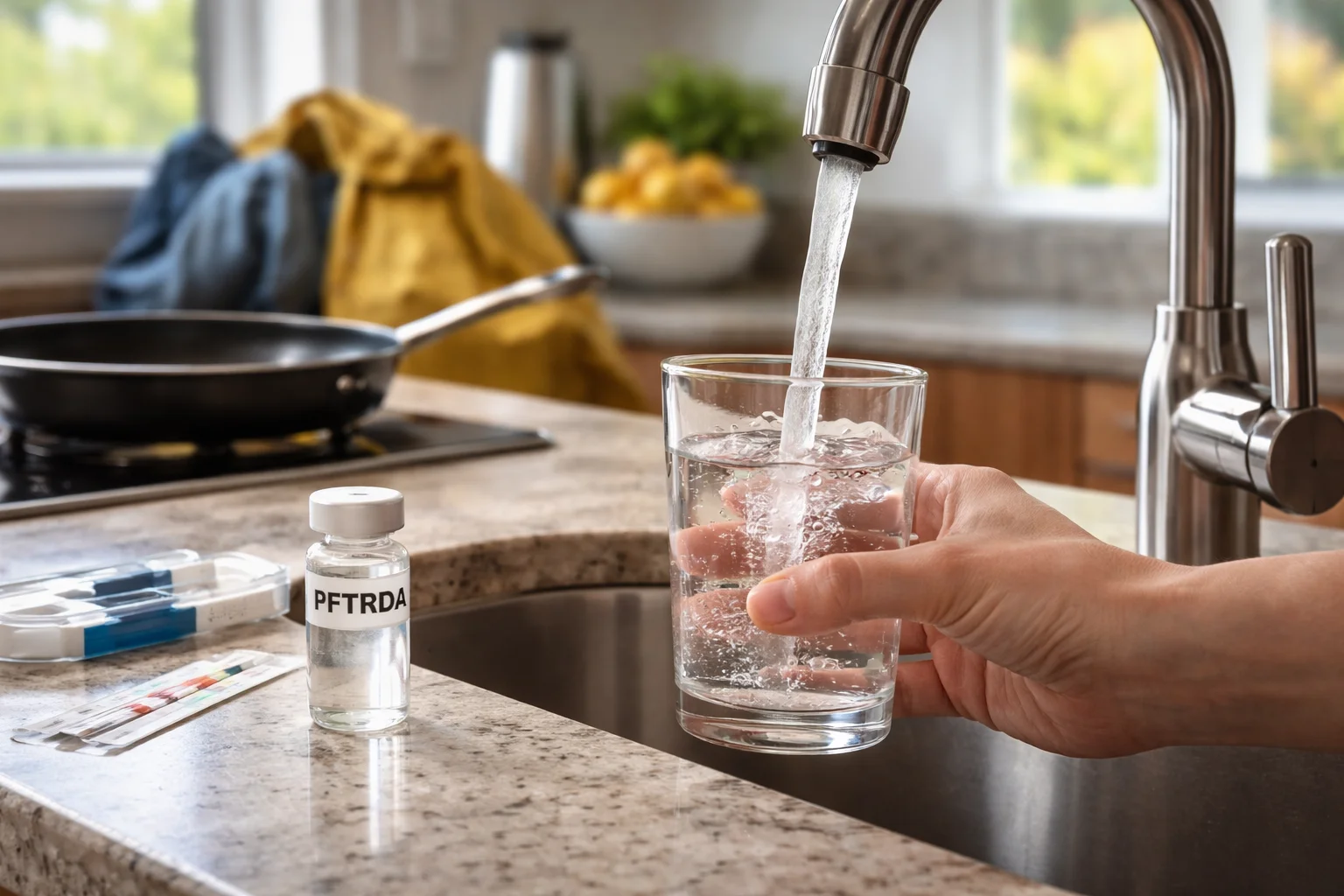
PFTrDA is one of the PFAS family of chemicals that can enter drinking water when these persistent compounds move from industrial or consumer sources into the environment. Because PFAS are slow to break down, they can remain in water long after the original release. While PFAS are often discussed as a group, specific compounds like PFTrDA may appear on lab panels and reports — and if you’re a Parkland homeowner seeing PFTrDA listed, it’s understandable to look for a practical, home-wide way to lower it.
PFTrDA won’t give your water a smell, taste, or visible change, so the only clear way to know if it’s present is through testing that reports individual PFAS results. Even when utilities meet regulatory requirements, many Parkland residents choose extra treatment for peace of mind. A whole-house system treats water used for showering, cooking, laundry, and brushing teeth, ensuring consistent reduction throughout homes in neighborhoods from Heron Bay to Terramar.
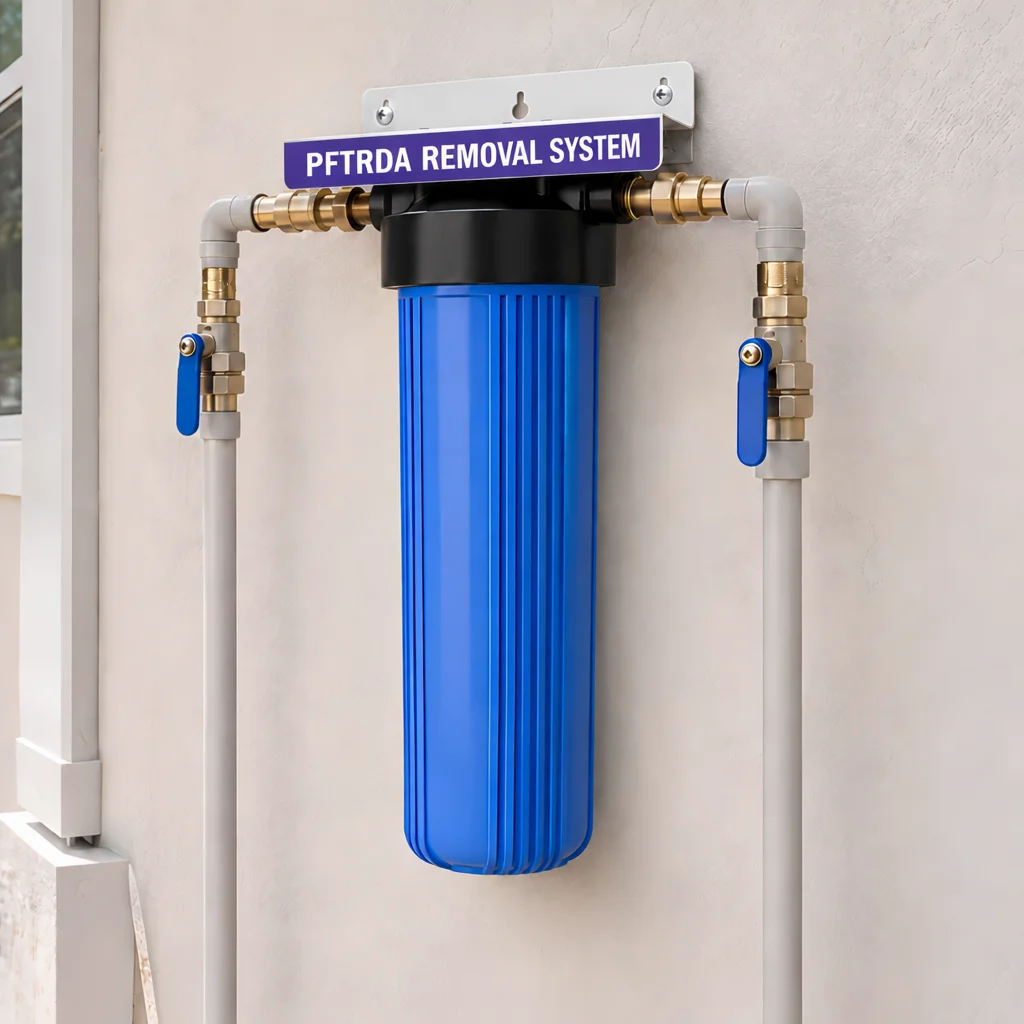
The most effective single-filter option for whole-home removal of PFTrDA is a high-capacity activated carbon system, commonly using granular activated carbon (GAC). Carbon filters adsorb PFAS as water flows through the media, and longer-chain PFAS like PFTrDA are generally more effectively captured by quality carbon than some shorter-chain compounds. Proper tank sizing and sufficient contact time are important so the system performs well at real household flow rates common in Broward County homes.
A whole-house carbon filter is placed at the main water inlet so every faucet and appliance in your Parkland home is treated without multiple point-of-use units. To maintain PFTrDA reduction, the carbon media must be replaced on a schedule tied to your household’s water use and the system’s capacity; adding a sediment pre-filter helps prevent clogging and channeling of the carbon bed. Mr. Pure Water can help Parkland homeowners select a properly sized whole-house activated carbon system designed to address PFAS like PFTrDA while factoring in local conditions such as South Florida’s hard water.
 954-208-3500
 info@bestwaterheater.com

