 Phone: 305-404-8790
 info@bestwaterheater.com
Phone: 305-404-8790
info@bestwaterheater.com
info@bestwaterheater.com
Phone: 305-404-8790
info@bestwaterheater.com
 Phone: 305-404-8790
info@bestwaterheater.com
Phone: 305-404-8790
info@bestwaterheater.com

Including filter system and high-performance PFUnA filter.


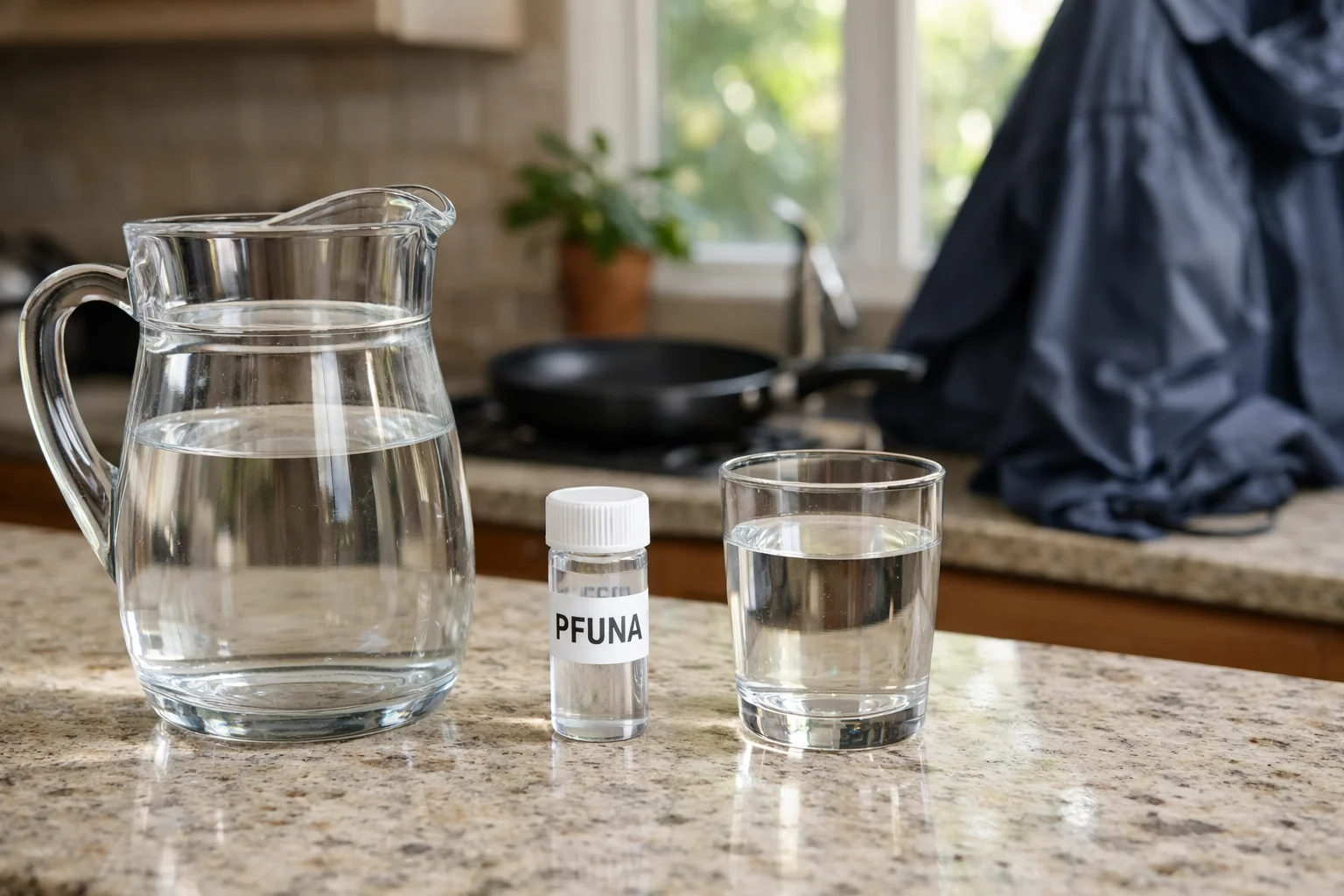
PFUnA is one of the PFAS compounds homeowners ask about when researching persistent contaminants that don’t break down easily. It can enter waterways through industrial uses and the gradual breakdown of related fluorinated materials, and it tends to remain in water rather than dissipating quickly. In Palm Springs North and greater Miami‑Dade County, many residents first hear about PFUnA from a utility notice, local reporting, or private testing, and the most useful next step is to consider treatments designed specifically to reduce PFAS.
Because PFUnA is generally found at very low concentrations, you won’t detect it by sight, smell, or taste, which makes testing important to understand what’s coming from your tap. PFAS like PFUnA behave differently than familiar issues such as chlorine, visible sediment, or the scale caused by hard water common in Miami‑Dade. That means standard cartridge filters or softeners won’t reliably address PFAS exposure; many Palm Springs North homeowners choose a whole‑house strategy to protect drinking, cooking, and shower water throughout the home.
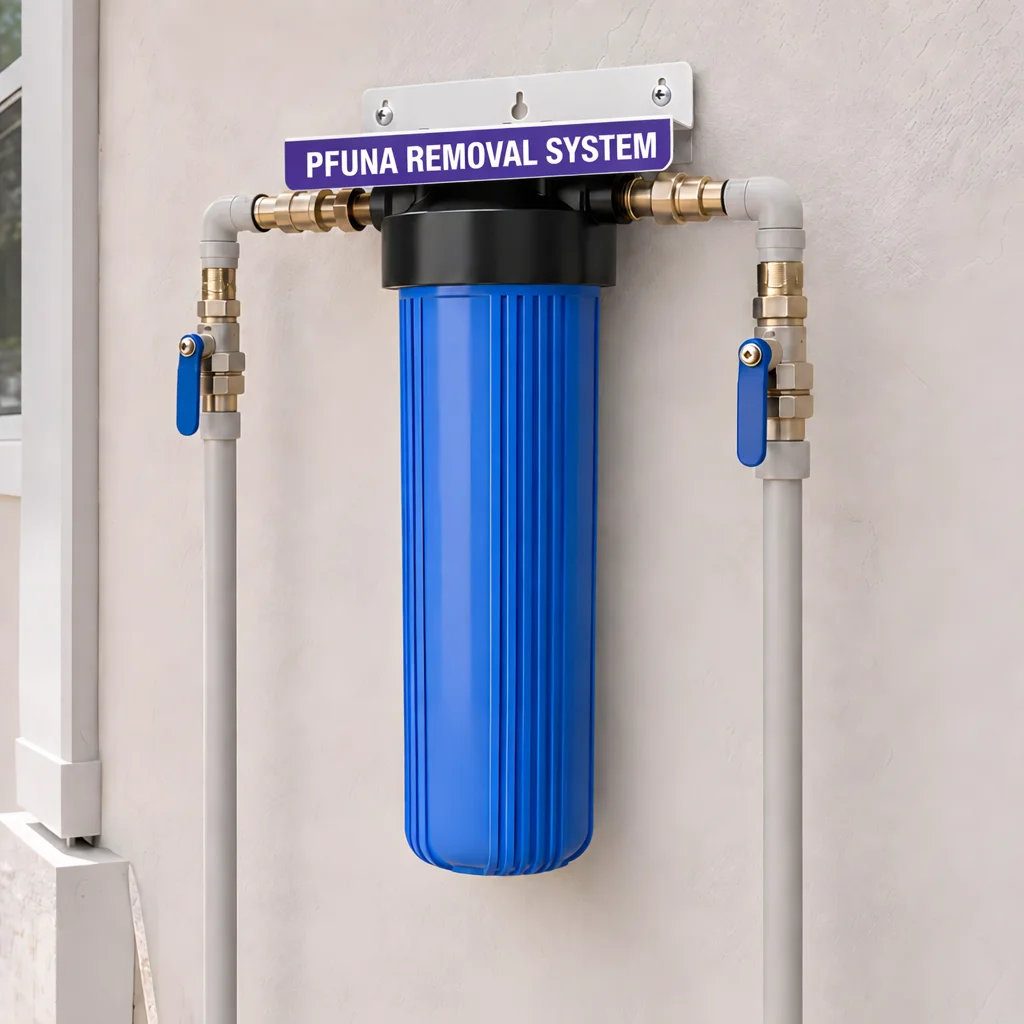
For whole‑house reduction of PFUnA, the most effective single‑filter residential option is a high‑quality granular activated carbon (GAC) system. GAC media offers a very large surface area that adsorbs many organic contaminants, including a range of PFAS. Effectiveness against PFUnA relies on selecting the right carbon type, ensuring adequate contact time, and controlling flow rates—so a properly sized carbon tank for your Palm Springs North home matters more than a small, fast‑flow cartridge.
Mr. Pure Water installs whole‑house GAC systems at the main water entry so treated water reaches every tap and appliance in your Palm Springs North residence, helping reduce PFUnA exposure during drinking, cooking, and bathing. We size systems around household water use to avoid short contact times that lower PFAS capture, and like all adsorption media, carbon must be serviced and replaced on schedule as it becomes loaded. If you have recent test results, bring them in and we’ll recommend the correct whole‑house carbon configuration for PFUnA reduction.
 305-404-8790
 info@bestwaterheater.com

