 Phone: 305-404-8790
 info@bestwaterheater.com
Phone: 305-404-8790
info@bestwaterheater.com
info@bestwaterheater.com
Phone: 305-404-8790
info@bestwaterheater.com
 Phone: 305-404-8790
info@bestwaterheater.com
Phone: 305-404-8790
info@bestwaterheater.com

Including filter system and high-performance PFUnA filter.


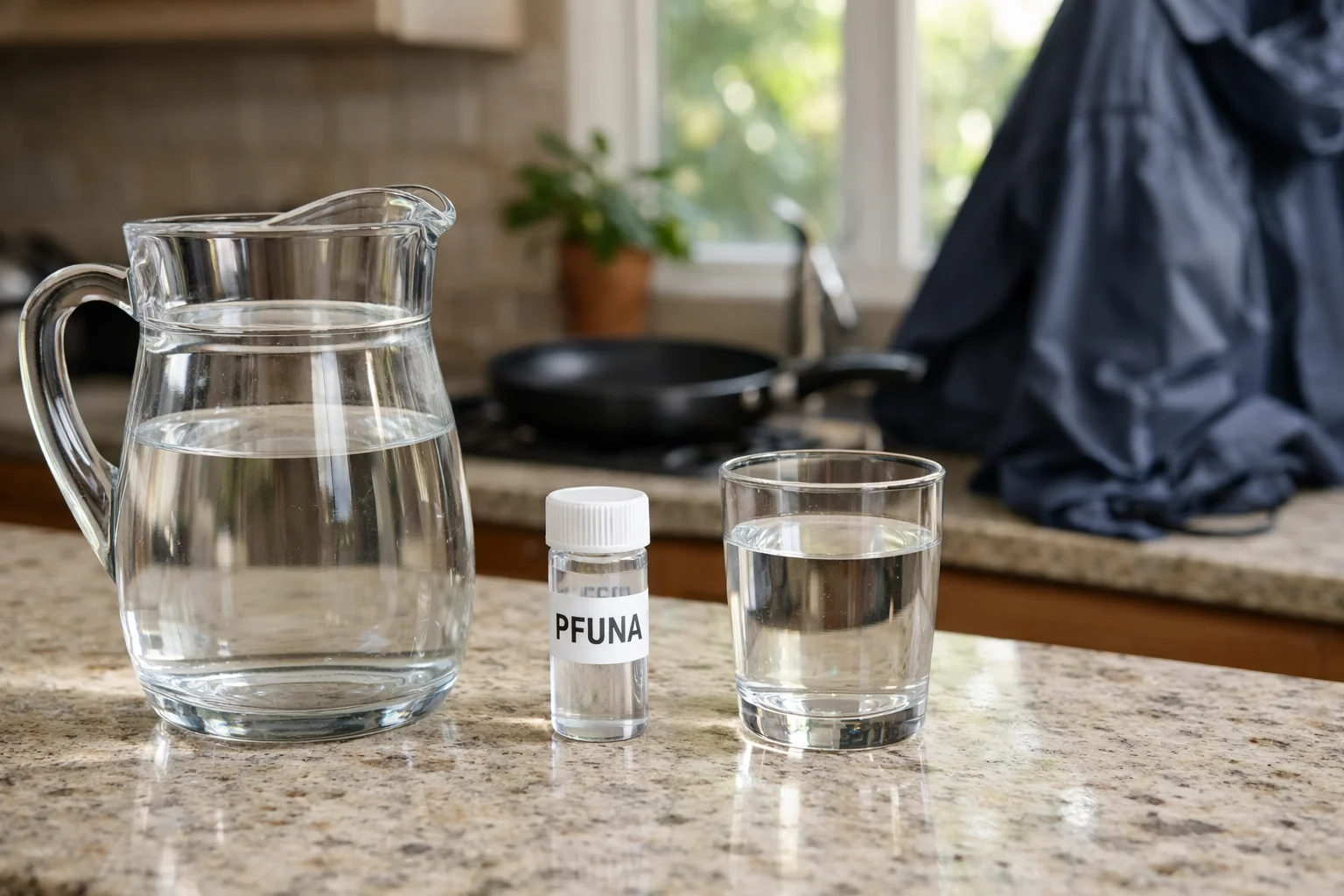
PFUnA is one of the PFAS chemicals homeowners read about when researching persistent, hard-to-remove contaminants in water. It can reach water supplies through industrial pathways and the breakdown of related fluorinated compounds, and it does not break down quickly. South Miami residents often learn about PFAS from utility notices, local news, or private testing—when that happens, the most useful next step is to consider treatment technologies that target PFAS specifically.
Because PFUnA usually exists at very low levels, you generally won’t detect it by sight, smell, or taste, which makes testing the only reliable way to know what’s in your tap water. PFAS like PFUnA act differently than familiar issues such as chlorine, sediment, or the hard water that’s common across Miami-Dade County, so simple cartridge filters often fall short. For South Miami homes—whether in Downtown South Miami, High Pines, or near the Shops at Sunset Place—a whole-house system can help reduce exposure from drinking, cooking, and showering.
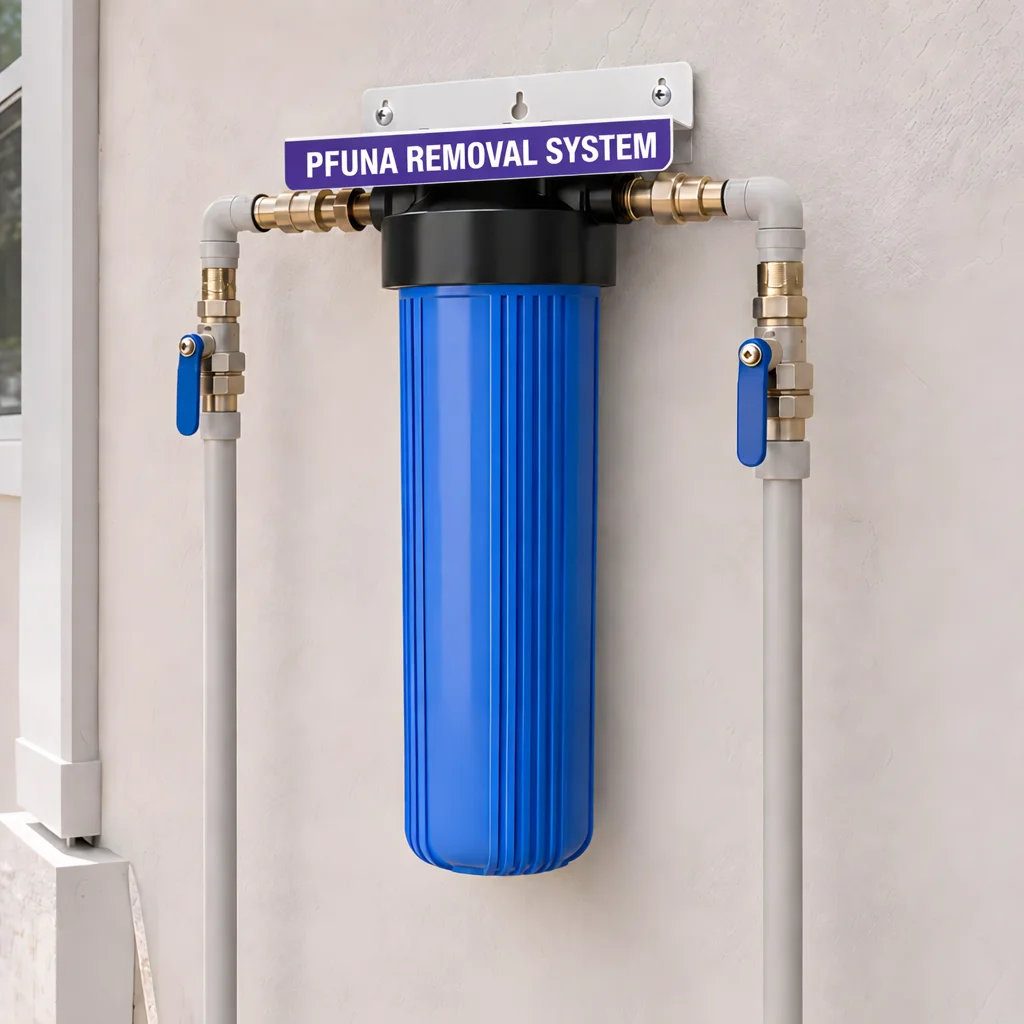
For whole-house PFUnA reduction, a granular activated carbon (GAC) tank is commonly the most effective single-filter solution used in residences. GAC offers a very large surface area that adsorbs many organic compounds, including a range of PFAS. Effective removal of PFUnA depends on using the right carbon type, allowing adequate contact time, and maintaining proper flow rates—so a correctly sized whole-house carbon tank matters more than a small, fast-flow cartridge filter.
Mr. Pure Water typically installs whole-house GAC systems at the point where municipal water enters South Miami homes so every tap and appliance benefits—from showers near University of Miami to kitchens by Dadeland Mall. We size systems to match household demand to prevent short contact times that reduce PFAS capture, and we schedule carbon maintenance and replacement because adsorption capacity declines as the media becomes loaded. If you have a recent water test, we’ll use those results to recommend the right GAC configuration for PFUnA reduction.
 305-404-8790
 info@bestwaterheater.com

