 Phone: 772-290-5223
 info@bestwaterheater.com
Phone: 772-290-5223
info@bestwaterheater.com
info@bestwaterheater.com
Phone: 772-290-5223
info@bestwaterheater.com
 Phone: 772-290-5223
info@bestwaterheater.com
Phone: 772-290-5223
info@bestwaterheater.com

Including filter system and high-performance Phosphates filter.


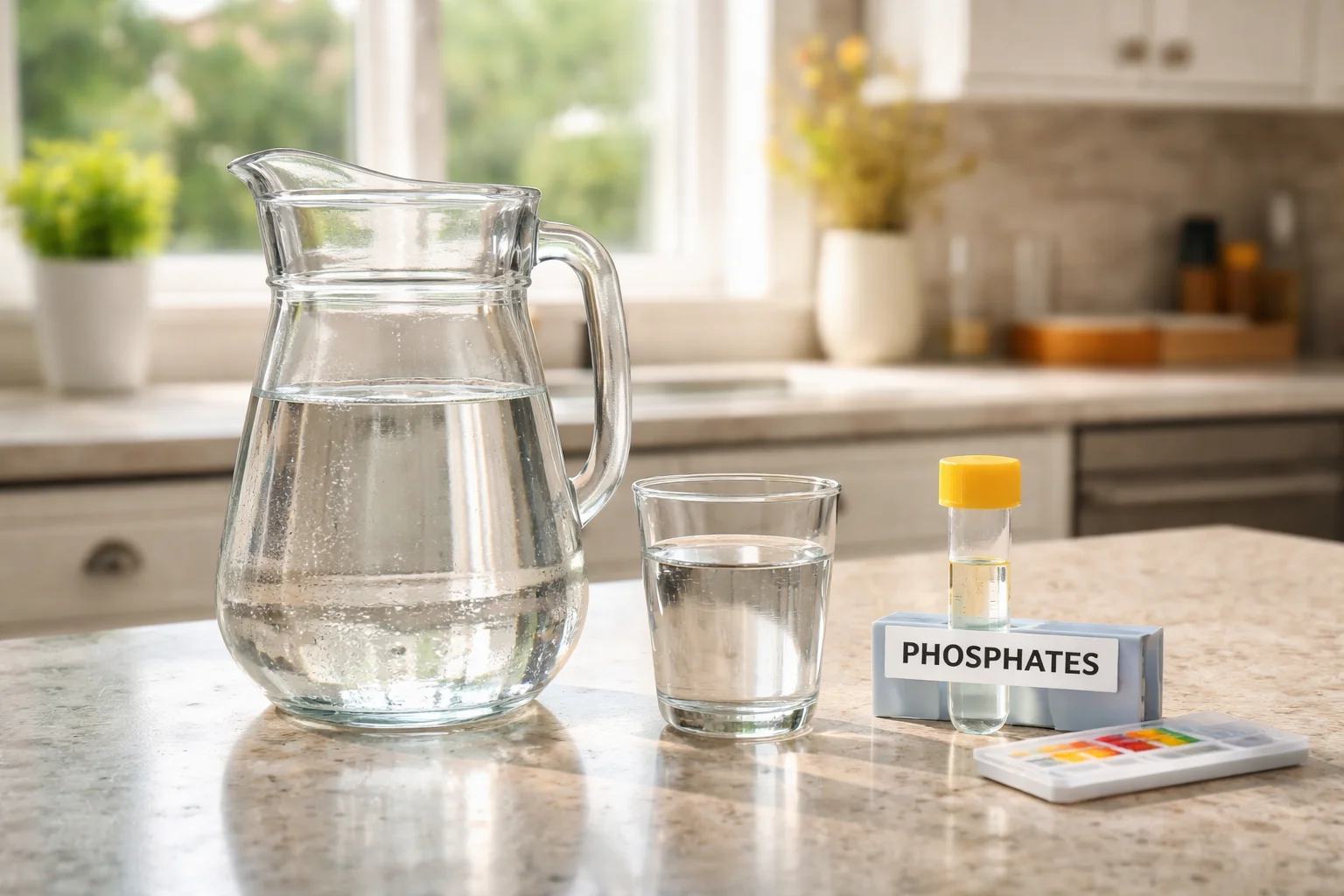
Phosphates can enter household water in several ways — from treatment additives used to control corrosion to runoff that reaches source supplies. Phosphates are a form of phosphorus, a naturally occurring nutrient, and while small amounts are usually unnoticeable, higher concentrations can change water chemistry and cause practical headaches around the house. Port LaBelle homeowners often begin investigating after seeing results on a water report, receiving lab testing, or noticing recurring issues with plumbing, appliances or scaling in this hard-water part of Hendry County.
Because phosphates affect how minerals behave, they can influence scale formation and interact with other common water concerns. In Port LaBelle — where inland Southwest Florida supplies tend to be mineral-rich — phosphates may appear alongside hardness, chlorides, or other dissolved constituents, so it’s helpful to consider your whole water profile rather than a single measurement. Learning how phosphate and related phosphorus compounds work in your water is a useful step toward keeping bathing, laundry and cooking consistent and trouble-free in your home.
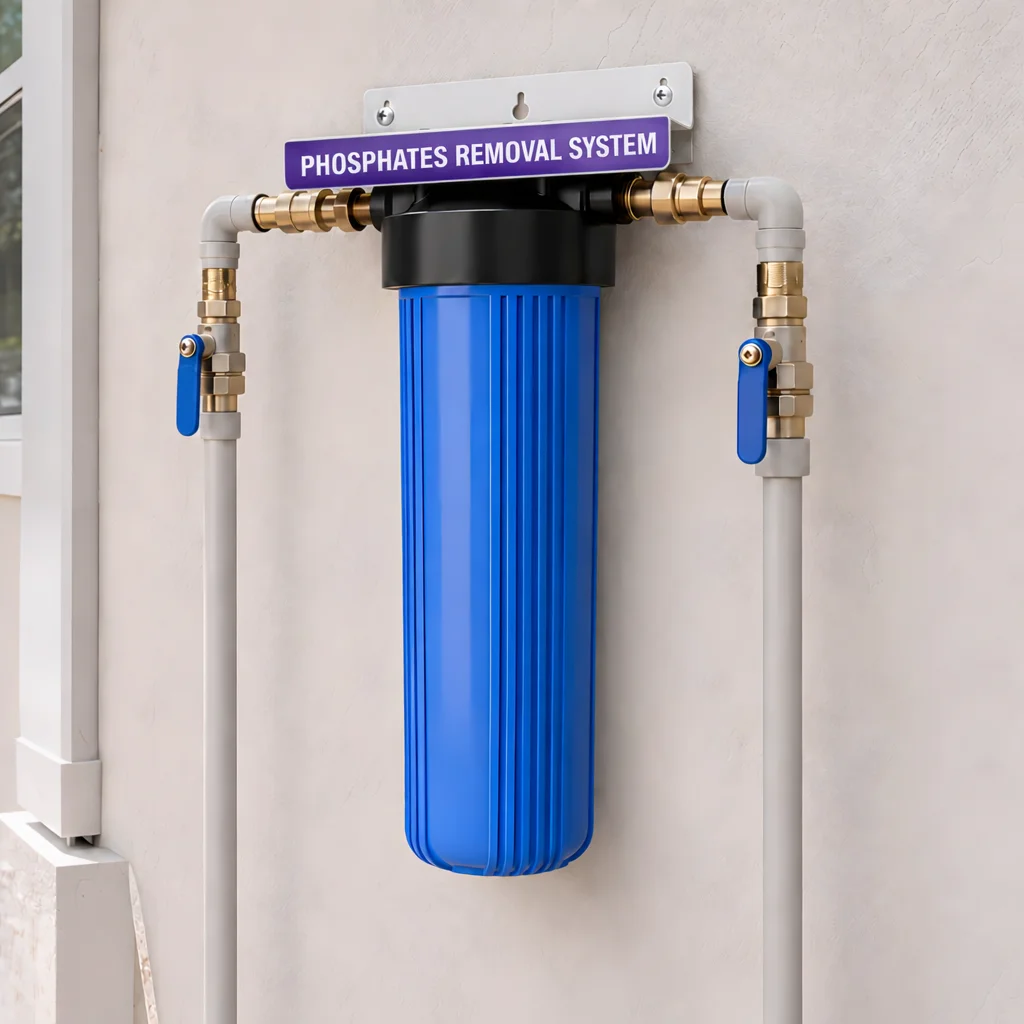
To cut dissolved phosphates throughout a residence, a single-point whole-house anion exchange filter is often the most reliable choice. These systems use a targeted resin that attracts and holds negatively charged ions like phosphate as water flows through, removing them where carbon or basic sediment filters won’t. For Port LaBelle households looking for phosphate reduction at every tap and appliance, anion exchange is a practical solution that treats water for the whole home rather than only one faucet.
Anion exchange effectiveness depends on your specific water chemistry because other anions — sulfate, nitrate, chloride — can compete with phosphate for resin capacity. That’s why Mr. Pure Water begins with your water test results from Port LaBelle, selects the right media and system size for your household usage, and establishes a maintenance schedule to keep removal steady. In many homes, adding sediment prefiltration and a carbon stage to protect the resin and remove chlorine will improve long-term performance and help the whole-house system run smoothly.
 772-290-5223
 info@bestwaterheater.com

