 Phone: 772-290-5223
 info@bestwaterheater.com
Phone: 772-290-5223
info@bestwaterheater.com
info@bestwaterheater.com
Phone: 772-290-5223
info@bestwaterheater.com
 Phone: 772-290-5223
info@bestwaterheater.com
Phone: 772-290-5223
info@bestwaterheater.com

Including filter system and high-performance Phosphates filter.


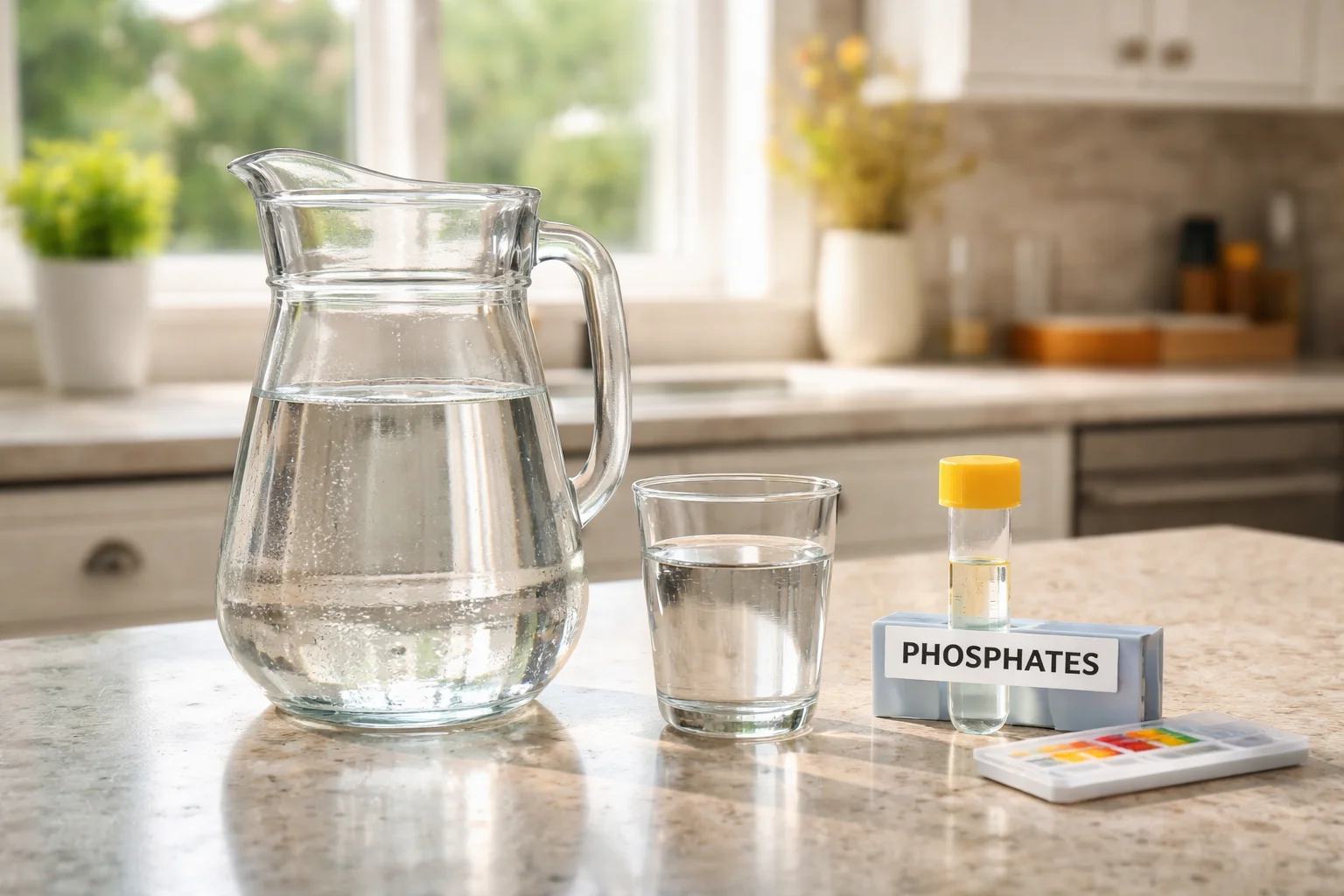
Phosphates can enter household water for a few reasons — treatment chemicals meant to limit corrosion, or runoff that reaches local sources like the St. Lucie River and Indian River Lagoon. Known chemically as a form of phosphorus, phosphate is a common environmental nutrient that at low concentrations may go unnoticed but at higher amounts can change water chemistry and create nuisance effects in plumbing and appliances. In Port Sewall many homeowners begin investigating after seeing a lab result, a utility report, or noticing scale and other recurring issues in fixtures and appliances.
Phosphates affect how minerals behave in water, so while they can sometimes alter scale formation they become a concern when concentrations rise or when they occur alongside other issues like hardness. Given Port Sewall’s hard, coastal water supplies and humid subtropical climate, it’s especially useful to consider phosphate alongside total dissolved solids, hardness, and other anions rather than treating it in isolation. For safe, consistent water for bathing, laundry and cooking, understanding which phosphorus compounds are present and how they interact with your plumbing is the right first step toward good treatment decisions.
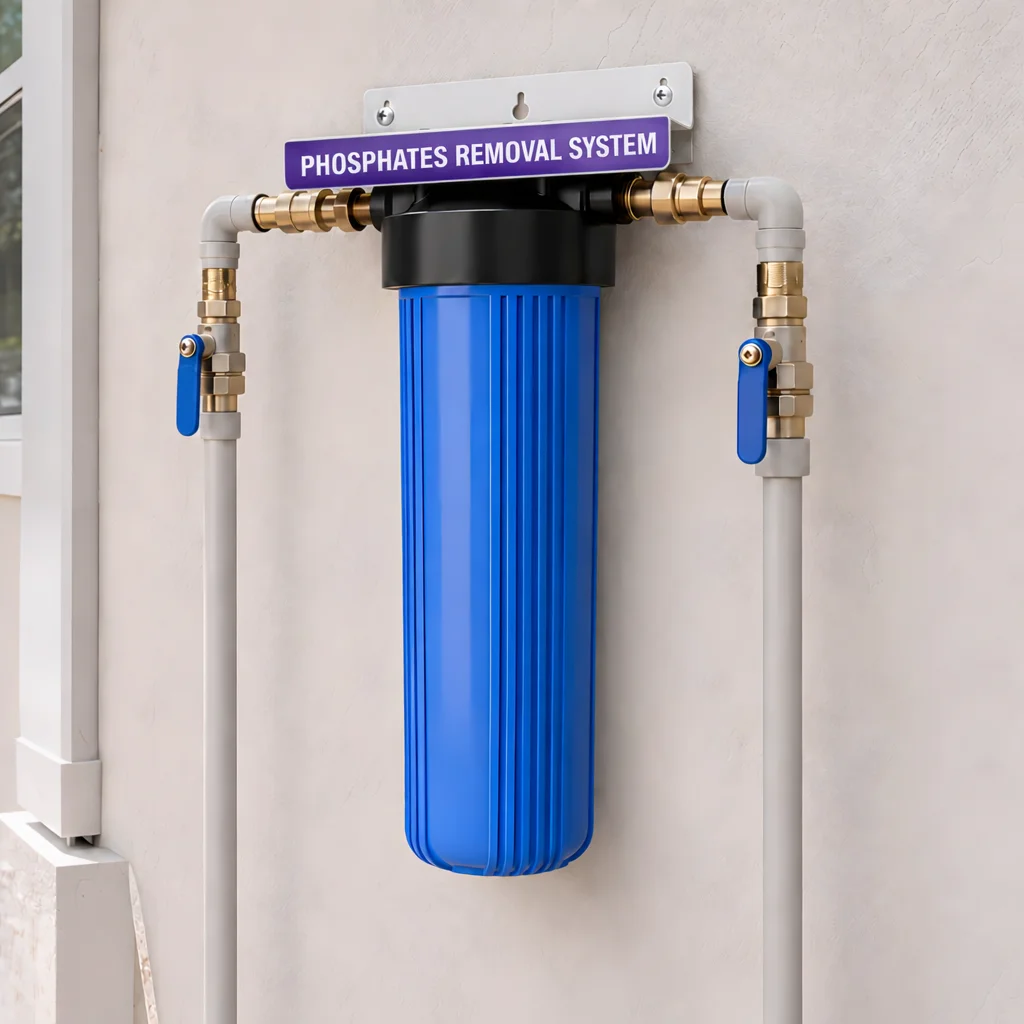
To lower dissolved phosphates throughout a home, a single-point whole-house anion exchange filter is often the most reliable choice. These systems use a specialty resin that selectively captures negatively charged ions such as phosphate as water flows through the tank. Unlike simple sediment or carbon filters, anion exchange addresses the chemistry that keeps phosphates dissolved and is designed to protect every outlet in the house rather than treating only one faucet.
Anion exchange effectiveness depends on your water’s overall chemistry because competing anions — sulfate, nitrate, chloride — and hardness can reduce resin capacity. That’s why at Mr. Pure Water we begin with a test of your Port Sewall water, then size the media and system to your household demand and set a maintenance schedule to keep removal steady. In many local homes a sediment prefilter and a carbon stage for chlorine help shield the phosphate-removal resin and improve long-term performance, giving you whole-house protection without fuss.
 772-290-5223
 info@bestwaterheater.com

