 Phone: 305-404-8790
 info@bestwaterheater.com
Phone: 305-404-8790
info@bestwaterheater.com
info@bestwaterheater.com
Phone: 305-404-8790
info@bestwaterheater.com
 Phone: 305-404-8790
info@bestwaterheater.com
Phone: 305-404-8790
info@bestwaterheater.com

Including filter system and high-performance Phthalates filter.


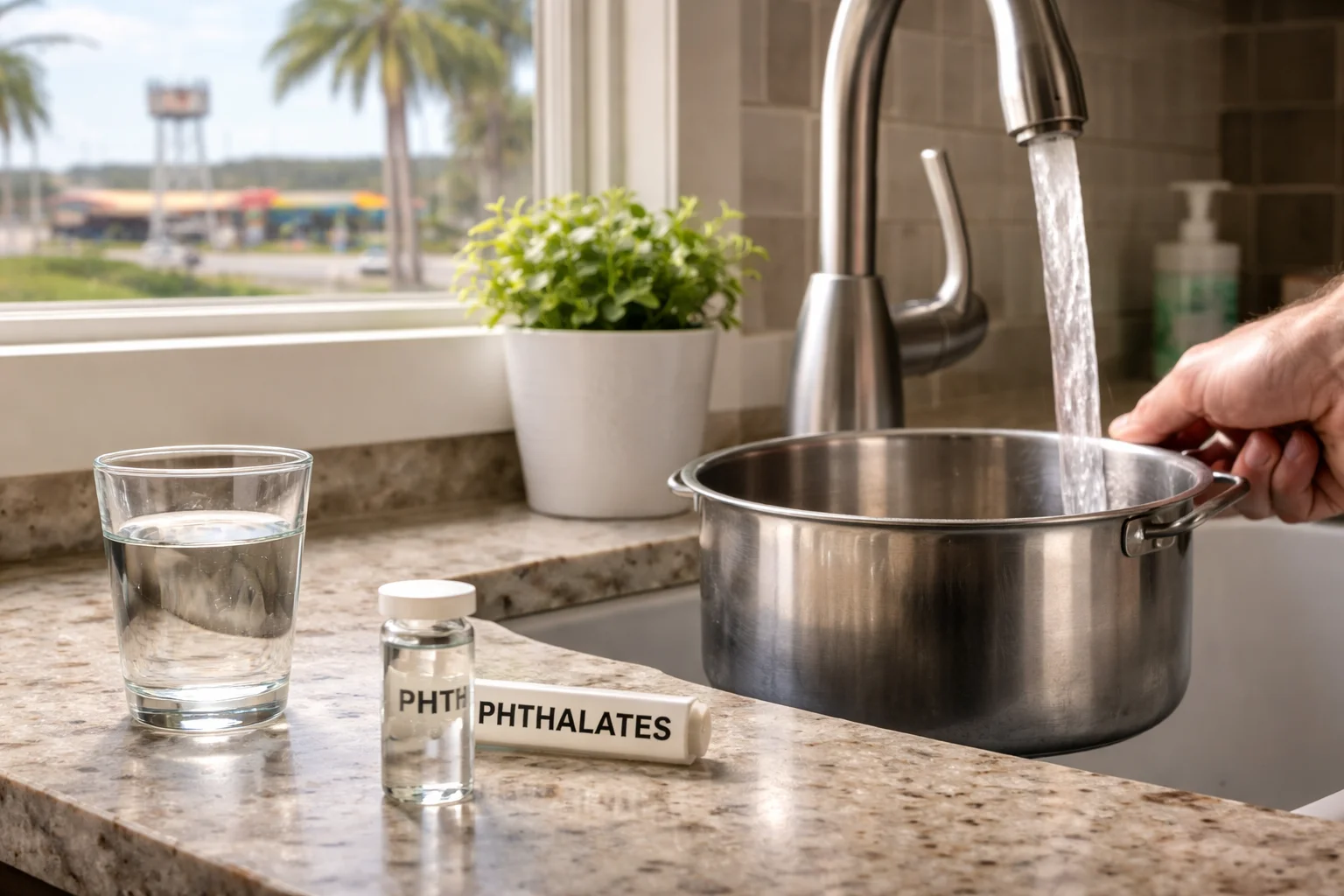
Phthalates are a group of chemicals commonly used as plasticizers to make plastics more flexible and resilient. They can find their way into water when plastic materials degrade or when trace organics re-enter waterways from parts of the waste stream. Because phthalates are widespread in everyday products, they tend to appear as low-level, intermittent contaminants rather than a steady source. Homestead homeowners often hear about them from water quality reports, local news, or simply from wanting to minimize household chemical exposure.
You won’t detect phthalates by sight, taste, or smell at the tap, which is why many families in Homestead choose to treat proactively — especially in an area where hard water can add other mineral issues. Treating broadly for dissolved organic chemicals rather than only for sediment or chlorine tastes is the better path when you want whole-home protection. A whole-house system treats water used for bathing, laundry, cooking and outdoor uses so every fixture benefits, not just a single drinking faucet.
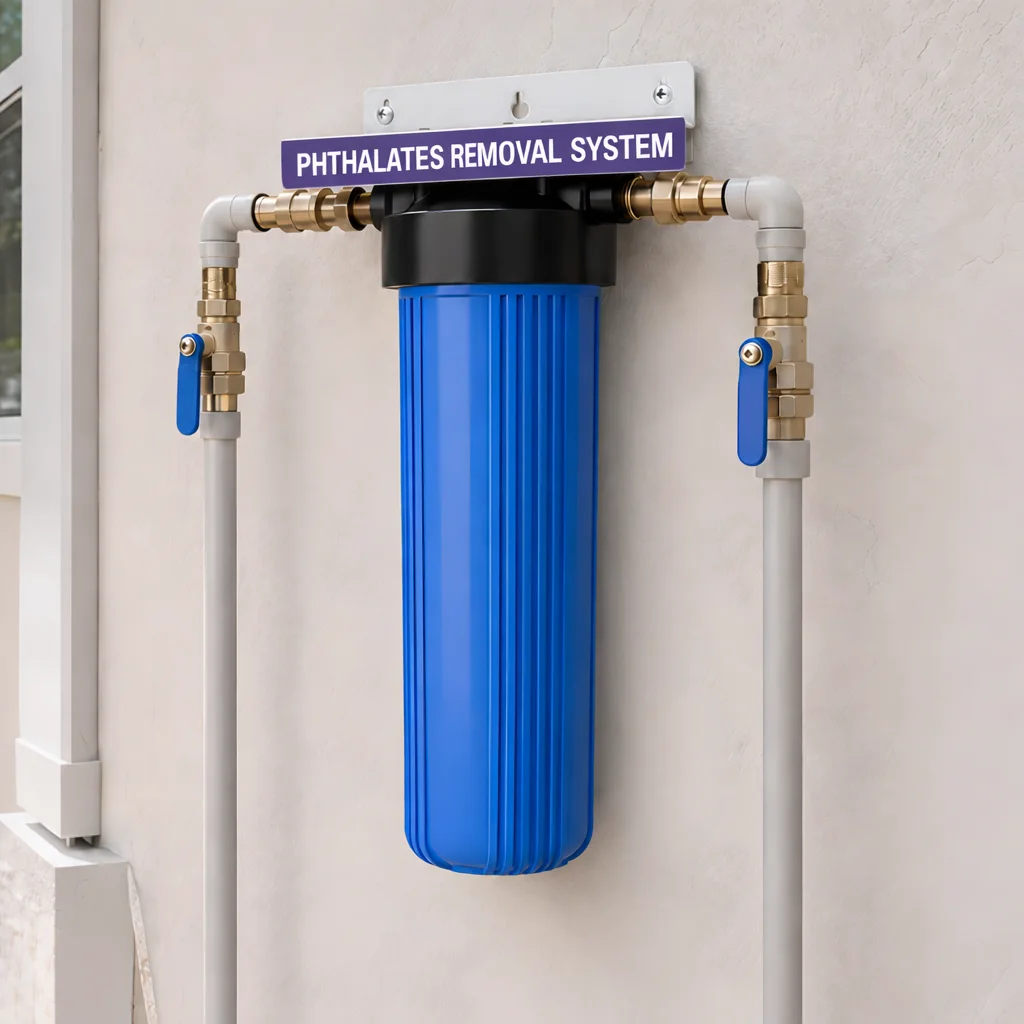
To reduce phthalates and other plasticizers across your property, a single whole-house granular activated carbon (GAC) filter is usually the most effective standalone choice. GAC removes many dissolved organic compounds by adsorbing them onto the carbon as water flows through, which is a different process than sediment filtration. When sized correctly, a GAC tank gives the contact time needed to capture trace organics more reliably for homes throughout southern Miami-Dade County, including areas like Naranja, Leisure City and Redland.
Performance depends on proper system design: sufficient carbon volume, controlled flow rate, and routine media change-outs. A whole-house GAC unit is placed at the water entry point so every tap in your Homestead home is covered; pairing it with a sediment prefilter can protect the carbon from premature clogging in our hard-water conditions. Mr. Pure Water can assess your household flow needs and recommend the right GAC sizing so reduction of phthalates stays steady even during heavy use or after storm-related water concerns.
 305-404-8790
 info@bestwaterheater.com

