 Phone: 305-404-8790
 info@bestwaterheater.com
Phone: 305-404-8790
info@bestwaterheater.com
info@bestwaterheater.com
Phone: 305-404-8790
info@bestwaterheater.com
 Phone: 305-404-8790
info@bestwaterheater.com
Phone: 305-404-8790
info@bestwaterheater.com

Including filter system and high-performance Picloram filter.


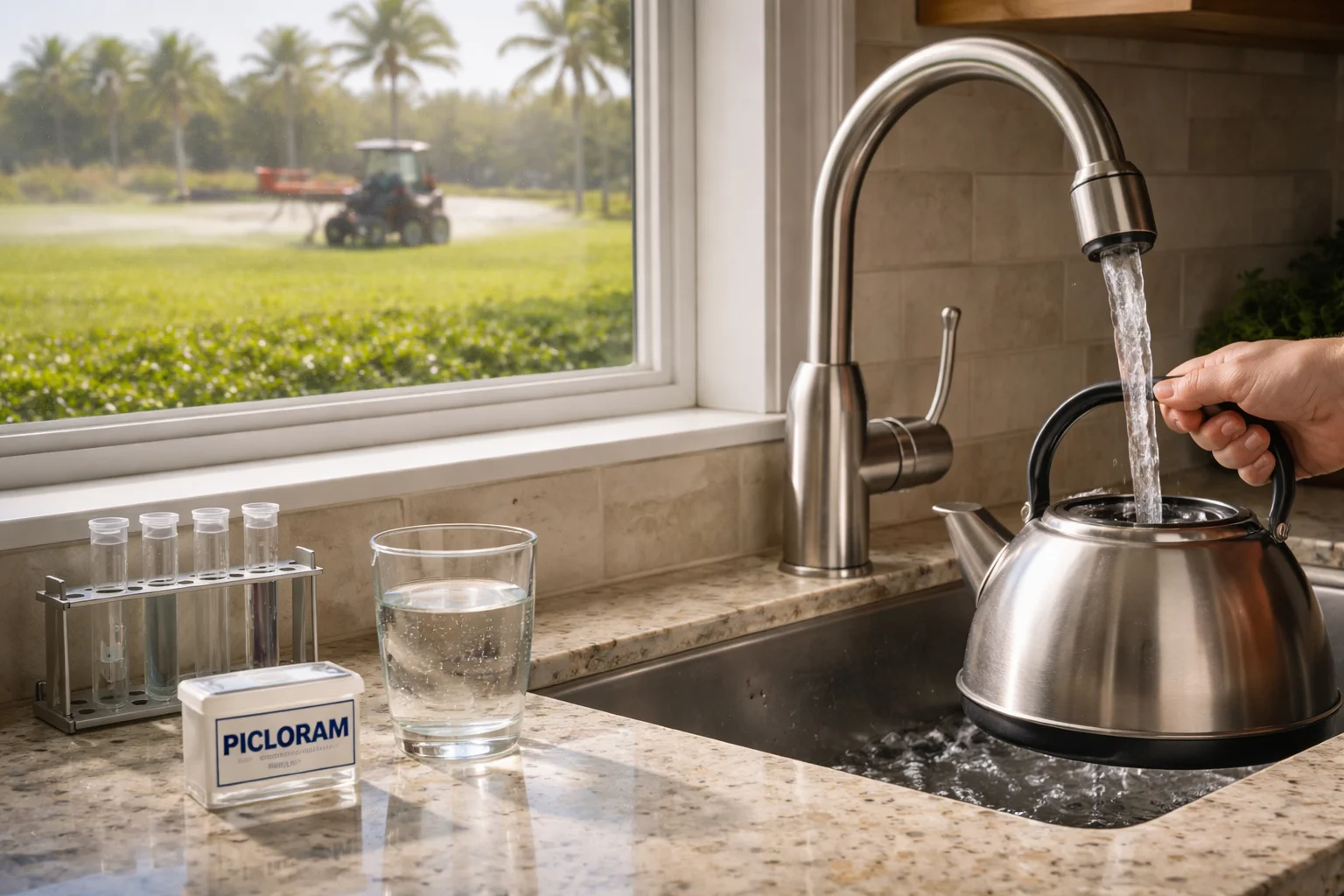
Picloram is a herbicide that can wash into water supplies from runoff and soil movement near treated areas, and it’s often undetectable by taste, smell, or sight. In Homestead, where gardeners, nurseries, and rural edges meet suburban yards, concerns about trace contaminants like picloram are best addressed by testing and treating where water enters your home rather than relying on point-of-use fixes.
Because picloram was formulated to persist in the environment, simple cartridge filters don’t always remove it effectively. Homeowners across southern Miami-Dade — from Redland to Leisure City and Naranja — frequently want protection for cooking, drinking, bathing, and rinsing produce, so whole-house treatment is a sensible choice. Whether you’re on a private well or connected to a public system, consistent treatment at the mainline avoids dependence on a single faucet filter that can be forgotten or bypassed.
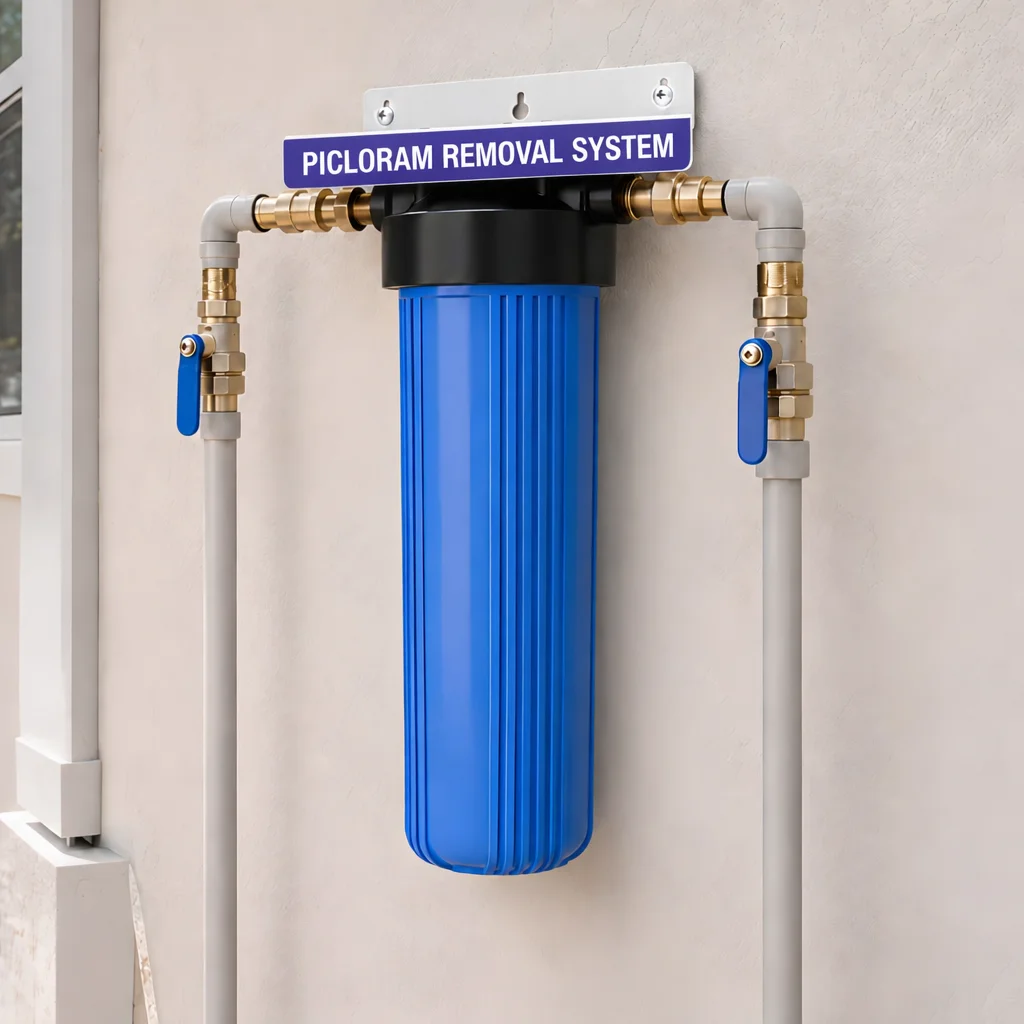
For reducing picloram throughout the home, a high-capacity activated carbon system — typically granular activated carbon (GAC) in a whole-house tank — is the most effective single-filter option. Carbon media adsorbs many organic chemicals, including some herbicides, as water passes through the media bed. Compared with small under-sink cartridges, a properly sized whole-house carbon tank in a Homestead home gives longer contact time and treats every outlet, from the kitchen sink to showers affected by the region’s hard water.
Because water chemistry, concentration, and flow rates influence picloram reduction, choosing the correct carbon media and tank size should follow a water test and assessment of household demand. In southern Miami-Dade’s hot, humid climate — where hard water can contribute to mineral scale — Mr. Pure Water recommends matching a whole-house carbon system to your specific results and pairing it with prefiltration when needed to protect the media and ensure steady performance for showers, laundry, and everyday use.
 305-404-8790
 info@bestwaterheater.com

