 Phone: 305-404-8790
 info@bestwaterheater.com
Phone: 305-404-8790
info@bestwaterheater.com
info@bestwaterheater.com
Phone: 305-404-8790
info@bestwaterheater.com
 Phone: 305-404-8790
info@bestwaterheater.com
Phone: 305-404-8790
info@bestwaterheater.com

Including filter system and high-performance Potassium filter.



Potassium is a naturally occurring mineral that can enter drinking water as it travels through soil and rock. While small amounts are common, higher concentrations may matter for people who must limit potassium for health reasons. In Miami-Dade County — including Richmond Heights, where drinking water comes largely from the Biscayne Aquifer and tends to be hard — potassium can be present without any noticeable taste or smell, so the only way to know is through testing.
Many Richmond Heights homeowners first learn about potassium when a lab result flags elevated mineral content alongside sodium, chloride, or total dissolved solids. Potassium in water exists as dissolved ions, so it won’t settle out and won’t be removed by basic sediment filters; it can also pass through many common carbon filters that target taste and odor. If you want to manage potassium at the tap, start with a proper water test to confirm its level and chemical form.
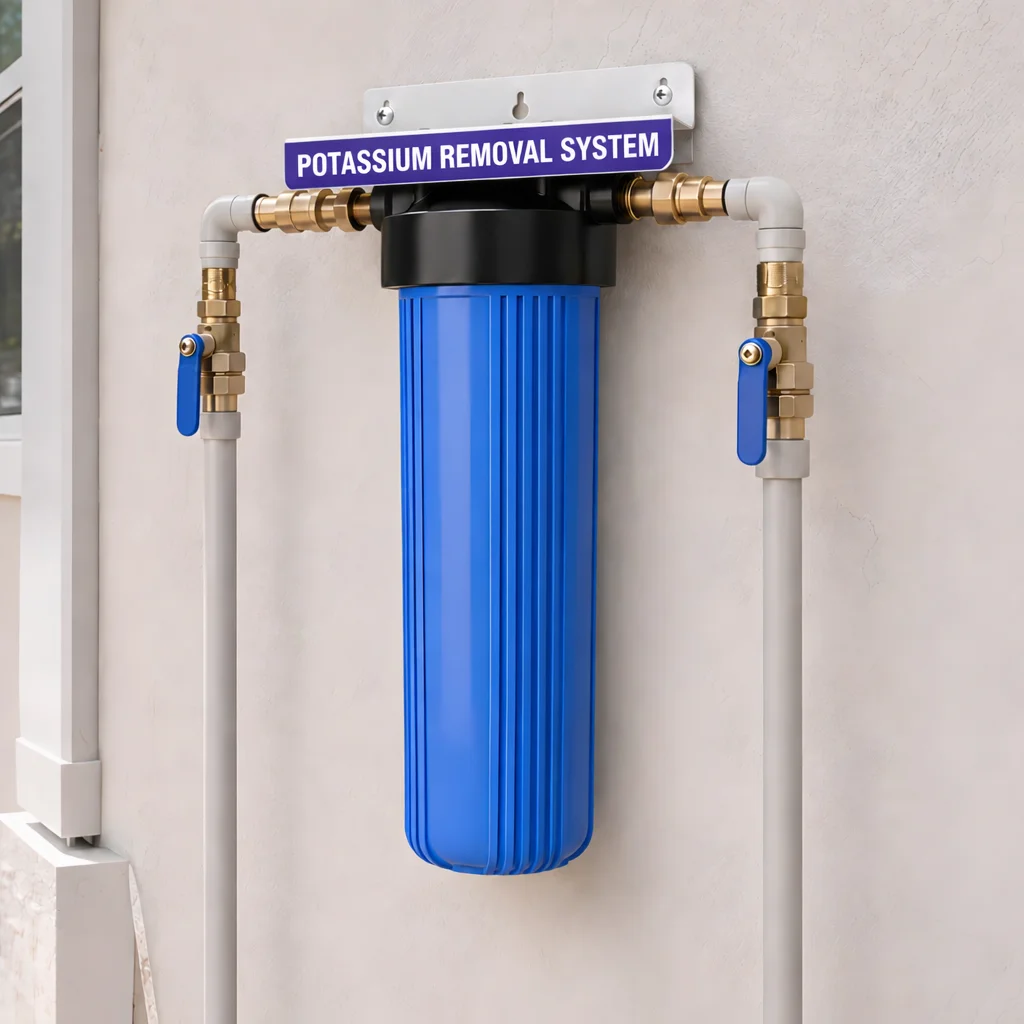
The most effective single-filter choice for whole-home potassium reduction is a whole-house reverse osmosis system. RO relies on a semipermeable membrane that rejects dissolved ions like potassium rather than just trapping particles, so it’s suited to lowering dissolved mineral levels. Installed ahead of your fixtures, a whole-house RO system provides treated water to every tap in Richmond Heights for consistent results.
Whole-house reverse osmosis setups are normally paired with prefiltration to protect the membrane from sediment and from disinfectants like chlorine or chloramine that can shorten its life. The RO membrane handles the bulk of potassium removal while the pre- and post-stages preserve performance and reduce maintenance. Because RO produces a concentrate stream, the system needs an appropriate drain and enough installation space; Mr. Pure Water can help size and site the system for your Richmond Heights home based on your water test and daily use.
 305-404-8790
 info@bestwaterheater.com

