 Phone: 772-290-5223
 info@bestwaterheater.com
Phone: 772-290-5223
info@bestwaterheater.com
info@bestwaterheater.com
Phone: 772-290-5223
info@bestwaterheater.com
 Phone: 772-290-5223
info@bestwaterheater.com
Phone: 772-290-5223
info@bestwaterheater.com

Including filter system and high-performance Radon filter.


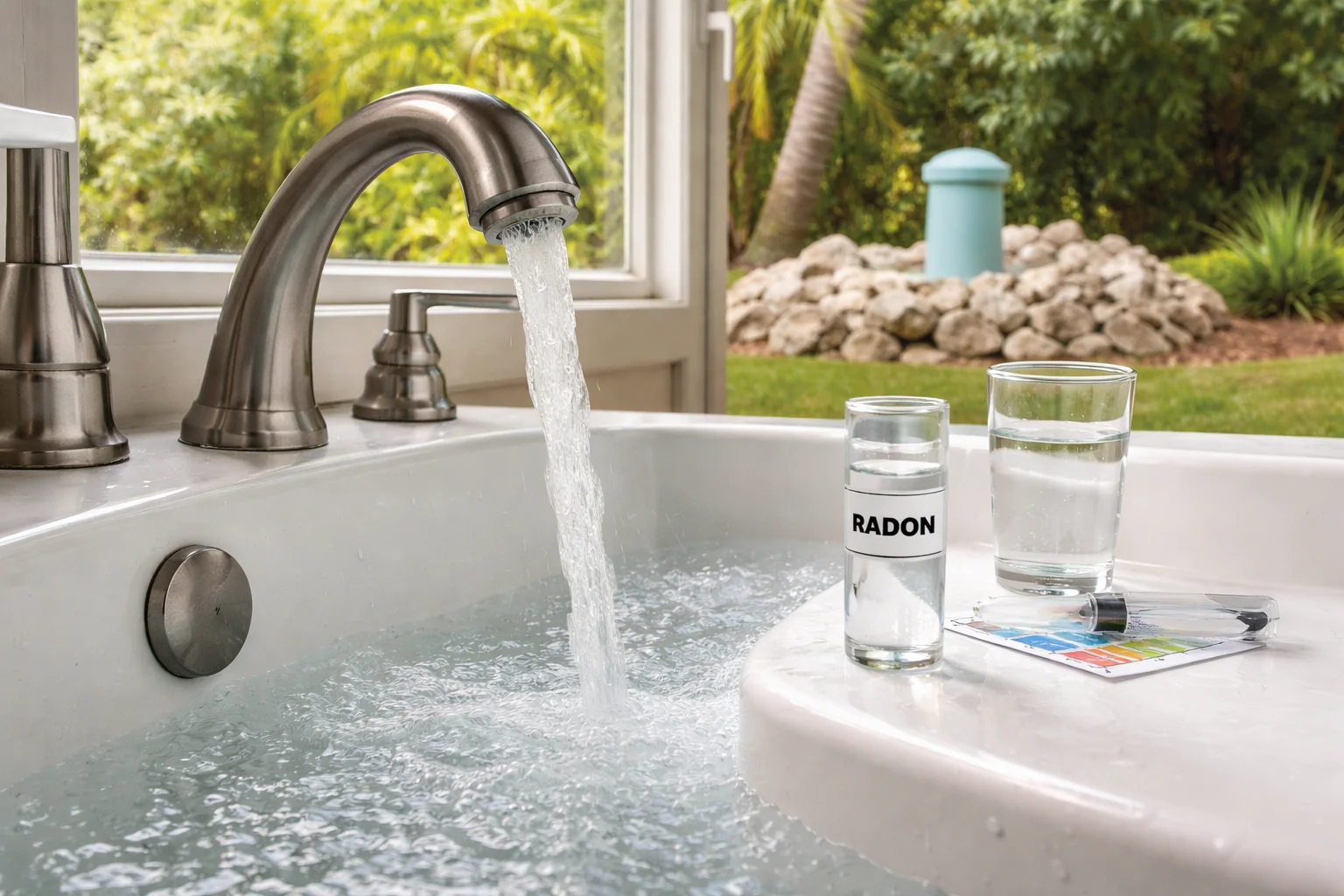
Radon is a natural radioactive gas that can dissolve into groundwater and enter a household’s supply. Although most people hear about radon as an indoor air problem, it can also come from well water or other sources and be released into the air when you shower, run a dishwasher, or do laundry. For Hall City homeowners who are protecting family health and indoor air quality, it’s common to consider both water and air when evaluating radon risks.
Because radon has no taste, smell, or color, you can’t detect it by looking at or tasting water. The only reliable way to know whether your Hall City home’s water contains radon is to test it, since levels can vary even between nearby properties. If testing shows elevated radon, taking steps that match your plumbing layout and daily water use makes sense—many local homeowners choose a whole-house strategy so treatment happens at the point where water enters the house.
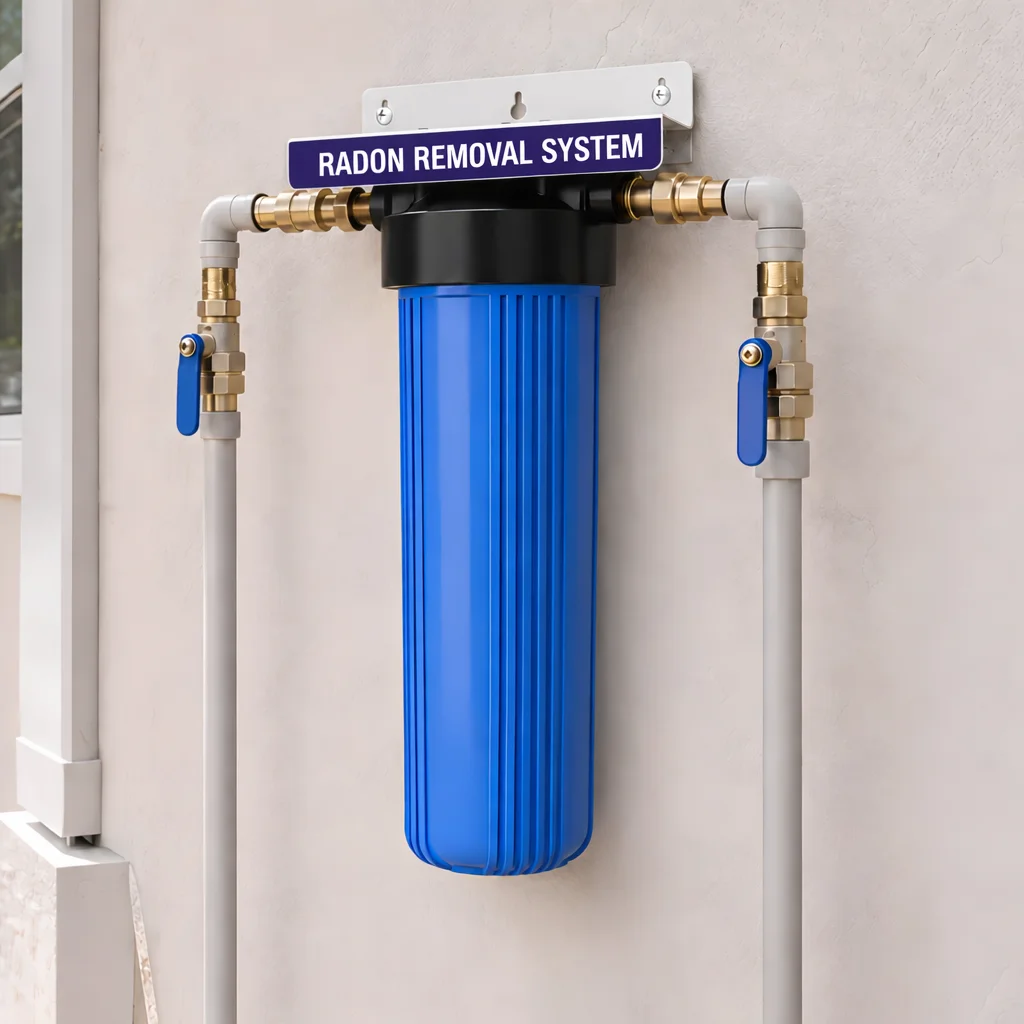
To cut radon in household water, the single most effective treatment is usually a whole-house aeration system installed at the main water line. Aeration transfers radon out of the water and into a controlled air stream before that water reaches showers, faucets, and appliances. Because radon is a gas, methods that remove or strip gases are generally more direct than typical sediment or carbon filters, giving lower radon throughout the entire home rather than just at one tap.
A whole-house aeration filter is a self-contained unit that mixes air with incoming water and vents the radon-rich air safely outside the house. Placed ahead of the water heater and the rest of the plumbing, it treats all water used for bathing, cooking, and cleaning. In Hall City’s humid subtropical climate, pairing aeration with prefiltration can also help limit biofilm and sediment from affecting system performance. Mr. Pure Water can advise on the right aeration model and installation spot to keep your whole-home system running reliably.
 772-290-5223
 info@bestwaterheater.com

