 Phone: 850-772-1365
 info@bestwaterheater.com
Phone: 850-772-1365
info@bestwaterheater.com
info@bestwaterheater.com
Phone: 850-772-1365
info@bestwaterheater.com
 Phone: 850-772-1365
info@bestwaterheater.com
Phone: 850-772-1365
info@bestwaterheater.com

Including filter system and high-performance Radon filter.


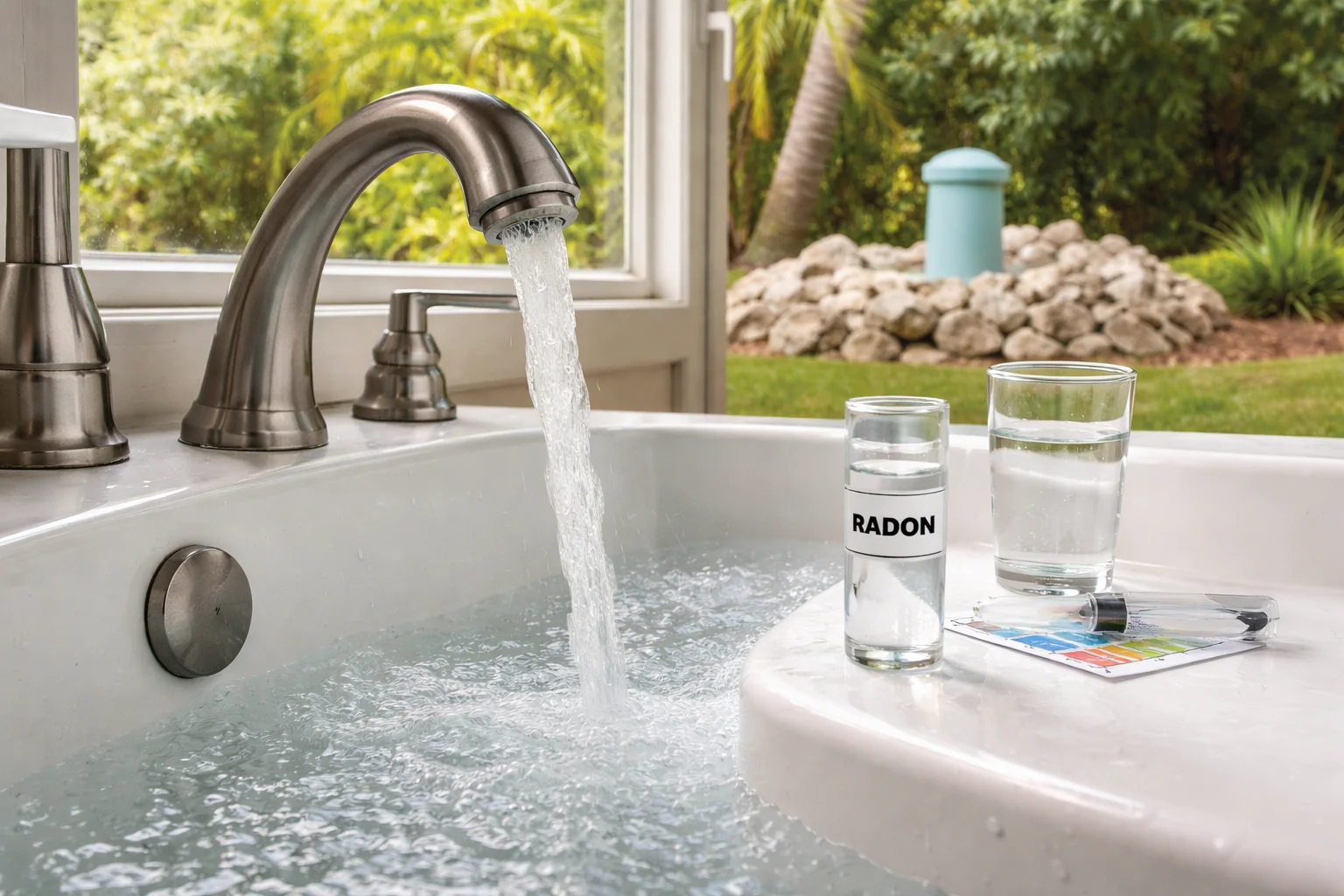
Radon is a naturally occurring radioactive gas that can dissolve into groundwater and enter a home’s water supply. Though people usually hear about radon in indoor air, it can also be present in well water and other sources, releasing into the air when you shower, run the dishwasher, or do laundry. Homeowners in Jonesboro should consider both water and air when checking for radon so they know where exposures might occur and can take appropriate steps.
Because radon has no taste, smell, or color, you can’t detect it by looking at or tasting your water — testing is the only reliable way to know what’s in your supply. Levels can differ from one street to the next, so Jonesboro residents often test their own homes rather than relying on neighbors’ results. If testing shows elevated radon in your water, a plan that matches your home’s plumbing and daily water use is the next step; many people find a whole-house solution easiest for protecting every faucet and appliance.
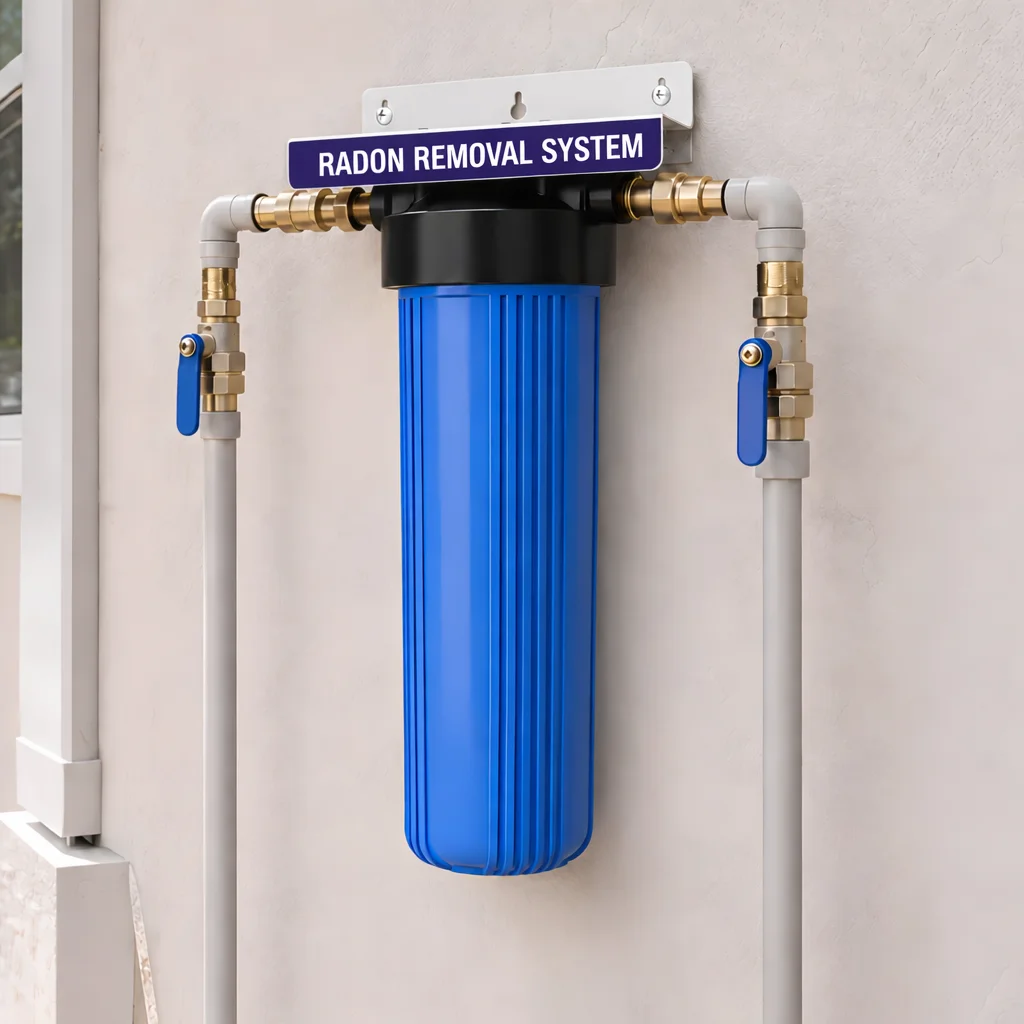
The most effective single treatment for reducing radon in household water is generally a whole-house aeration system installed at the main water line. Aeration transfers radon out of the water into a controlled airflow before water reaches showers, sinks, and laundry — a direct approach since radon is a gas. Compared with sediment or carbon-only filters, an aeration unit addresses radon throughout the home instead of treating only one tap.
A whole-house aeration filter is a contained unit that mixes air with incoming water and vents the radon-laden air safely outside, and it’s installed before the water heater and house plumbing so all water use is treated. In some Jonesboro homes, pairing the aeration unit with prefiltration helps protect the system and maintain performance. Mr. Pure Water can assess your property and recommend the right aeration size and placement for reliable, whole-home radon reduction.
 850-772-1365
 info@bestwaterheater.com

