 Phone: 407-214-2646
 info@bestwaterheater.com
Phone: 407-214-2646
info@bestwaterheater.com
info@bestwaterheater.com
Phone: 407-214-2646
info@bestwaterheater.com
 Phone: 407-214-2646
info@bestwaterheater.com
Phone: 407-214-2646
info@bestwaterheater.com

Including filter system and high-performance Salinity filter.


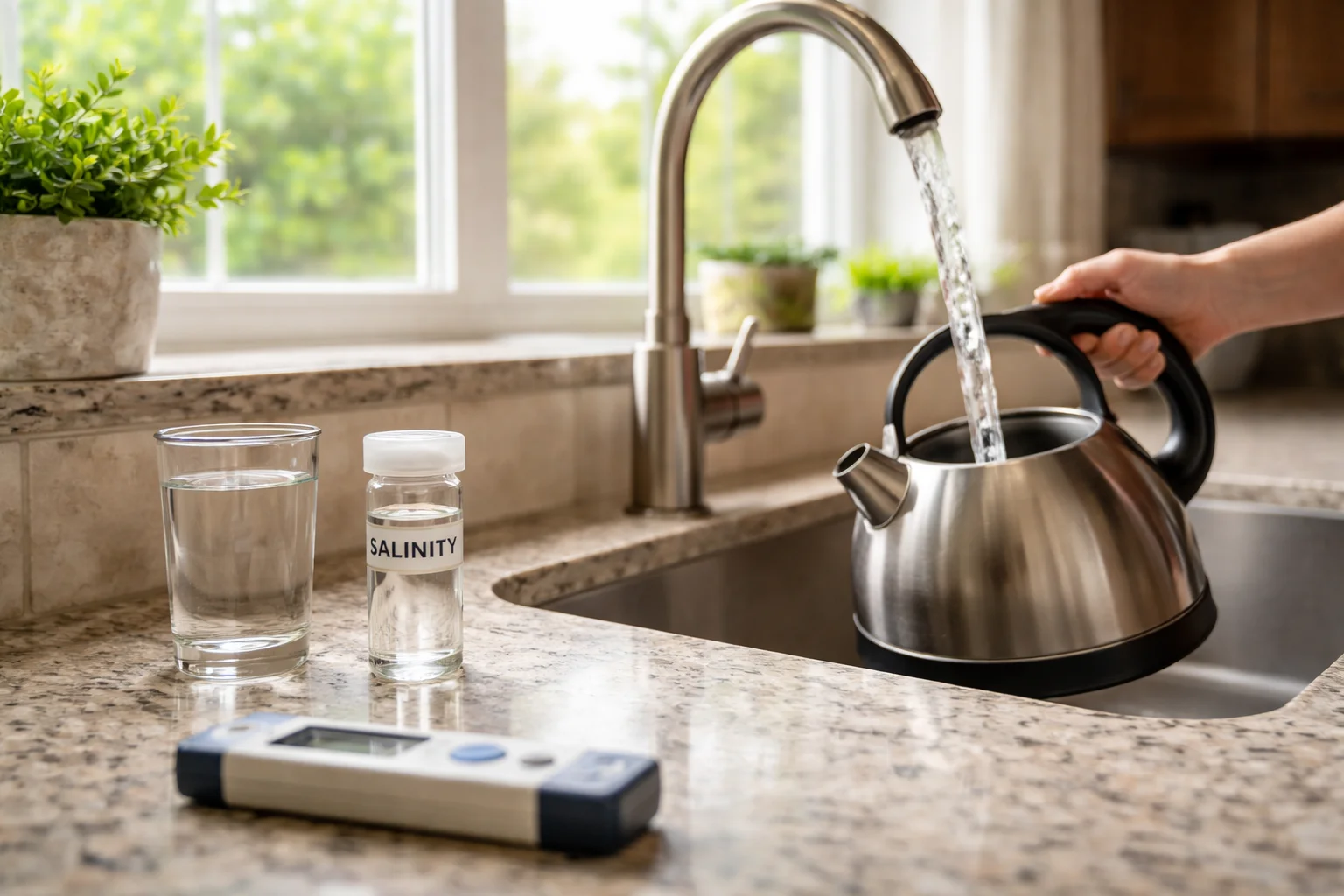
Salinity refers to the amount of dissolved salts in your water, and when levels rise you’ll often notice a faint salty or mineral flavor. It can also make glassware spot more easily and keep soap from lathering well. In Christmas, seasonal shifts, private wells, or different supply blends can cause salinity to vary from tap to tap, so the change may be subtle at first. Homeowners usually become aware of it most when tasting drinking water or cooking.
Higher salinity often shows up as higher total dissolved solids (TDS), including sodium, chloride and other minerals. Those dissolved salts can be naturally present in the source water or appear when supplies mix, and they can be harder on fixtures and appliances over time. In a hard-water area like central Orange County, and where many Christmas homes rely on private wells with variable chemistry, residents often want straightforward answers about what’s coming from each tap—especially if someone in the household is watching sodium intake.
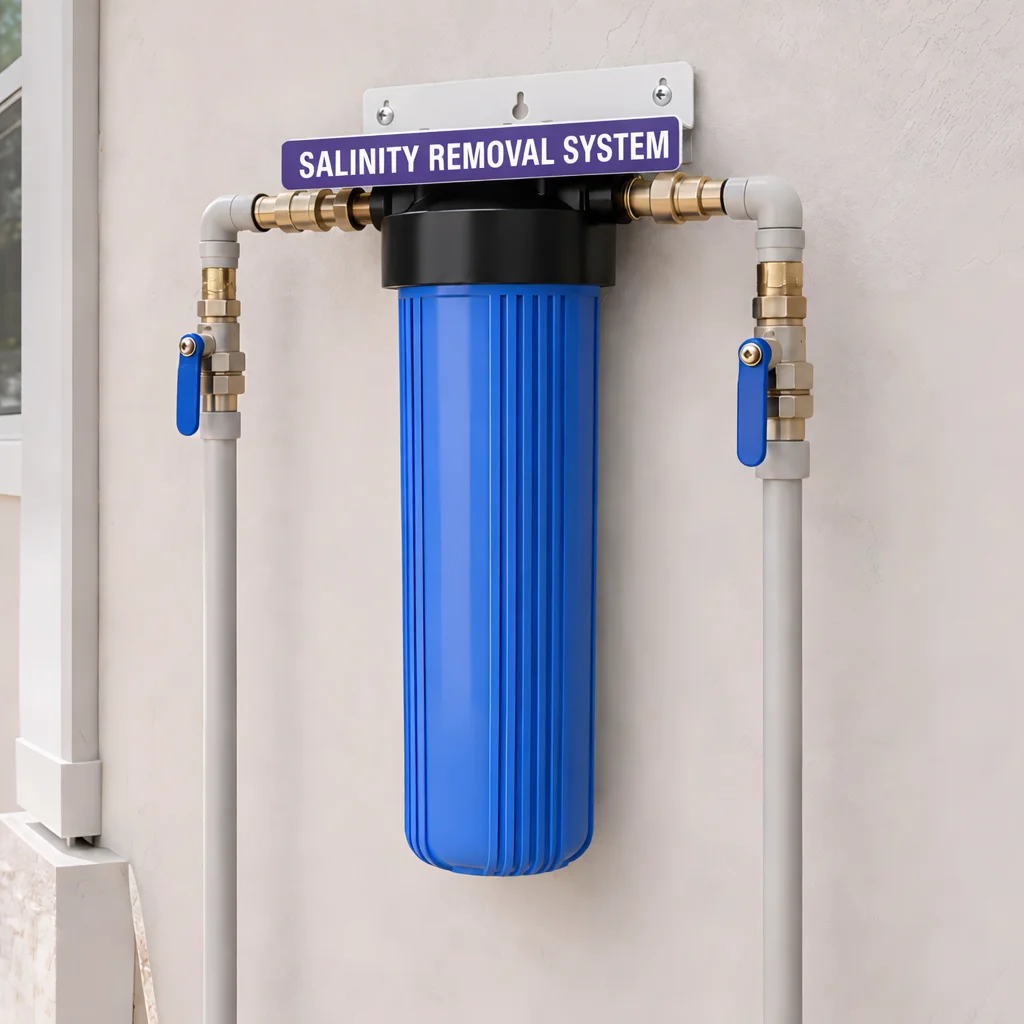
Reducing salinity requires removing dissolved ions, not just masking taste or odor. For most homes, a reverse osmosis system is the single-filter solution that actually lowers salt and overall TDS, using a semi-permeable membrane to reject dissolved salts. While carbon filters can improve flavor, they don’t meaningfully reduce salinity—so if less salty water is your aim in Christmas, RO is the logical first choice.
A whole-house reverse osmosis configuration treats water at the main entry so showers, laundry and every faucet benefit from reduced salinity. These installations pair the RO membrane with prefilters to guard against sediment and chlorine and include storage and delivery components to keep flow adequate for daily use. Since salinity and household demand vary—especially for well-dependent homes around Christmas—matching system size to your water and lifestyle matters; Mr. Pure Water can assess your situation and recommend the right whole-house RO setup.
 407-214-2646
 info@bestwaterheater.com

