 Phone: 850-772-1365
 info@bestwaterheater.com
Phone: 850-772-1365
info@bestwaterheater.com
info@bestwaterheater.com
Phone: 850-772-1365
info@bestwaterheater.com
 Phone: 850-772-1365
info@bestwaterheater.com
Phone: 850-772-1365
info@bestwaterheater.com

Including filter system and high-performance Salinity filter.


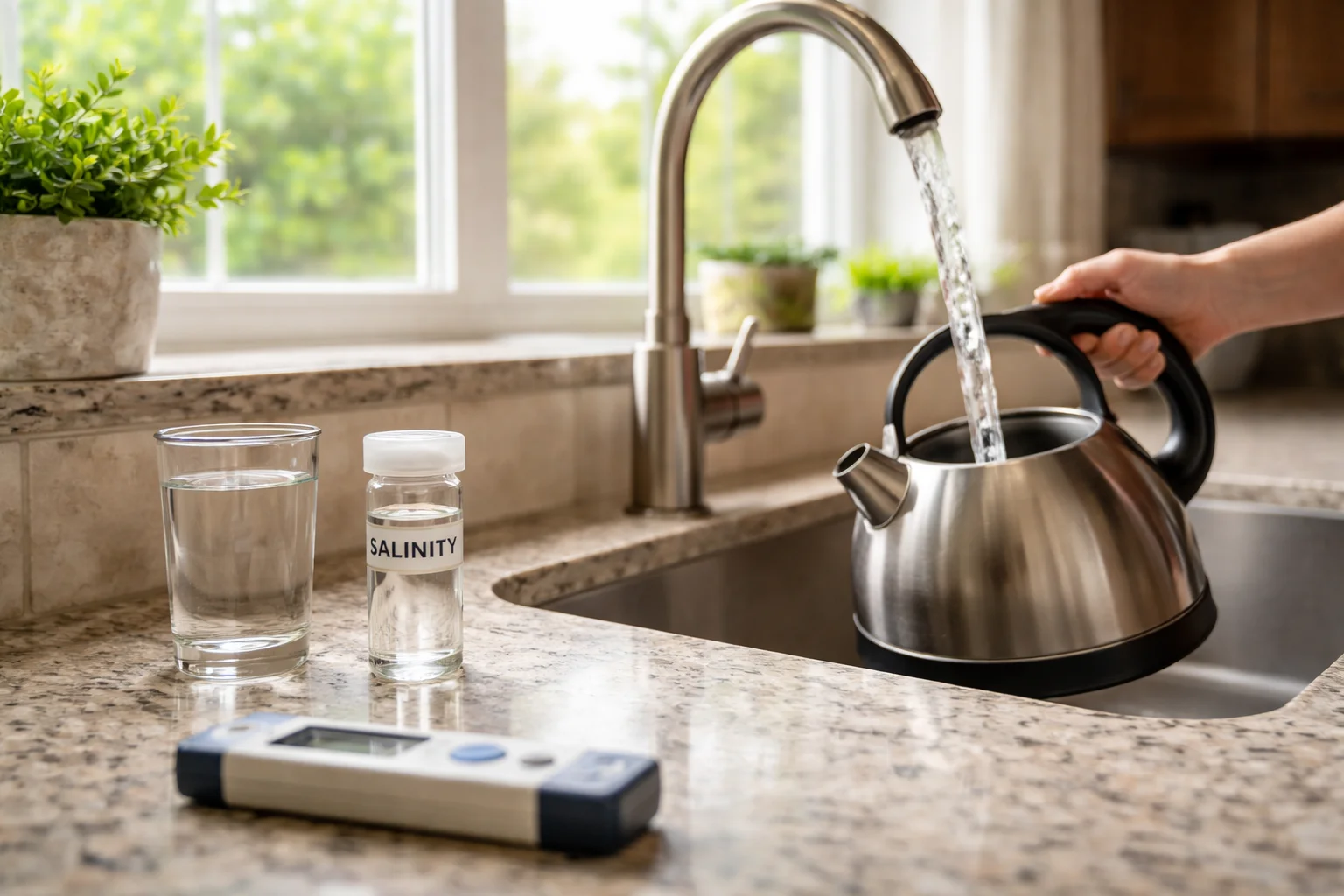
Salinity refers to how much dissolved salt is in your water, and when levels are higher you may notice a faintly salty or mineral taste. You might also see more spotting on glasses or find soap and shampoo don’t lather as well. Salty water can be intermittent—changing with season, source, or even between taps—so Fairfield homeowners sometimes only spot it in cooking and drinking water at first.
Higher salinity usually shows up as higher total dissolved solids (TDS), made up of sodium, chloride and other dissolved minerals. Those salts can come from natural sources or from blending different supplies, and over time saltier water can be hard on faucets and appliances and make it harder to get consistent, clean-tasting water at every Fairfield tap. If someone in your household needs to monitor sodium intake, it’s understandable to want clear information about what’s coming from the tap.
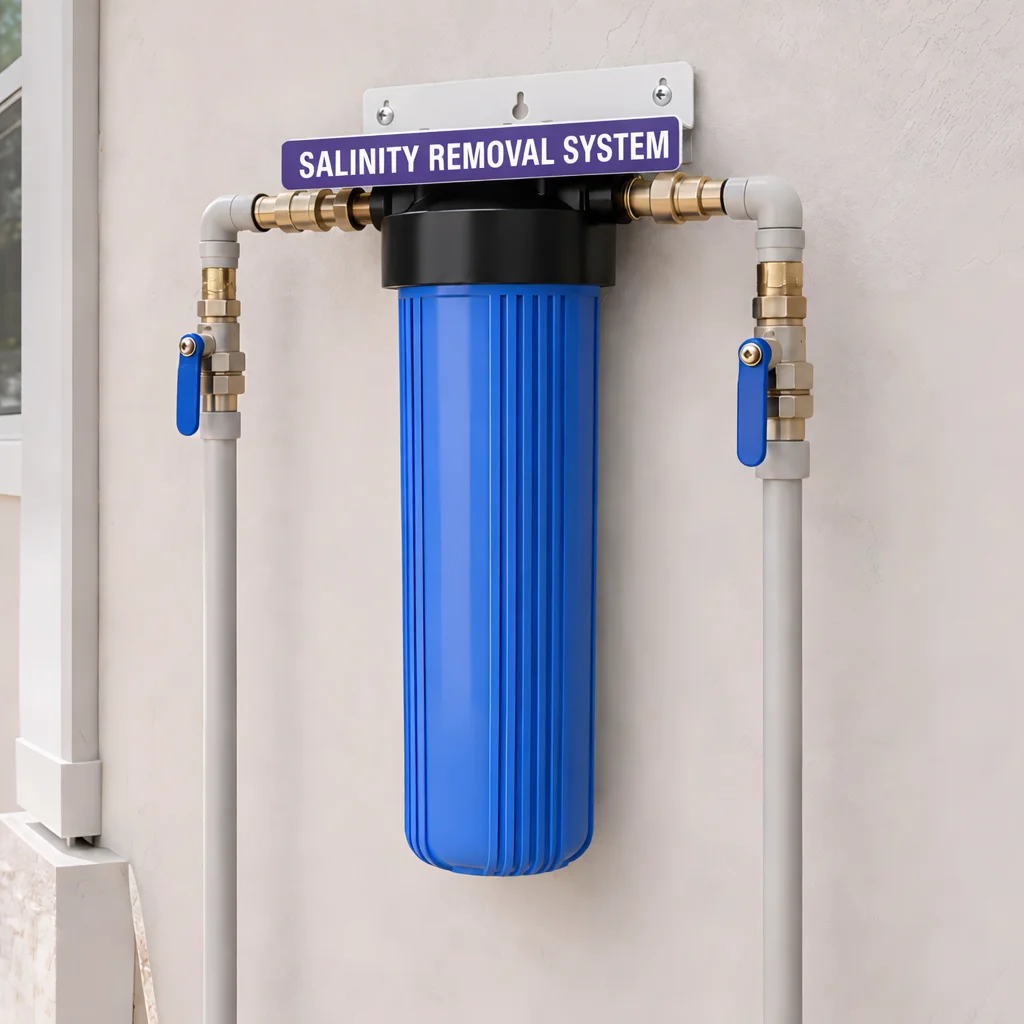
Reducing dissolved salts requires a technology that actually rejects ions instead of only improving taste. For most homes, reverse osmosis is the most effective single-filter choice for lowering salinity and overall TDS because its semi-permeable membrane blocks dissolved salts. A carbon filter may help flavor and odor but won’t meaningfully remove salt; when your priority is less salty water, a properly sized reverse osmosis system is the correct option.
A whole-house reverse osmosis arrangement treats water at the point it enters your Fairfield home so showers, laundry and every faucet benefit from reduced salinity. These installations normally include prefiltration to protect the RO membrane from sediment and chlorine and use storage and delivery components to maintain practical flow for daily use. Because salinity and household demand vary, matching capacity to your specific water and needs matters—Mr. Pure Water can assess your situation and recommend a clear plan for whole-house RO if it’s the right fit.
 850-772-1365
 info@bestwaterheater.com

