 Phone: 407-214-2646
 info@bestwaterheater.com
Phone: 407-214-2646
info@bestwaterheater.com
info@bestwaterheater.com
Phone: 407-214-2646
info@bestwaterheater.com
 Phone: 407-214-2646
info@bestwaterheater.com
Phone: 407-214-2646
info@bestwaterheater.com

Including filter system and high-performance Salinity filter.


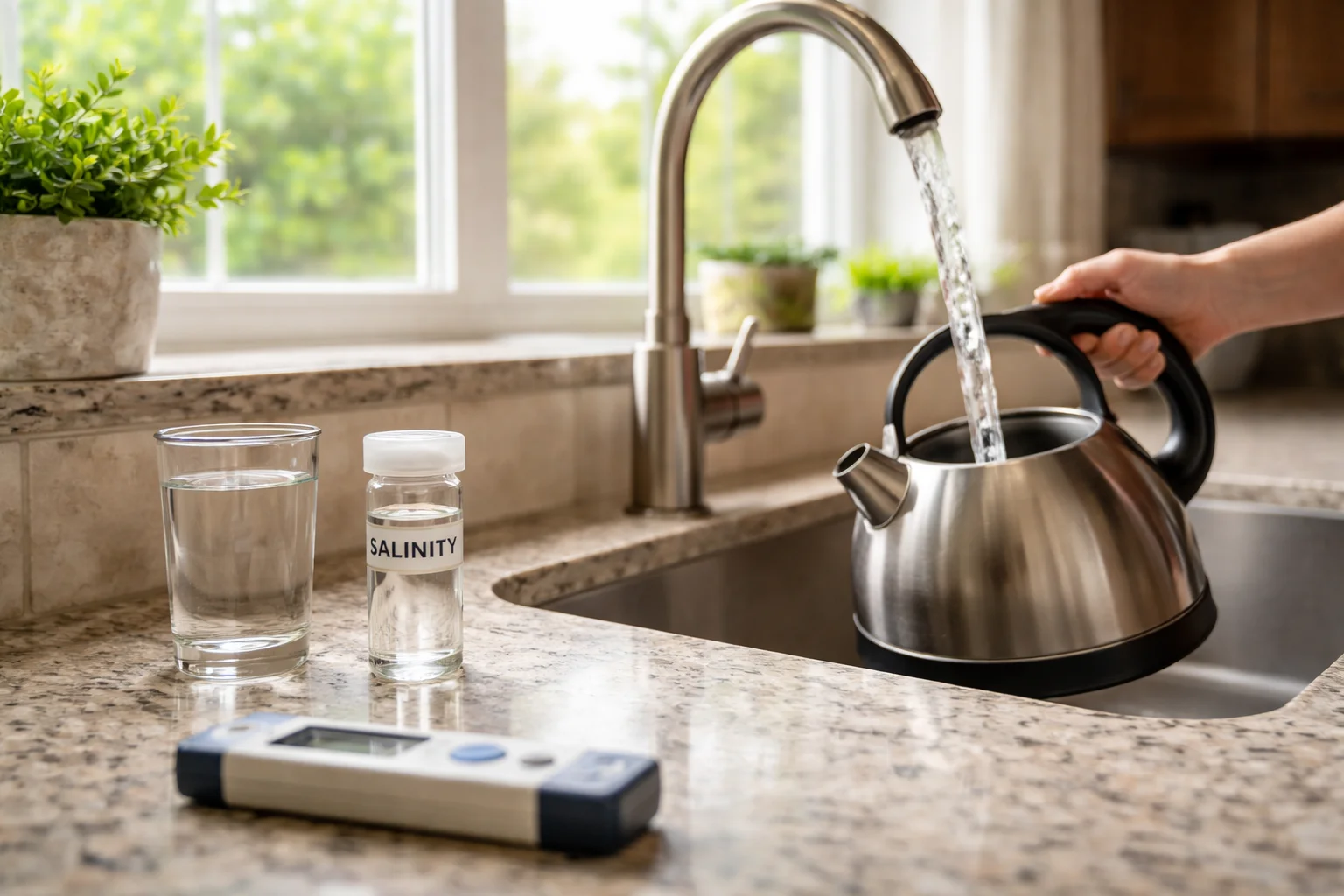
Salinity refers to the amount of dissolved salts in your water, and when levels are noticeable you’ll often detect a salty or mineral-like flavor. At home you might also see extra spotting on glassware or find soap and shampoo don’t lather as well. In Lock Arbor’s humid subtropical climate, homeowners sometimes report that the sensation of saltiness changes with source water or season, and it may be more obvious in drinking and cooking water than at other taps.
Salinity usually raises total dissolved solids (TDS) by adding ions like sodium and chloride to your water. Those dissolved salts can come from natural sources or from mixed supplies, and they make it harder for fixtures and appliances to stay clean and operate efficiently. In Lock Arbor, where homes may be on municipal systems or private wells, salt content can vary household to household — especially important if someone in your home follows a sodium-restricted diet.
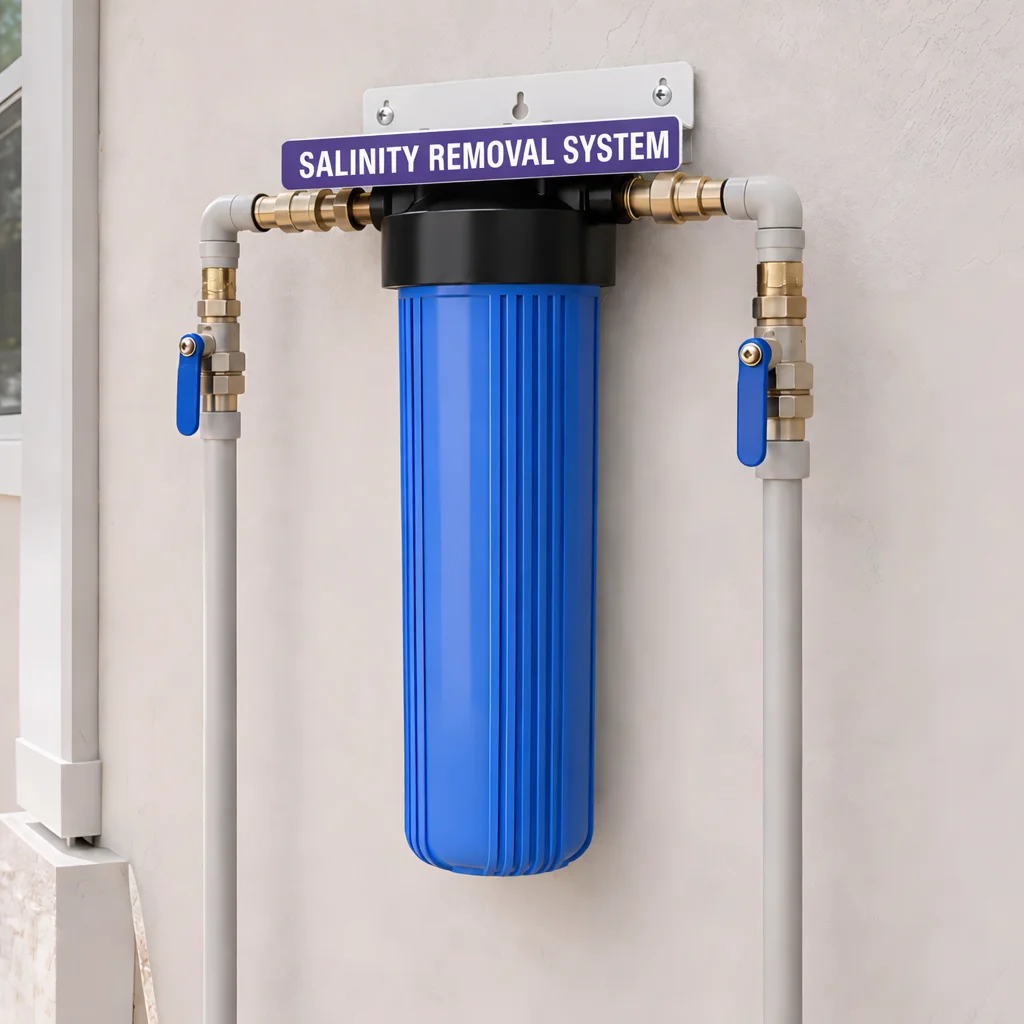
Reducing salinity requires a treatment that removes dissolved salts, not just masks taste. For most homes the single-filter technology that best lowers salt and overall TDS is reverse osmosis, which uses a semi-permeable membrane to reject dissolved ions. Activated carbon improves taste and odor but won’t meaningfully cut salinity; if your goal is noticeably less salty water, a properly sized reverse osmosis system is the appropriate choice.
A whole-house reverse osmosis installation treats water where it enters your Lock Arbor home so every faucet, shower and appliance benefits from lower salinity. These systems are usually paired with prefilters to protect the RO membrane from sediment and chlorine and include storage and delivery components so daily flow remains practical. Because salt levels and household demand differ, sizing the system to your water and family needs matters — Mr. Pure Water can assess your situation and recommend whether whole-house RO is the right path to reduce salty water throughout your home.
 407-214-2646
 info@bestwaterheater.com

