 Phone: 850-772-1365
 info@bestwaterheater.com
Phone: 850-772-1365
info@bestwaterheater.com
info@bestwaterheater.com
Phone: 850-772-1365
info@bestwaterheater.com
 Phone: 850-772-1365
info@bestwaterheater.com
Phone: 850-772-1365
info@bestwaterheater.com

Including filter system and high-performance Salinity filter.


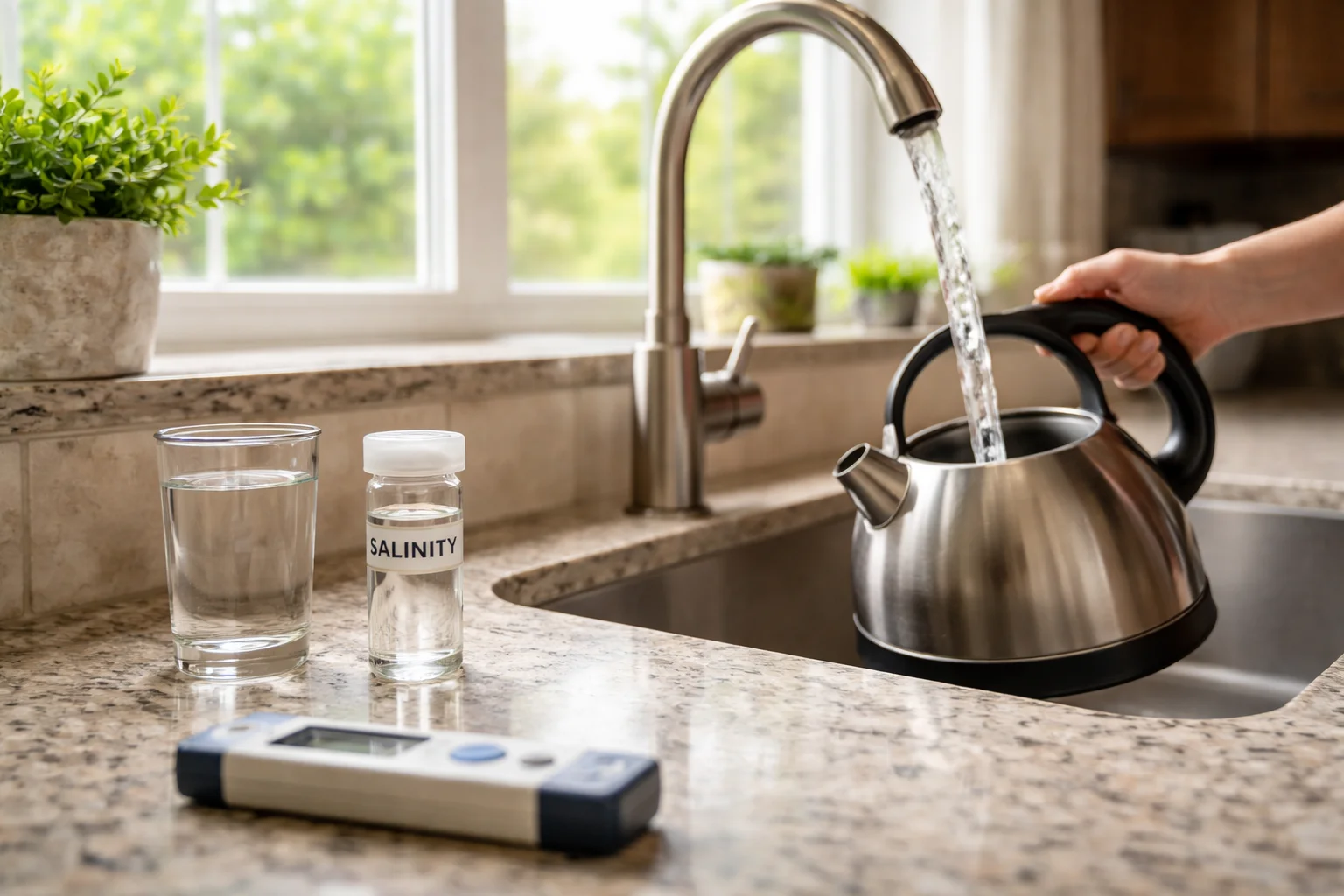
Salinity refers to dissolved salts in your household water, and when levels rise you’ll often notice a slightly salty or mineral flavor. You might also see more spotting on glassware or find soap doesn’t lather as well. Salinity can change with season, source, or even between taps, so it isn’t always obvious right away — many McIntyre homeowners first spot it in their drinking and cooking water.
Higher salinity usually shows up as higher total dissolved solids (TDS), a mix that can include sodium, chloride and other minerals. Those dissolved salts may be naturally present in source water or introduced when supplies blend, and besides flavor they can wear on fixtures and appliances over time. If you follow a sodium-restricted diet or want consistent, better-tasting water from every tap in McIntyre, it makes sense to understand and address dissolved salts.
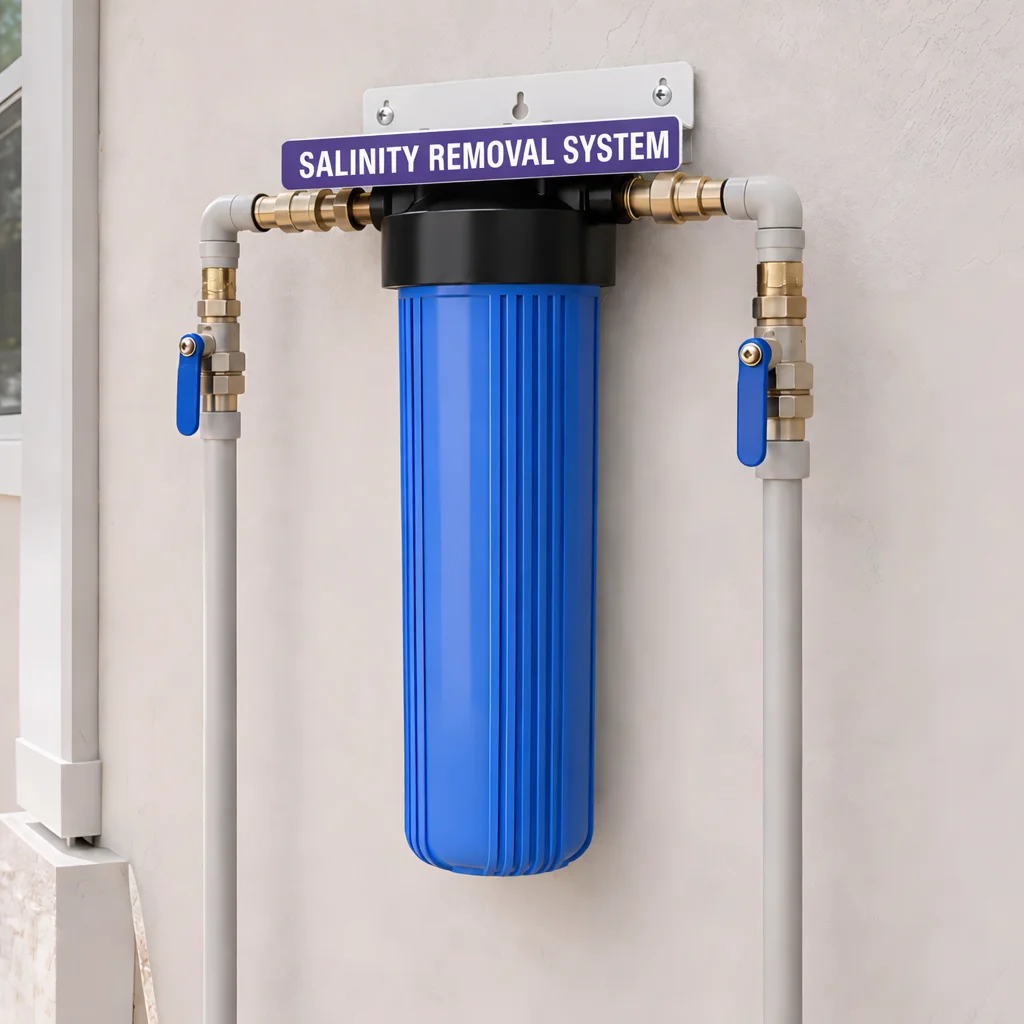
Reducing salinity requires a system that removes dissolved ions rather than just masking taste. For most homes, reverse osmosis is the single-filter solution that actually lowers salt and overall TDS by using a semi-permeable membrane to reject dissolved salts. While carbon filtration can improve flavor and odor, it does not significantly remove salinity—so when your aim is less salty water, a properly sized reverse osmosis system is the right place to start.
A whole-house reverse osmosis arrangement treats water where it enters your McIntyre home so showers, laundry and every faucet benefit from reduced salinity. These installations typically include prefiltration to protect the RO membrane from sediment and chlorine and a storage/delivery design to maintain practical flow for daily use. Because salinity and household demand vary, it’s important to size the system to your water profile and family needs—Mr. Pure Water can assess your situation and recommend a clear plan to lower salty water throughout your home.
 850-772-1365
 info@bestwaterheater.com

